
Login
Login
- Popular Categories
- Shop By Brand
- Tool Accessories
- Air Compressor
- Hand Tools
- Laser Levels
- Mechanical Workshop
- Pressure Washers
- Welding
- Chainsaws
- Lawn Mowers
- Whipper Snippers
- Categories
- Adhesives & Sealants
- Air Tools
- Diamond Tools
- Fans
- Fasteners
- Generators
- Ladders
- Lubricants & Chemicals
- Power Garden
- Safety Equipment
- Scaffold
- Silica Dust Solutions
- Storage
- Test - Measure - Locate
- Transportation & Lifting
- Vacuum & Dust Extractors
- Water Pumps
Electrical / Diamond Grit Hole Saw
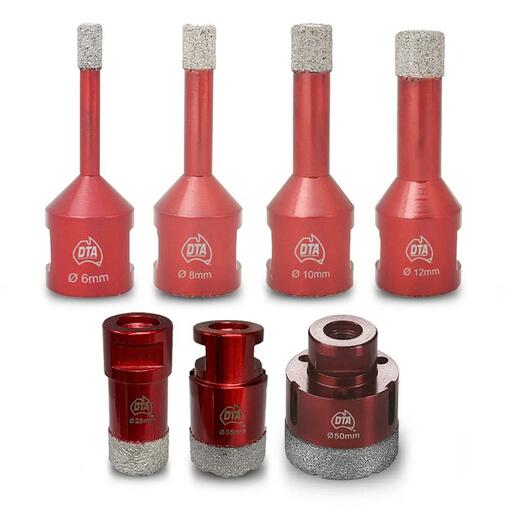
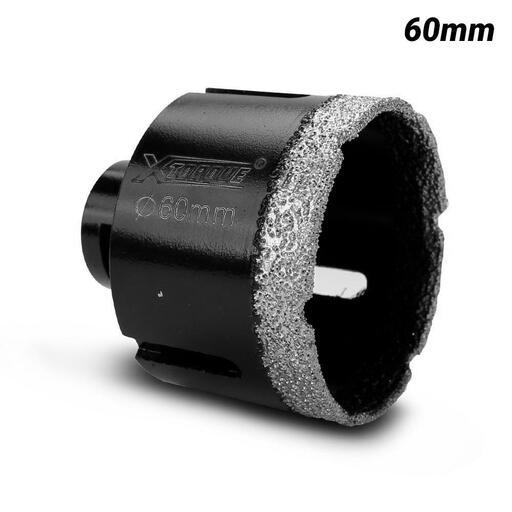
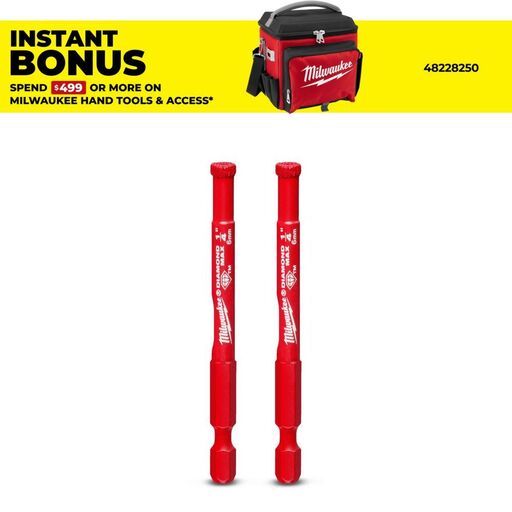
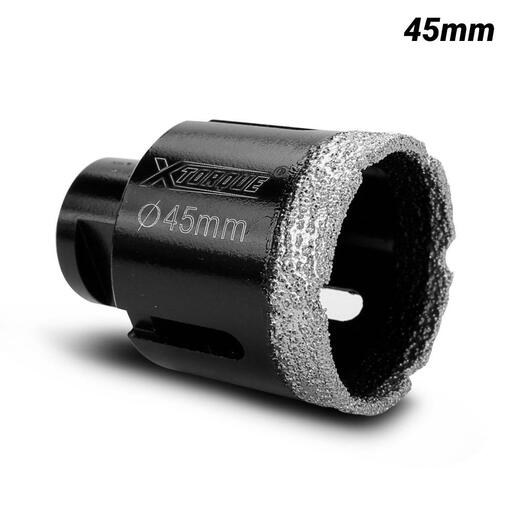
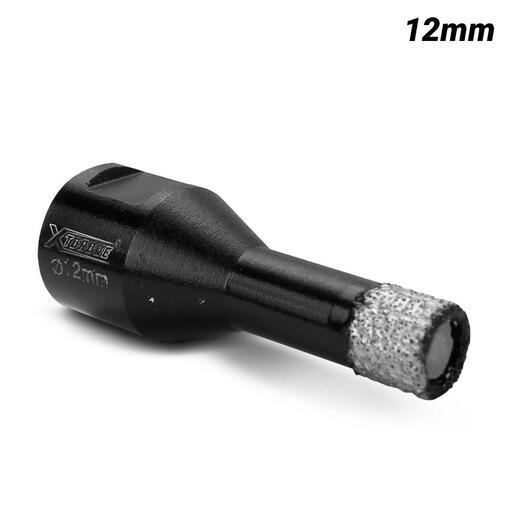
Diamond grit hole saws are made for drilling clean holes through hard, brittle materials that standard hole saws struggle to handle. Tile, porcelain, glass, marble, and stone all require a smoother cutting action to avoid cracking or chipping during drilling.
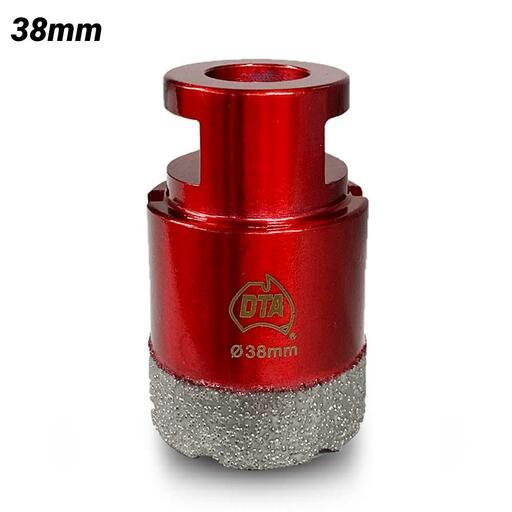
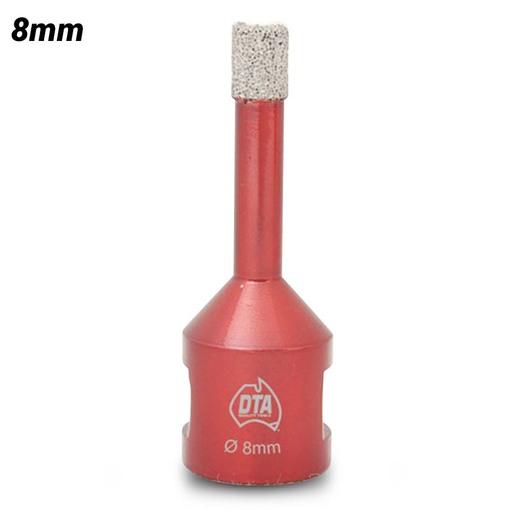
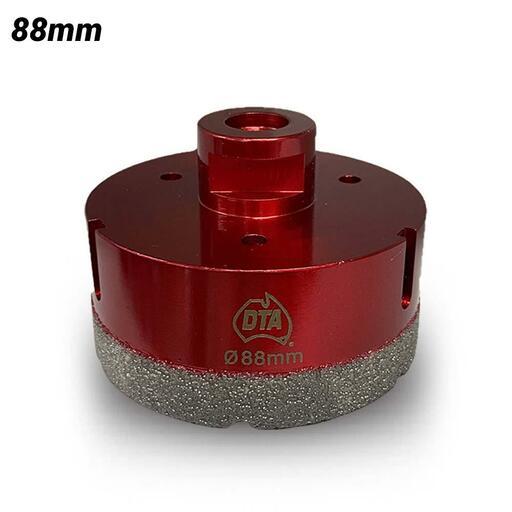
A quality diamond hole saw uses an abrasive diamond-coated edge rather than traditional teeth. This allows it to grind through dense surfaces with more control and less damage around the cut.
Whether installing pipework, fittings, cable access points, or fixtures, a ceramic hole saw helps create clean openings without putting unnecessary stress on the material.


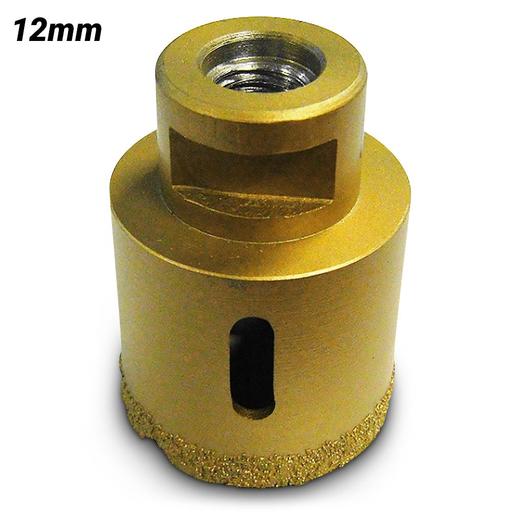


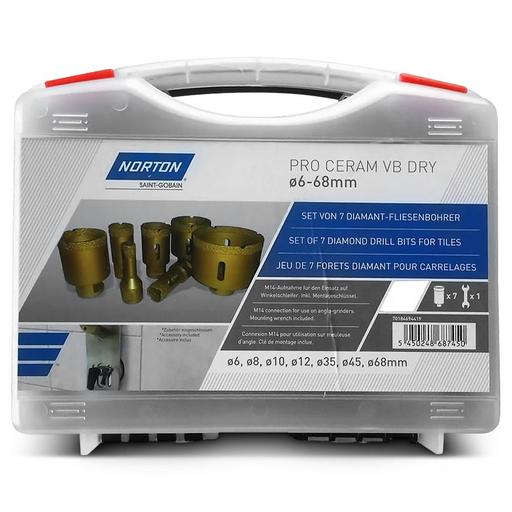
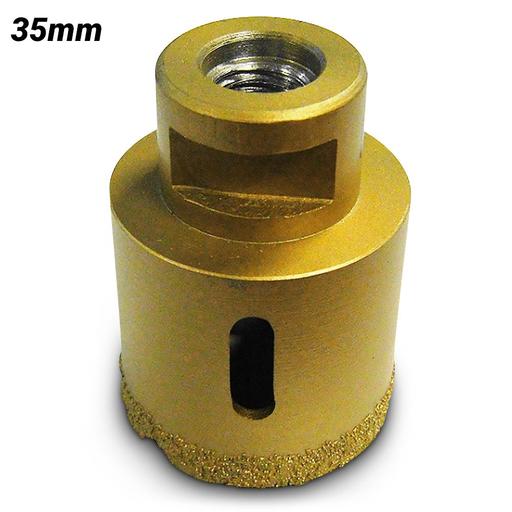
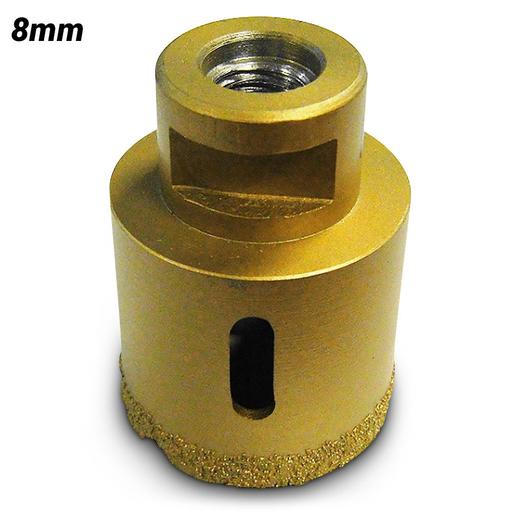
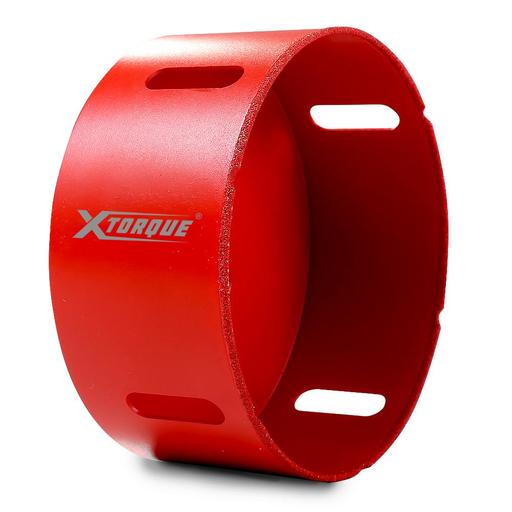
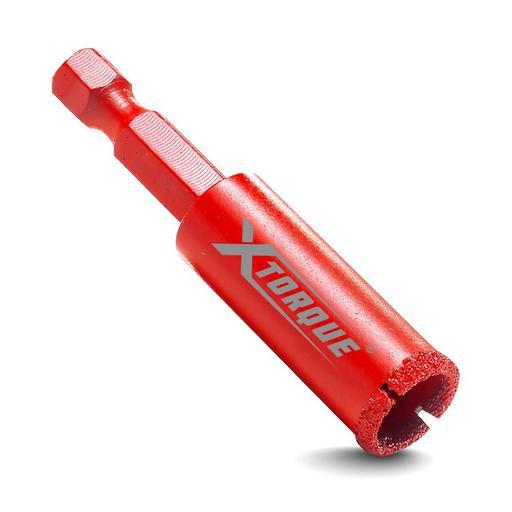


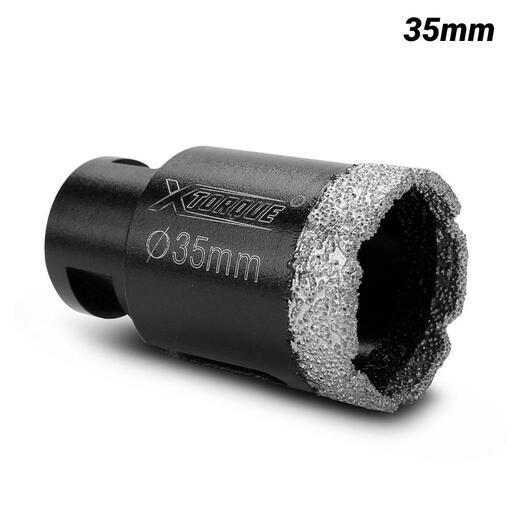

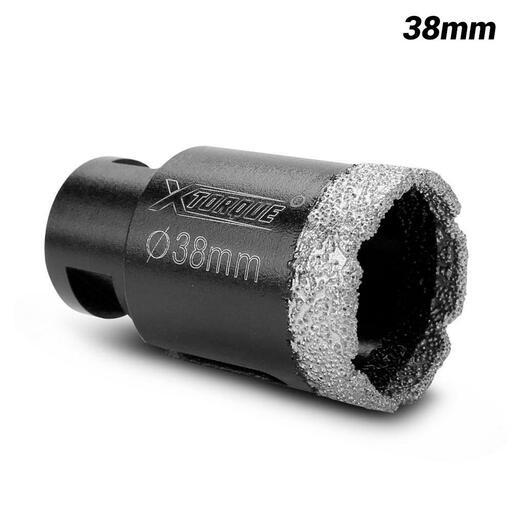

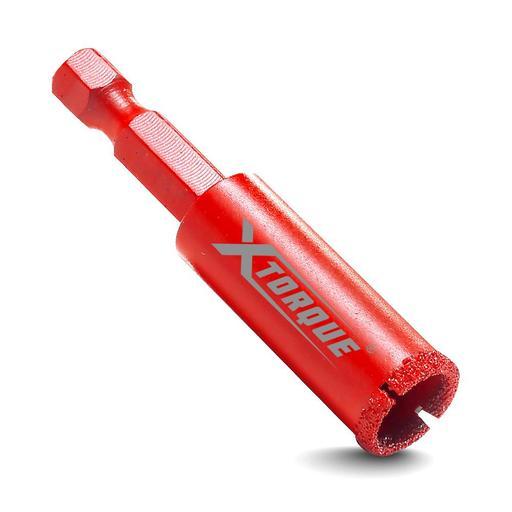
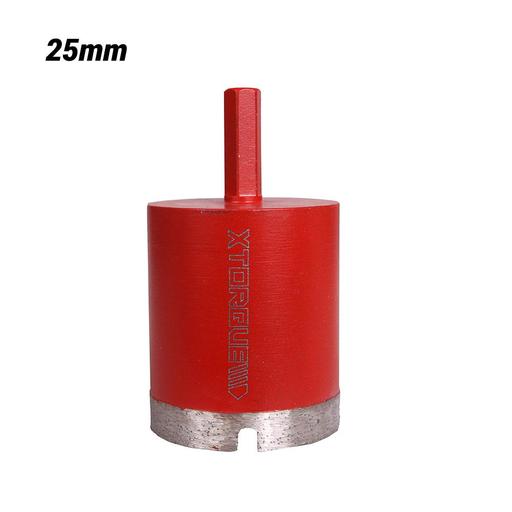
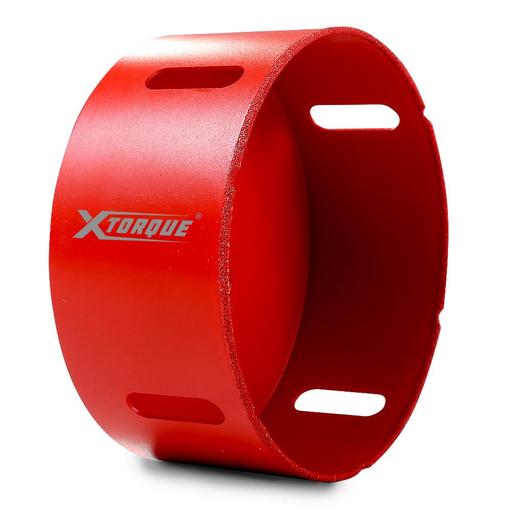


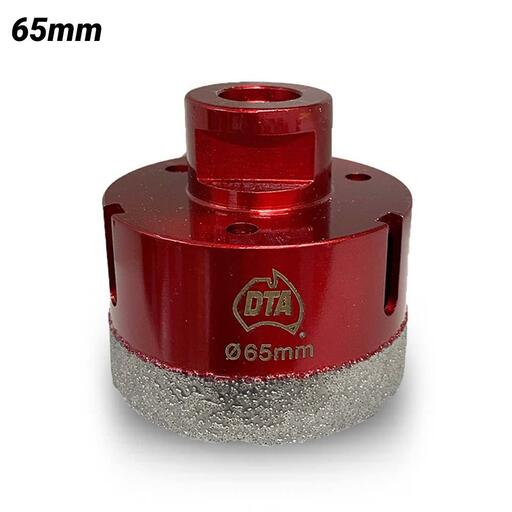


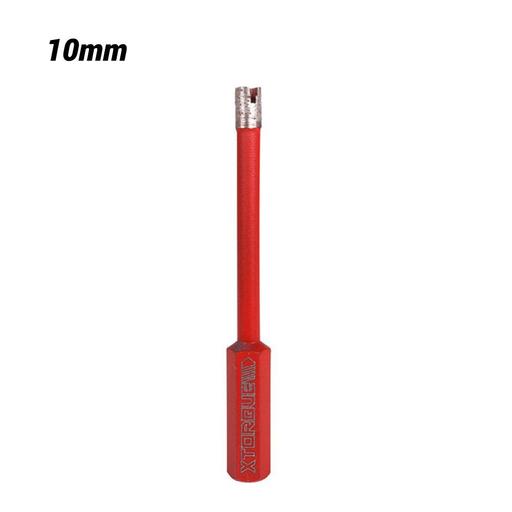


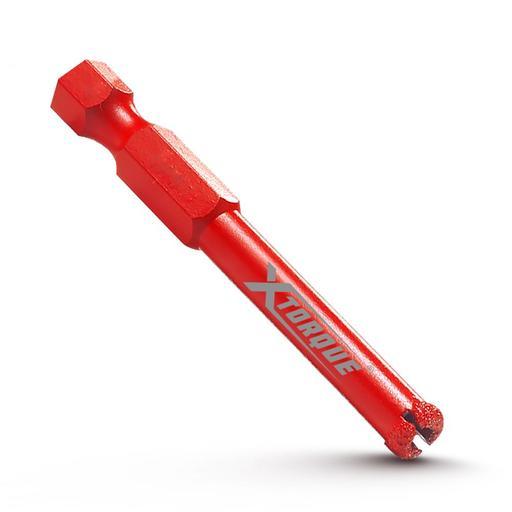
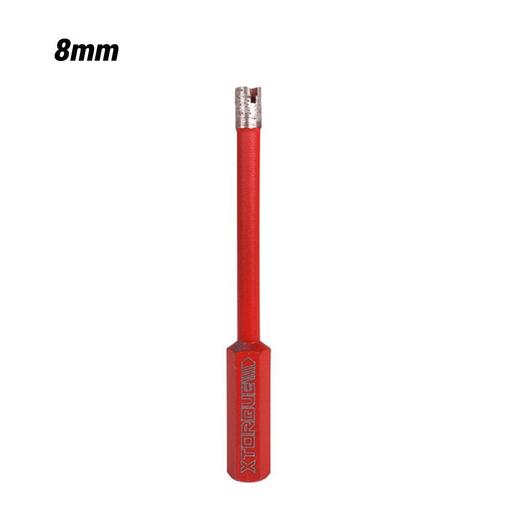

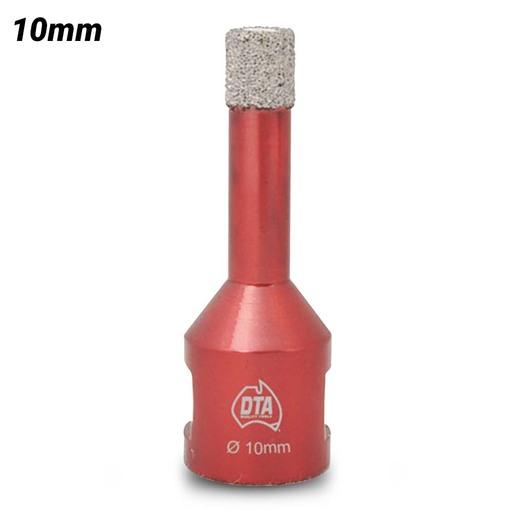



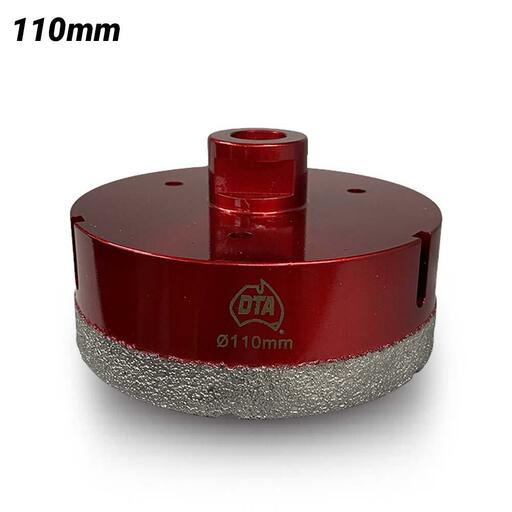
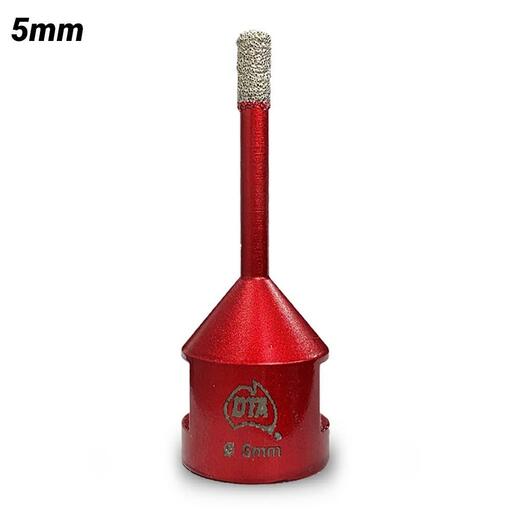
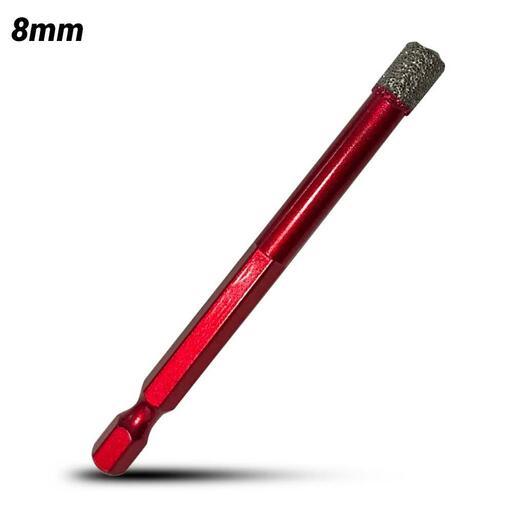
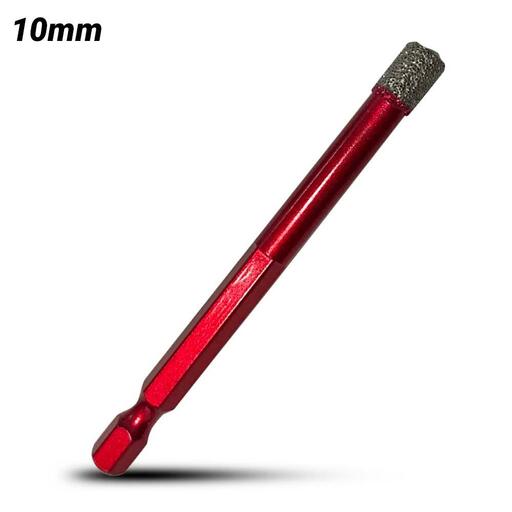
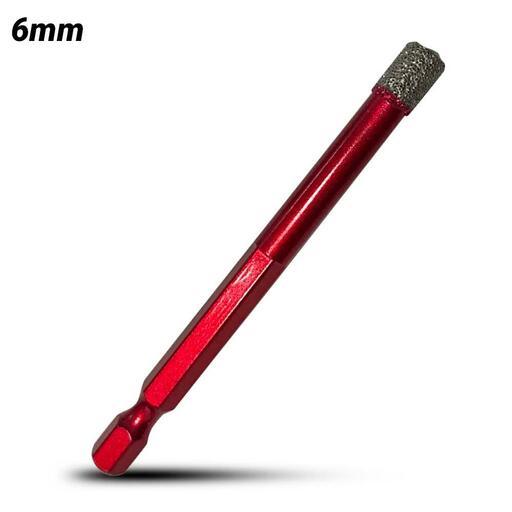

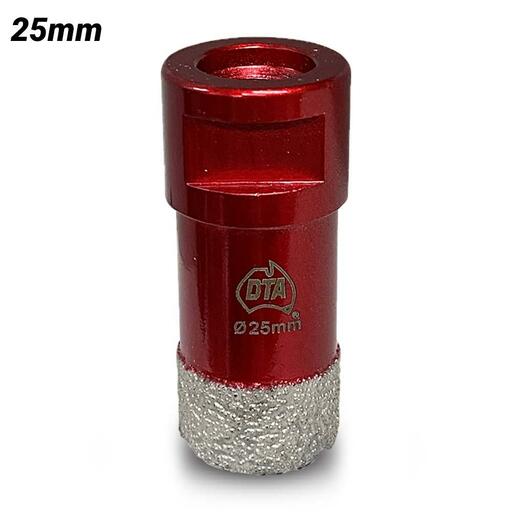


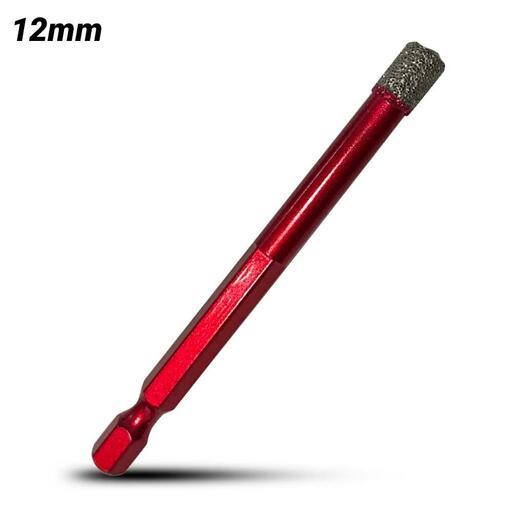

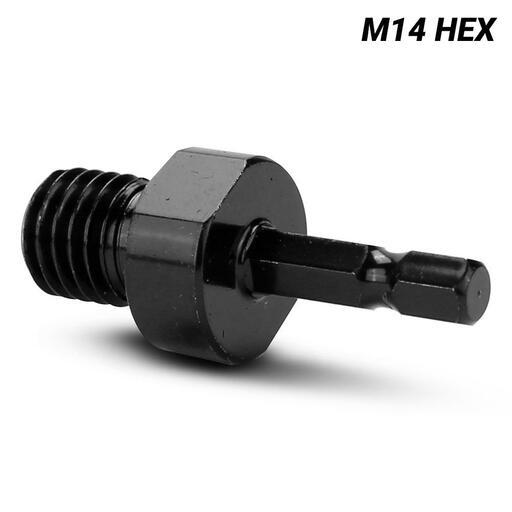

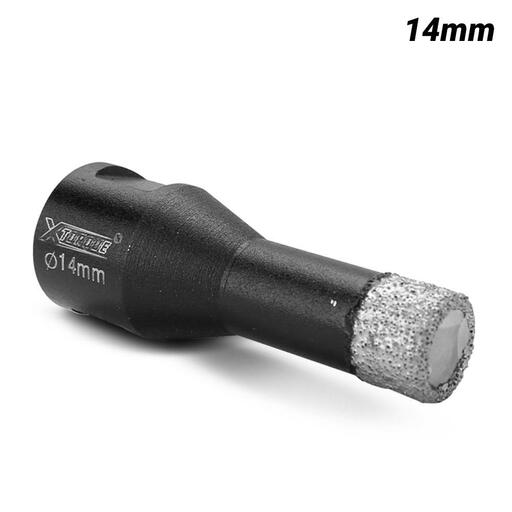


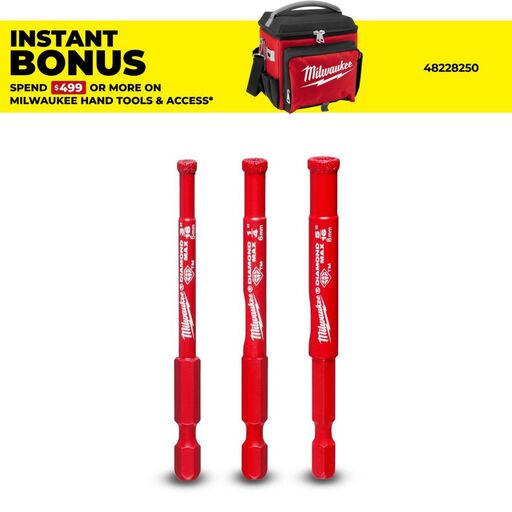

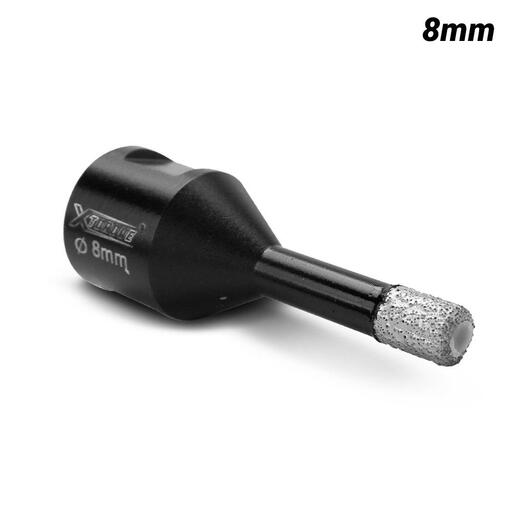

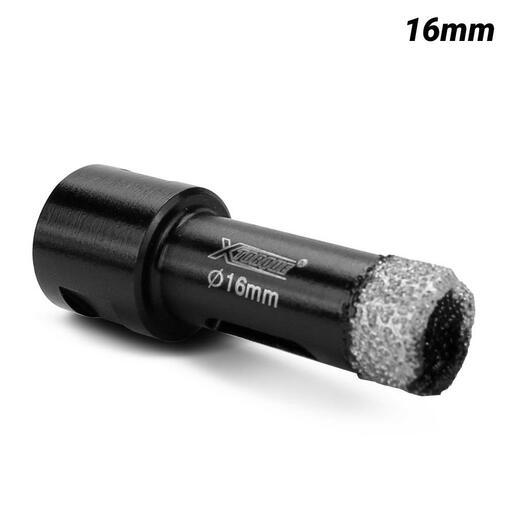
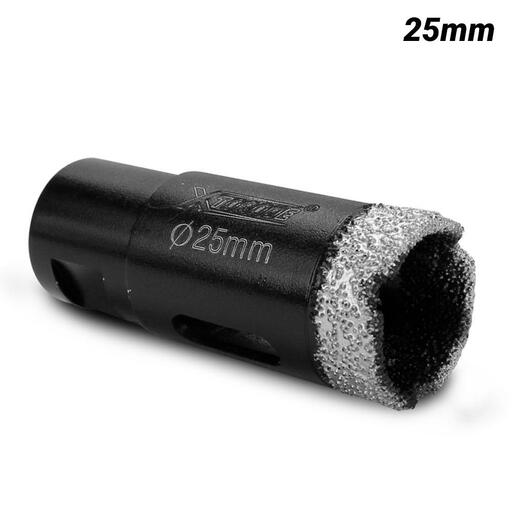


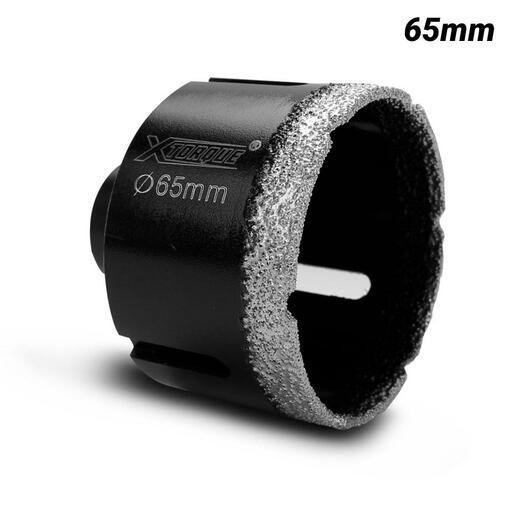
Clean Cutting for Tile, Glass, and Stone
Diamond grit hole saws are commonly used during bathroom fit-outs, kitchen installs, electrical work, and renovation jobs where delicate surfaces need to stay intact.
They are ideal for drilling through ceramic tiles, porcelain, granite, marble, and glass. Standard hole saws can crack these materials quickly, especially around edges. A diamond grit hole saw cuts more gradually, which helps keep the finish cleaner.
Smaller sizes are often used for plumbing penetrations and cable access, while larger sizes suit fittings, downlights, and pipework.
On site, these tools are regularly used alongside hole saws, hole saw sets, diamond core drill bits & sets, and M class vacuum cleaner dust extractors when managing dust and preparing surfaces.
Grit Design and Drilling Performance
The diamond-coated edge is what allows these hole saws to handle harder materials without aggressive cutting pressure.
Some models use wax-filled cores to help with cooling during dry drilling. Others are designed for wet cutting, where water helps reduce heat and extend the life of the grit coating.
A few things make a noticeable difference during drilling:
-
Correct drill speed
-
Steady pressure
-
Water cooling where needed
-
Stable drill positioning
-
Matching the saw to the material
Lower RPM generally gives better control, especially on tile and glass. Starting slowly also helps stop the bit wandering across smooth surfaces.
Most diamond hole saw options work with standard cordless drills, provided the drill speed stays controlled and hammer mode is turned off.
Hole Saw Care and Safe Use
A bit of care helps the grit stay effective for longer.
-
Keep speeds low and steady
-
Avoid hammer drilling
-
Use water cooling where possible
-
Let the grit do the cutting
-
Clean debris from the cutting edge
If the saw starts cutting slowly or generating extra heat, the diamond grit may be wearing down. Excess pressure usually shortens tool life and increases the chance of cracking the material.
For slippery surfaces like polished tile, starting the cut at a slight angle can help stop the saw moving before the groove begins to form.
Why Buy Diamond Grit Hole Saws from Sydney Tools
Sydney Tools stocks a practical range of diamond grit hole saw options suited to trade, renovation, and installation work. Whether you need a compact ceramic hole saw for tile work or larger sizes for plumbing and electrical access, there are options to suit different materials and applications.
You can expect:
-
A strong range of diamond hole saw sizes
-
Options for tile, glass, stone, and masonry
-
Hole saws suited to wet and dry drilling
-
Competitive pricing online and in store
-
Helpful advice from knowledgeable staff
With the right setup, drilling through hard surfaces becomes cleaner, safer, and easier to control.
FAQs
When should I use diamond grit instead of bi-metal?
Tile, porcelain, glass, granite, marble and other brittle materials typically require diamond grit cutting.
Can wax filled cores be used for repeated dry cutting?
Yes, wax filled cores will aid heat management for lighter dry drilling applications.
How do I start a cut on a slippery tile without a pilot bit?
Begin at a slight angle, slowly increasing speed until the groove starts to form.
What speed should I use with a 20mm diamond hole saw?
Lower speeds will generally give you better control and less heat build up.
Will these work with a regular cordless drill?
Yes, most regular cordless drills will work.
How does water cooling extend the life of a hole saw?
Water greatly reduces heat, which will extend grit life many times over.
Can I use these on toughened glass?
Will depend on the glass and product specifications.
Will these work on granite and marble?
Yes, many of these are specifically made for natural stone work.
Find the Right Diamond Hole Saw Today
Cut clean holes through tile, stone, and masonry with more control. Browse the range online or visit your nearest Sydney Tools store for practical advice and dependable drilling solutions.


