
Login
Login
- Popular Categories
- Shop By Brand
- Tool Accessories
- Air Compressor
- Hand Tools
- Laser Levels
- Mechanical Workshop
- Pressure Washers
- Welding
- Chainsaws
- Lawn Mowers
- Whipper Snippers
- Categories
- Adhesives & Sealants
- Air Tools
- Diamond Tools
- Fans
- Fasteners
- Generators
- Ladders
- Lubricants & Chemicals
- Power Garden
- Safety Equipment
- Scaffold
- Silica Dust Solutions
- Storage
- Test - Measure - Locate
- Transportation & Lifting
- Vacuum & Dust Extractors
- Water Pumps
Electrical / Carpenter Pencils & Sharpeners
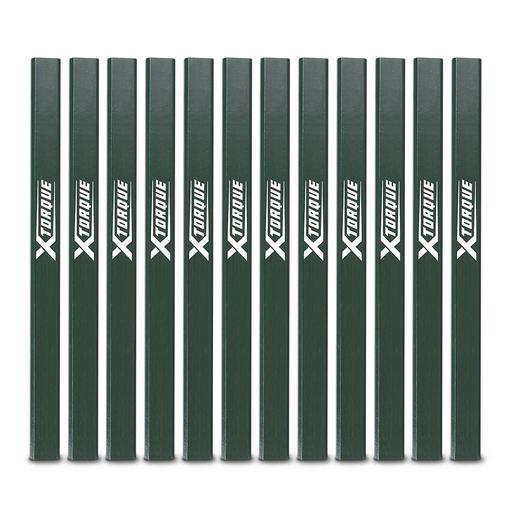
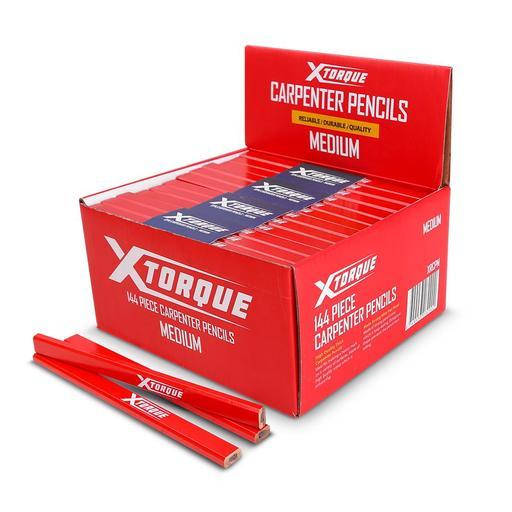
A carpenter pencil is made for the kind of marking work that standard pencils cannot handle. On site, you are often working on rough timber, concrete, or steel. You need a mark that shows up clearly and stays put while you cut or fit.
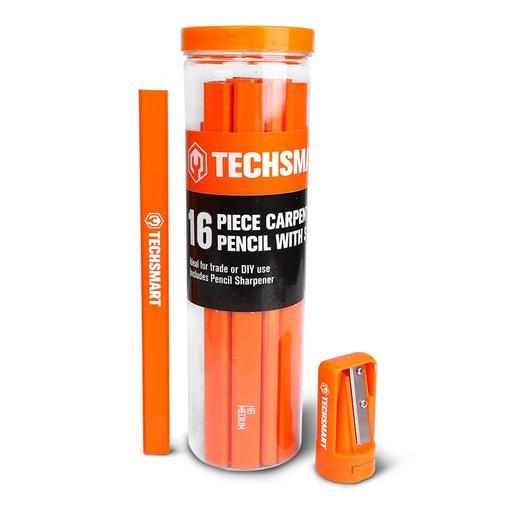
The flat shape is what makes it practical. It will not roll off a bench or roof, and it gives you better control when marking. You can use the edge for a finer line or lay it flatter for something more visible. A carpenter pencil sharpener is built around that shape, so you get a clean, usable tip without wasting time.
These are simple tools, but they are relied on every day because they just work.



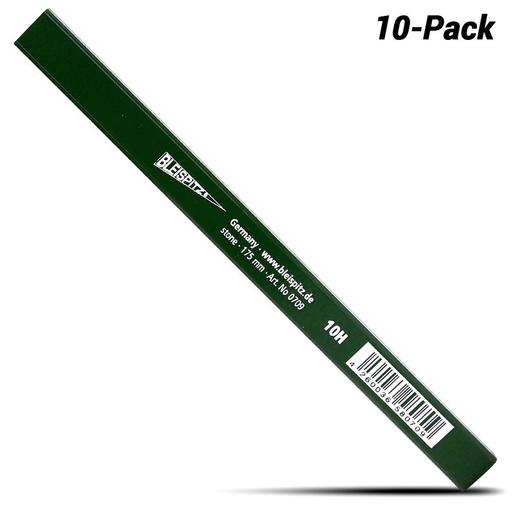


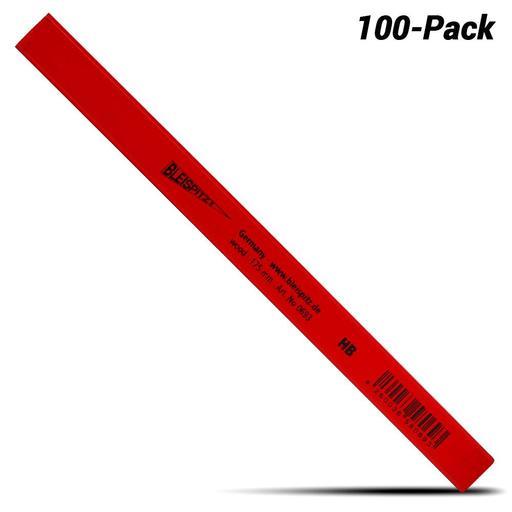


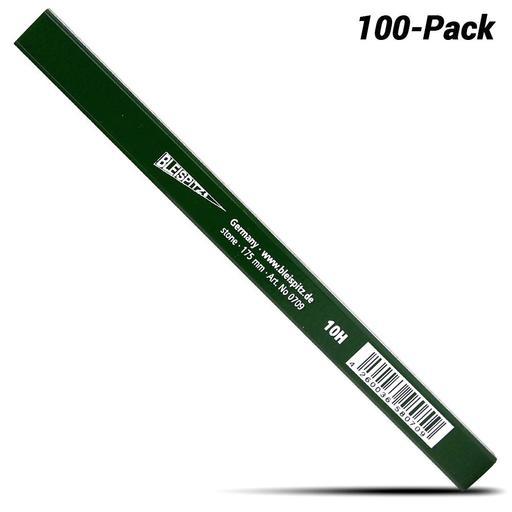
Precision Marking in Framing and Masonry
Clear marking saves rework. A carpenter pencil is used across framing, roofing, and flooring jobs where lines need to stay visible from start to finish.
On timber, it leaves a strong line that does not fade as you handle the piece. On brick or cement sheeting, it marks where standard pencils struggle to leave anything useful. The lead is tough enough to handle pressure, which helps when you are working on uneven or slightly damp surfaces.
Outdoors, it holds up well in dust, wind, and changing conditions. You can mark once and trust it will still be there when you come back to cut.
They are commonly used alongside rulers, combination square, rafter squares, and engineers square when setting out and checking alignment.
Lead Hardness and Sharpener Geometry
The type of lead matters more than most people expect.
Softer leads leave a heavier mark and suit rough surfaces. Harder leads give a cleaner, finer line on smoother materials. A medium lead sits in the middle and works well for general jobs.
The flat body gives you a steady grip and lets you vary line thickness depending on how you hold it. That control makes a difference when you are working through detailed layout.
A carpenter pencil sharpener shapes the tip into a chisel rather than a point. That shape helps keep lines consistent, especially when you are repeating measurements or working through joinery.
Tip Preservation and Tool Maintenance
A sharp tip makes marking quicker and more accurate. Using the right carpenter pencil sharpener helps avoid splitting the timber casing or snapping the lead.
-
Use a sharpener made for flat pencils
-
Keep the blade clean and sharp
-
Avoid forcing the pencil during sharpening
-
Store pencils somewhere dry
-
Check for internal breaks before use
Moisture can affect the body over time, so it is worth keeping them out of damp toolboxes. A sharp blade also helps produce a cleaner edge and reduces wasted material.
Why Buy Carpenter Pencils & Sharpeners from Sydney Tools
Sydney Tools stocks a practical range of carpenter pencil options along with matching sharpeners. The range covers everyday marking through to more detailed layout work.
You can expect:
-
A solid range of carpenter pencils
-
Sharpeners that suit the correct profile
-
Options for different marking tasks
-
Competitive pricing online and in store
-
Helpful advice when you need it
With the right pencil and sharpener, marking becomes quicker and easier to get right.
FAQs
Why is the rectangular shape preferred over a round pencil?
It will not roll and gives better control when marking.
What lead grade is best for marking wet or treated timber?
Softer lead usually shows up better on damp or rough surfaces.
Can these sharpeners be used for standard round or hexagonal pencils?
They are designed for flat pencils, so they are not ideal for round ones.
How do I choose between red, green, or blue lead varieties?
It depends on contrast with the surface you are marking.
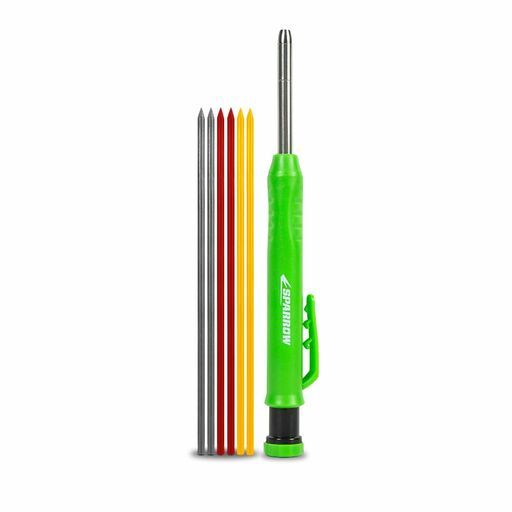
Are there mechanical versions available for more precise cabinet work?
Yes, some designs suit finer layout tasks.
Can the sharpeners be mounted to a workbench for one-handed use?
Some models allow for fixed mounting.
Is the lead in carpenter pencils compatible with non-porous metal surfaces?
It can mark metal, though visibility depends on the finish.
How does a medium lead perform on concrete compared to a hard lead?
Medium gives better visibility, while hard gives a finer line.
Are there specific clips available to secure pencils to a tool belt?
Yes, holders and clips are available.
What is the benefit of a sharpener with an integrated emery board?
It helps refine the tip for cleaner marking.
Find the Right Carpenter Pencil Today
Get clear, reliable marks every time. Browse the range online or visit your nearest Sydney Tools store for practical advice and dependable marking tools.


