
Login
Login
- Popular Categories
- Shop By Brand
- Tool Accessories
- Air Compressor
- Hand Tools
- Laser Levels
- Mechanical Workshop
- Pressure Washers
- Welding
- Chainsaws
- Lawn Mowers
- Whipper Snippers
- Categories
- Adhesives & Sealants
- Air Tools
- Diamond Tools
- Fans
- Fasteners
- Generators
- Ladders
- Lubricants & Chemicals
- Power Garden
- Safety Equipment
- Scaffold
- Silica Dust Solutions
- Storage
- Test - Measure - Locate
- Transportation & Lifting
- Vacuum & Dust Extractors
- Water Pumps
Electrical / Air Quality
Air quality tools is a device that monitor and measure, assess and track environmental conditions such as particulate matter, volatile organic compounds (VOCs), temperature and humidity in indoor and outdoor settings. These equipment help technicians, facility managers and homeowners understand air quality levels to support healthier, safer environments.

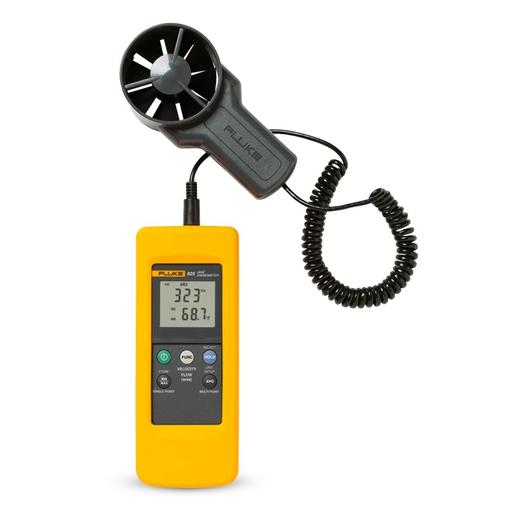


Typical Situations Where Air Quality Instruments Are Used
Air quality testers are used when technicians need to assess ventilation effectiveness, detect elevated pollutants, verify indoor environmental conditions, or monitor spaces where sensitive equipment or occupant health may be affected.These devices support inspection and maintenance tasks across residential, commercial and industrial environments.
Key Functional and Performance Attributes
When selecting an air quality meter, consider these key functional and performance attributes to ensure professional-grade results:
- Sensor Types: Particular matters such as PM2.5 which is critical for health, while PM10 captures large dust.
- Gas Detection: NDIR (Non-dispersive infrared) is best for CO₂ measurements as it is stable and accurate. While MOS (metal Oxide Semiconductor) is common for VOCs, less specific but ideal for general air quality trends.
- Data Logging: A professional air quality measurement tool often includes built-in memory for historical tracking and export options (CSV or dashboard) for comprehensive reporting.
- Display: Colour coded indicators, with a clear screen with real time reading and simple navigation for quick interpretation.
- Portability: handheld units that offer battery life making them extremely portable.
- Robust Construction: rugged housing and dust/moisture protection to handle tough conditions and regular use.
Safe Use and Ongoing Care Practices
- Selecting the Right Device: Choosing a monitor with the appropriate sensor suit and measurement range for the desired application.
- Positioning: Place the device where airflow is representative of the breathing zone.
- Avoid Environmental Damage: do not expose to excessive moisture or water and avoid heavy dust beyond design limits.
- Cleaning: Keep sensor clean buy using soft brushes or low pressure air
- Storage: keep in a protective case in a dry environment away from contaminants.
- Replacements: Be aware of lifespans for both batteries and sensors.
- Follow manufacturer: Follow guidelines to maintain reliable performance.
Why Buy Air Quality Tools from Sydney Tools
At Sydney Tools we offer a range of air quality measurement tools and monitors suited to environment assessment, workplace safety and indoor air diagnostics. Additionally to assist in any dust management see our L Class Vacuum Cleaner Dust Extractors or even H Class Vacuum Cleaner Dust Extractors, to help contain air quality. With competitive pricing and access to in-store and online support to help customers choose the right instrument for effective air quality tracking.
Frequently Asked Questions (FAQs)
What pollutants or parameters can different air quality tools detect (e.g., particulate matter, CO₂, VOCs)?
Most devices measure particulate matter (PM2.5, PM10), CO₂, VOCs, and gases like CO, with many also tracking temperature and humidity for context.
How do sensor technologies influence accuracy and response time in air quality monitors?
Different sensors vary in accuracy and speed. NDIR (CO₂) is stable, electrochemical (gases) is precise but needs calibration, and optical (PM) provides fast real-time readings.
Can air quality measurements be affected by airflow patterns or obstructions in a room?
Yes. Airflow, vents, and obstructions can skew results. Position monitors in a representative, well-mixed area of the room.
What calibration or validation procedures help ensure long-term measurement reliability?
Regular calibration, zero checks, and occasional comparison with reference instruments help prevent sensor drift.
How do environmental conditions like humidity and temperature impact sensor performance?
Yes. High humidity and temperature extremes can affect sensor response, even with built-in compensation.
Are there regulatory thresholds or guidelines that air quality tools help verify?
Yes. They help check against guidelines such as PM limits, CO exposure levels, and indoor CO₂ benchmarks under WHS and health standards.
What differences exist between handheld and fixed air quality monitoring solutions?
Handheld units are portable for spot checks, while fixed systems provide continuous monitoring and long-term data.
How should logged air quality data be exported or interpreted for reporting purposes?
Export data via USB or apps and focus on trends and peak events, comparing results to relevant limits.
What maintenance steps protect sensitive sensors from contamination or drift?
Keep inlets clean, store properly, replace filters or sensors as needed, and follow calibration schedules.
Can air quality tools support compliance checks for workplace health and safety standards?
Yes. They help verify exposure levels, assess controls like ventilation or H Class extractors, and support WHS compliance reporting.
Find the Right Air Quality Meter Today
Take control of your environment with professional-grade diagnostic power. Browse our full range of air quality tools online or visit your nearest Sydney Tools store locations to experience a high-fidelity air quality tester in person.


