
Login
Login
- Popular Categories
- Shop By Brand
- Tool Accessories
- Air Compressor
- Hand Tools
- Laser Levels
- Mechanical Workshop
- Pressure Washers
- Welding
- Chainsaws
- Lawn Mowers
- Whipper Snippers
- Categories
- Adhesives & Sealants
- Air Tools
- Diamond Tools
- Fans
- Fasteners
- Generators
- Ladders
- Lubricants & Chemicals
- Power Garden
- Safety Equipment
- Scaffold
- Silica Dust Solutions
- Storage
- Test - Measure - Locate
- Transportation & Lifting
- Vacuum & Dust Extractors
- Water Pumps
Diamond Tools / Diamond Blades
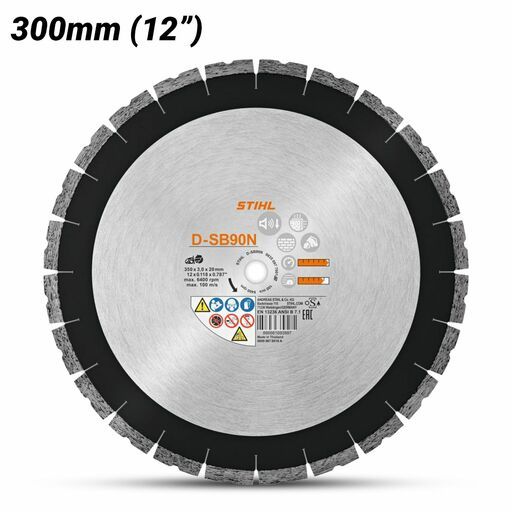
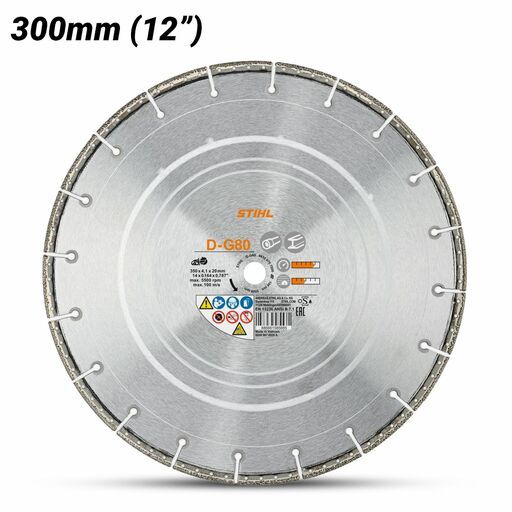
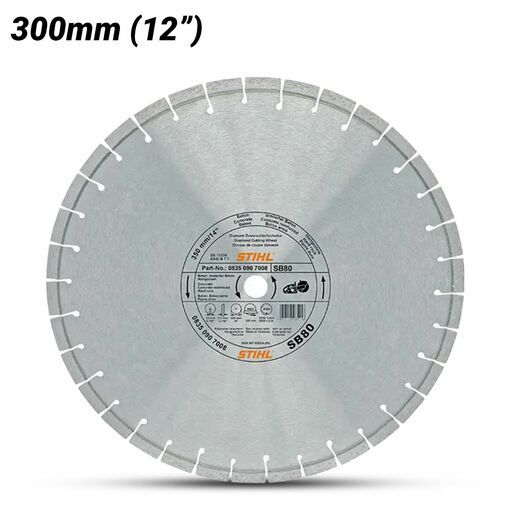
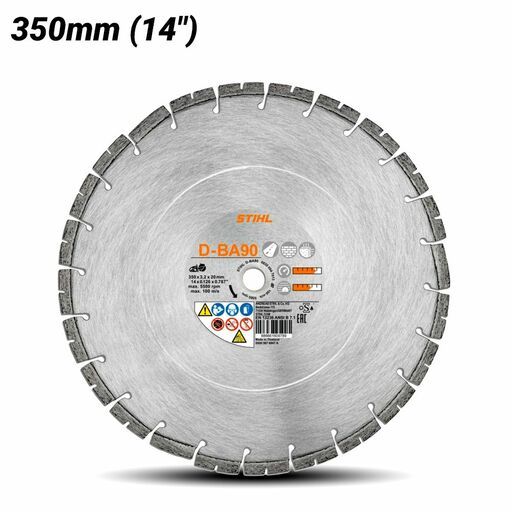
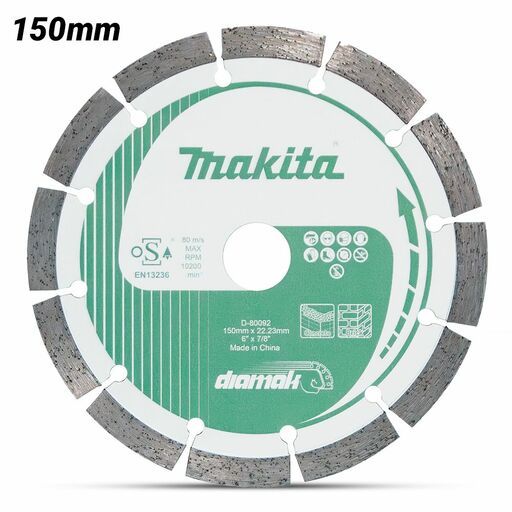
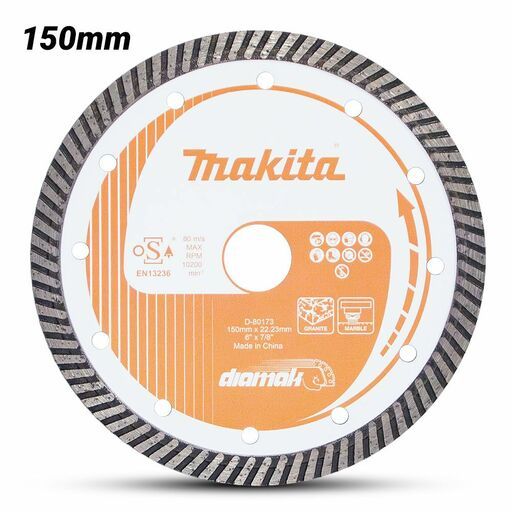
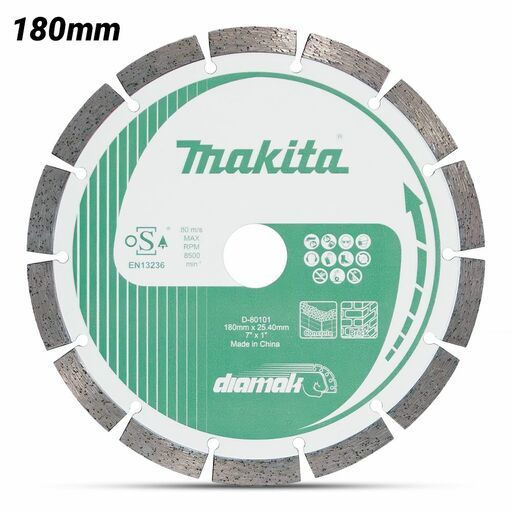
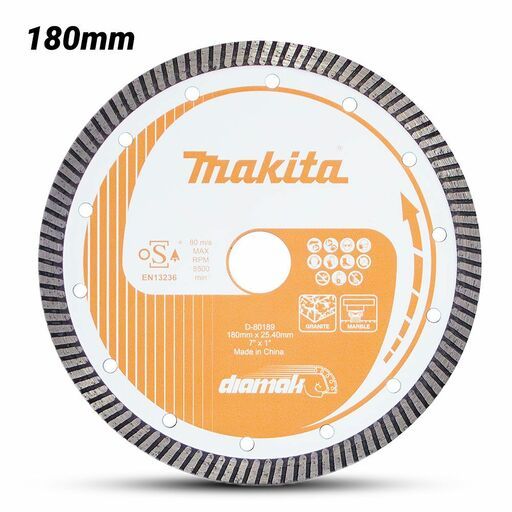
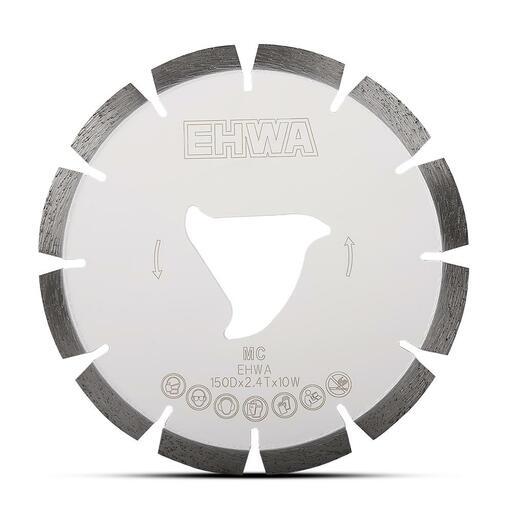
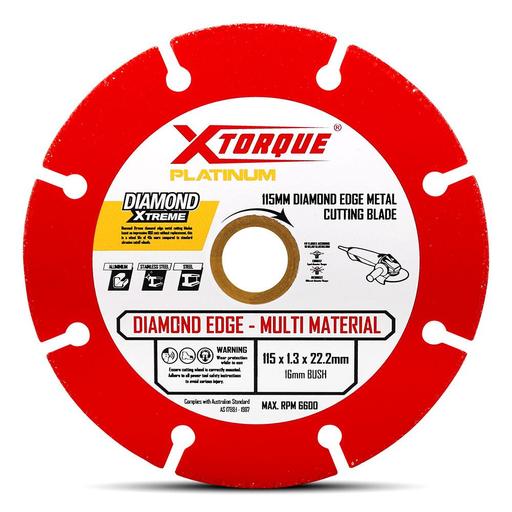
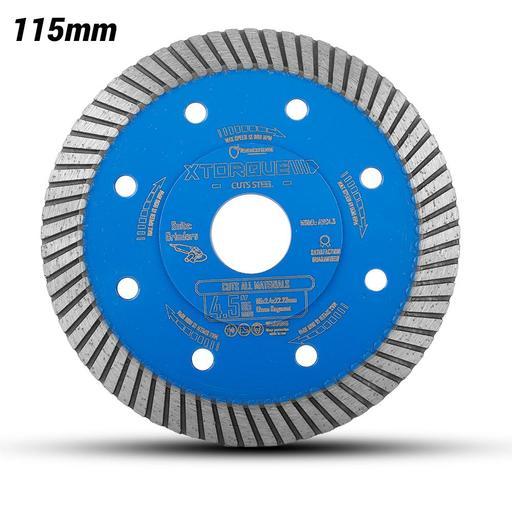
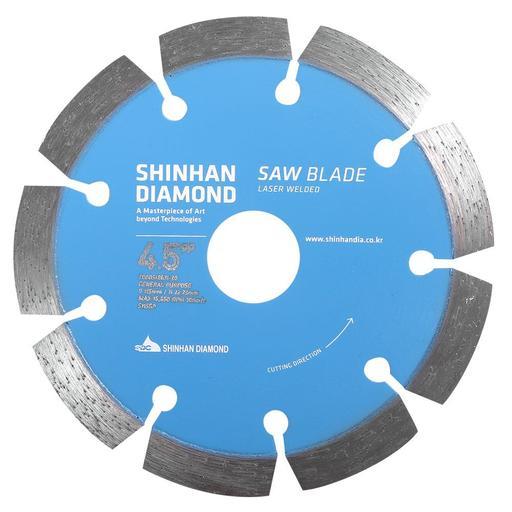
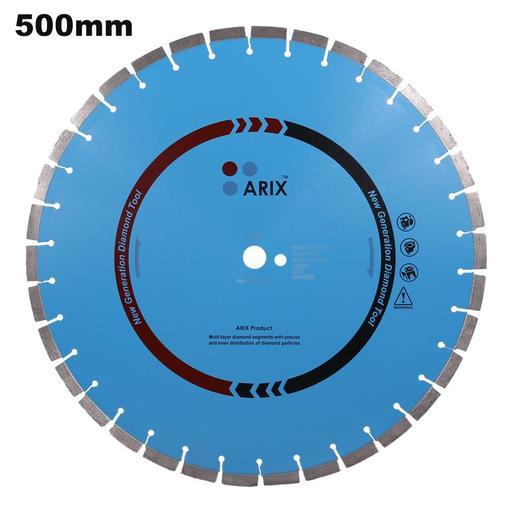
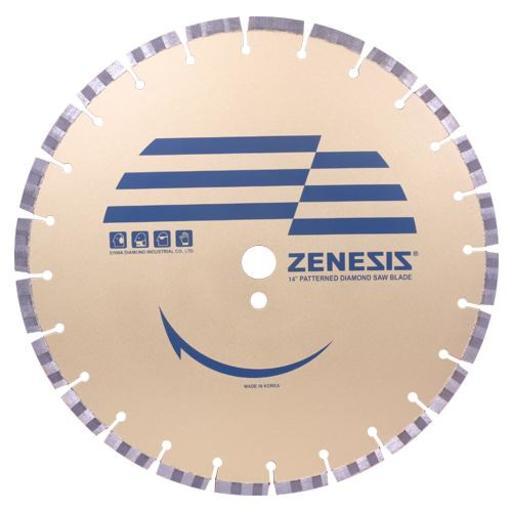
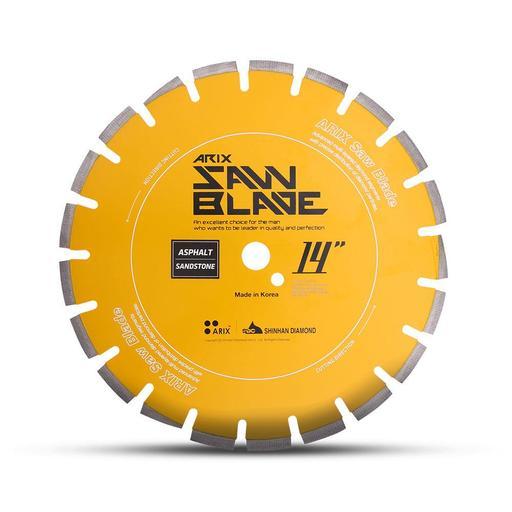
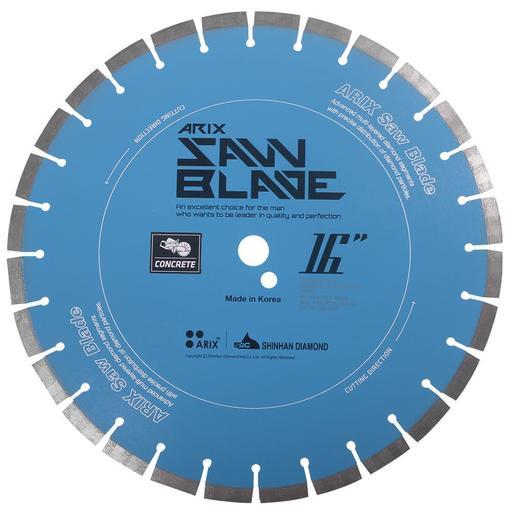
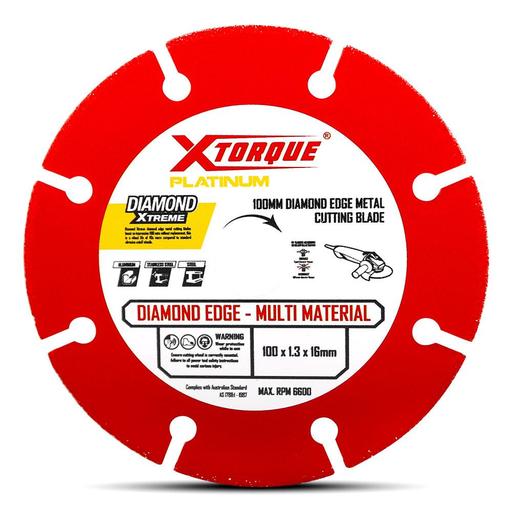
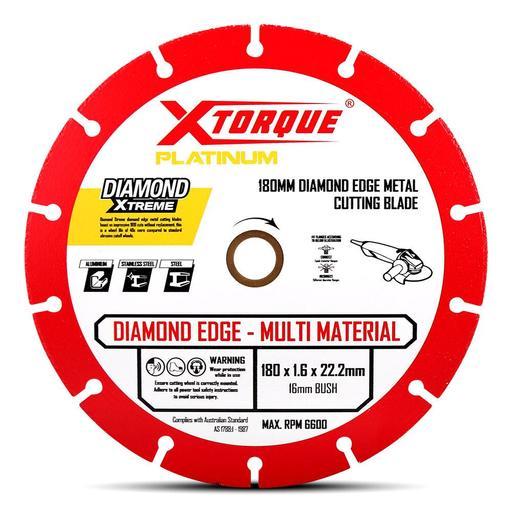
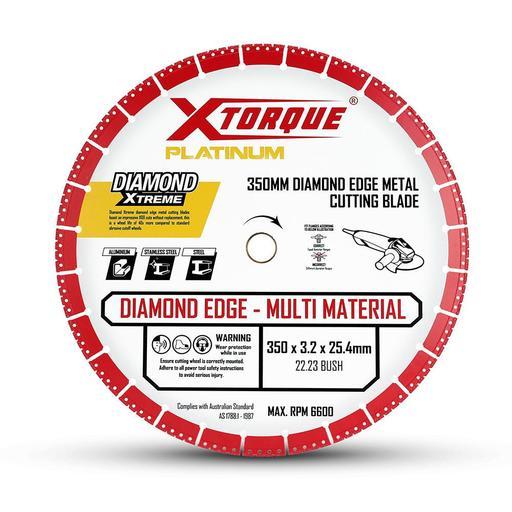
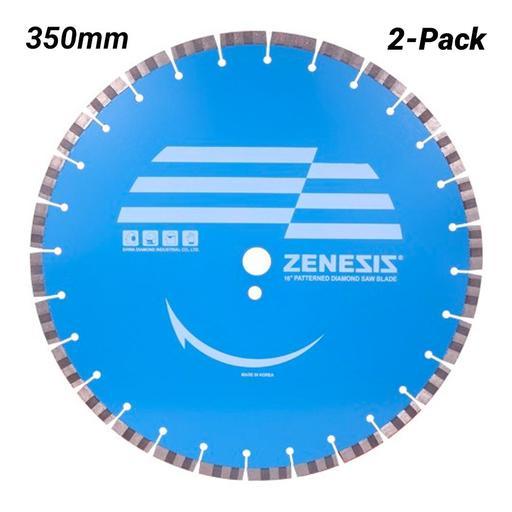
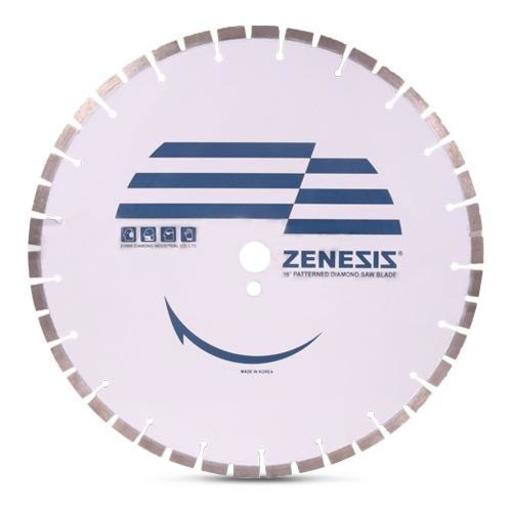
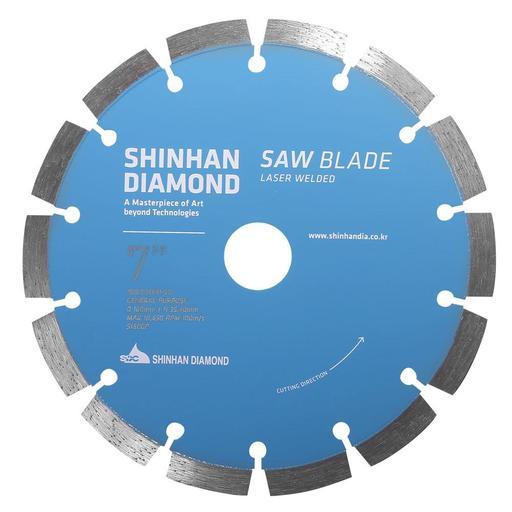
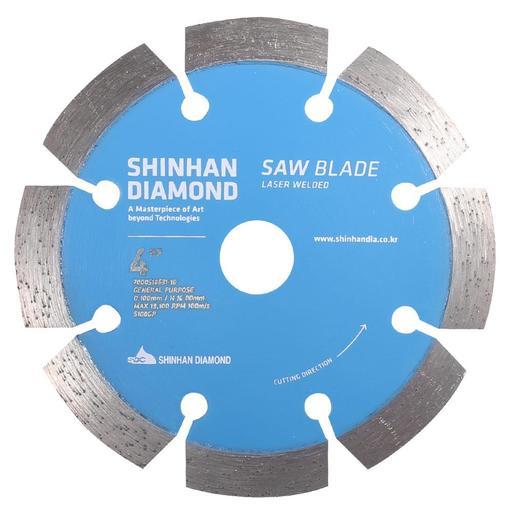
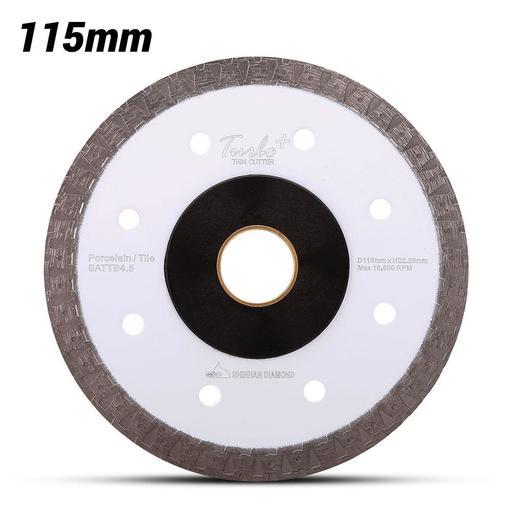
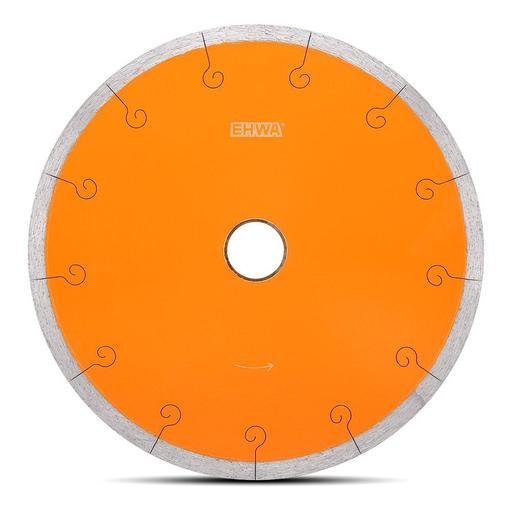
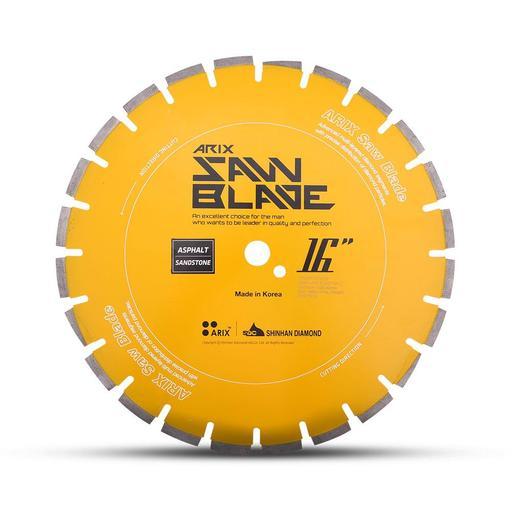
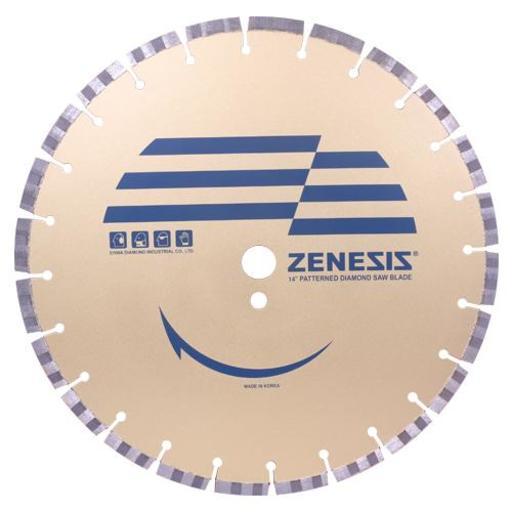
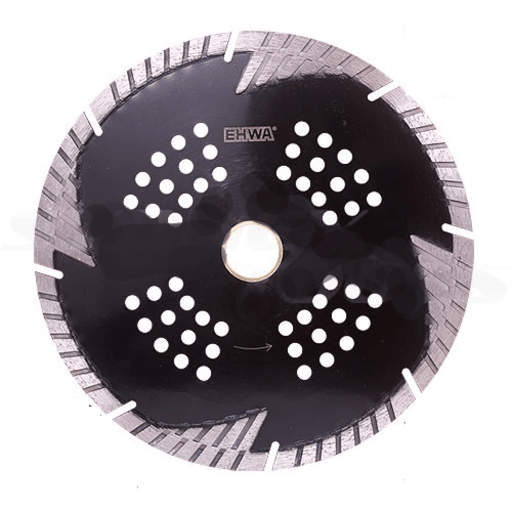
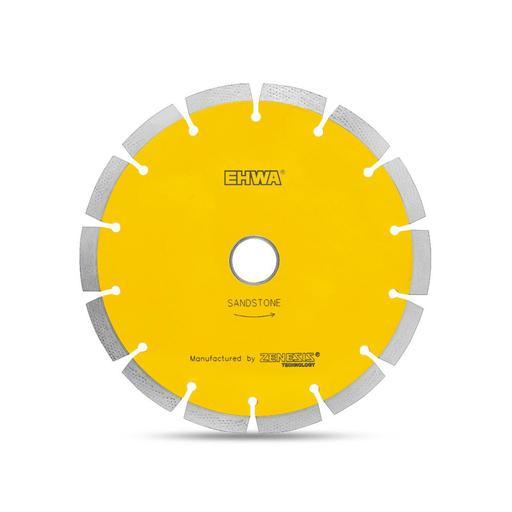
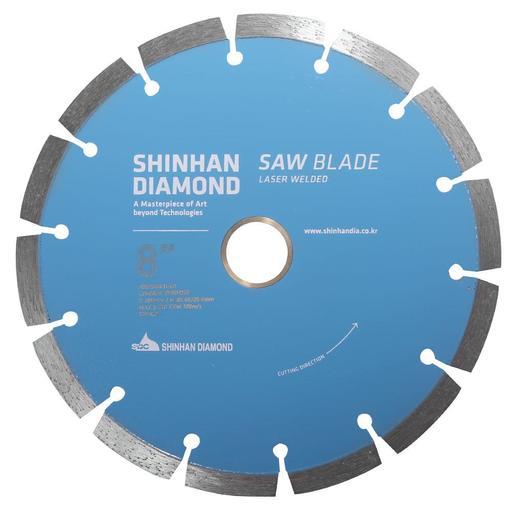
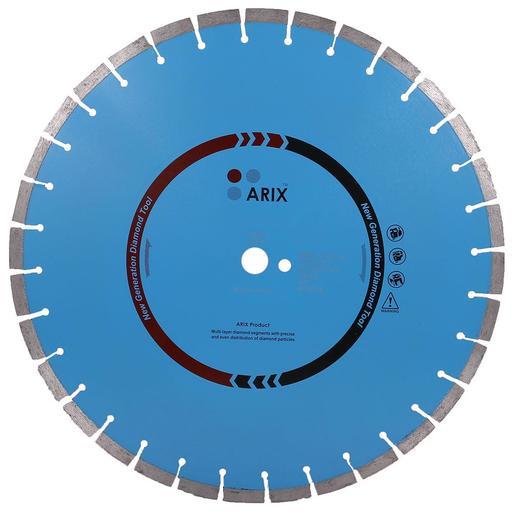
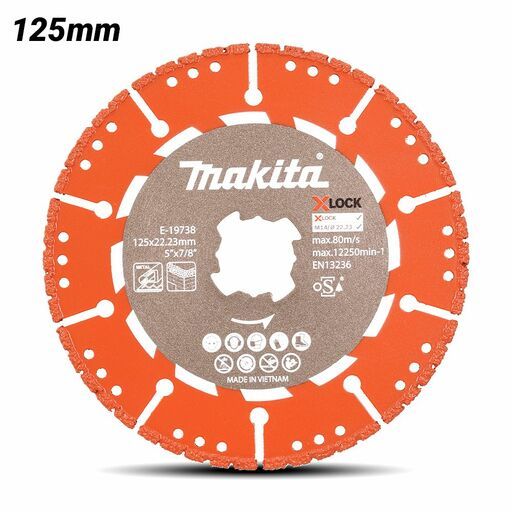
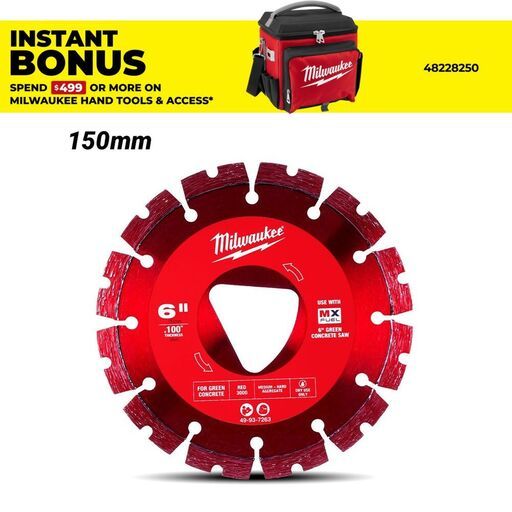
Diamond blades are designed for cutting through tough material and are specifically made to be used with tools such as angle grinders, circular saws, concrete saws, brick saws, tile saws and demo saws. The blade is bonded with synthetic diamonds which allows smooth cutting through hard surfaces.




























Benefits of Using the Right Diamond Blade
As with any cutting tool, the blade you use makes a big difference to the final result as well as the lifespan of your equipment. The right blade means faster cutting, cleaner edges, reduced chipping. It also extends blade life, reduces downtime, and ensures safer operation when matched to the correct material and equipment.
Types of Diamond Blades (by Application)
Choosing the right blade will depend on what you’re cutting. Here are the main types:
General-purpose diamond blades: Suitable for a variety of materials including concrete and masonry.
Concrete cutting blades: Built for hard concrete, reinforced concrete, and pavers.
Tile and porcelain blades: Designed for smooth, chip-free cuts on delicate materials.
Asphalt blades: Specially engineered for abrasive asphalt and green concrete.
Segmentation styles: Turbo, continuous rim, and segmented blades offer different cutting speeds and finishes based on material type and cutting needs.
Key Features to Consider
Blade diameter and bore size: The diameter is the overall size of the diamond blade, it affects the cutting depth capacity of the blade. Larger blades allow for deeper cuts but require larger and more powerful tools.
Segmentation type:
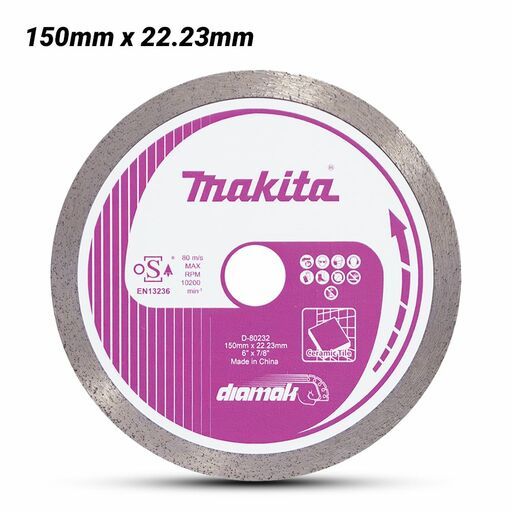
Continuous rim blades have a smooth edge and are ideal for wet cutting through materials like tile, porcelain, and ceramics.
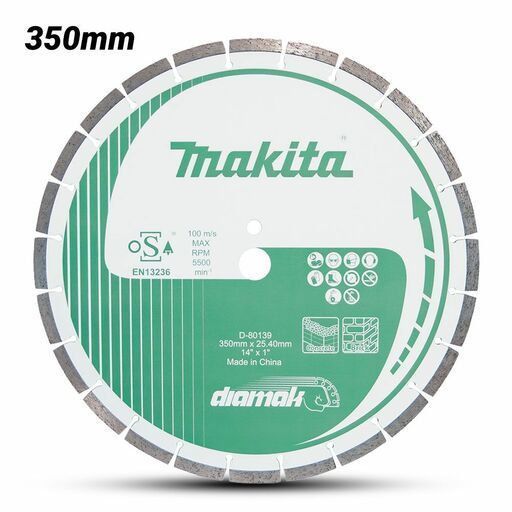
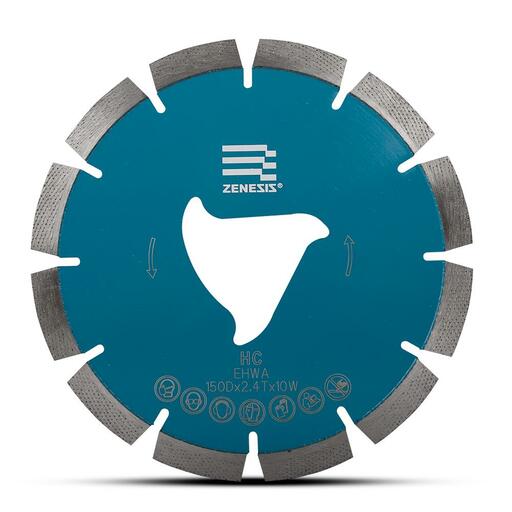
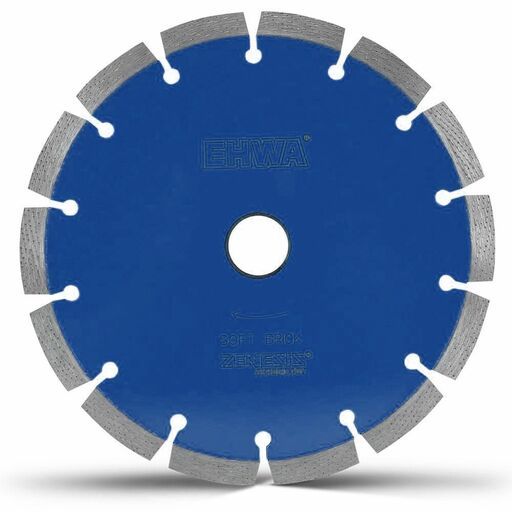
Segmented blades have notched (segmented) edges, perfect for fast dry cutting through materials like concrete, brick, and pavers.
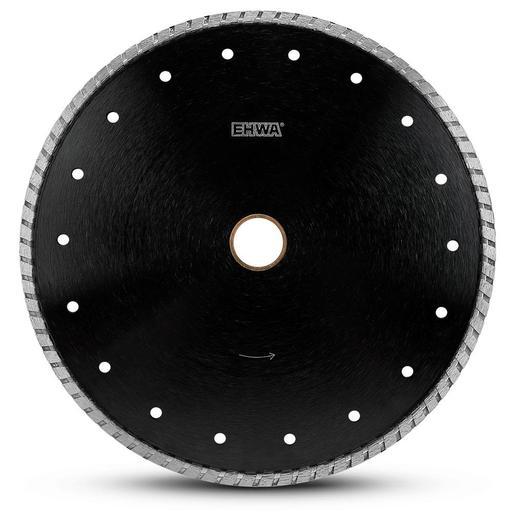
Turbo blades offer a balance between speed and precision. Their serrated edge works well on masonry, stone, and tile, with or without water.
Wet vs dry cutting suitability: Some blades are designed for wet cutting, which uses water to cool down the blade reducing dust and extending its life, most often used for materials like tile or concrete. Dry cutting blades on the other hand don’t use water and are fine for quick jobs, bear in mind that they will produce more dust so you’ll need to ensure you have plenty of ventilation, dust management and decent safety gear.
Blade bonding strength and diamond concentration: Diamond concentration refers to how many diamonds are on the blade while the bonding strength refers to how tightly they are held in place. Stronger bonding and a higher diamond concentration is better for tougher jobs but will cut a bit slower.
Material compatibility: Always check if the blade is designed to cut the intended material.
Arbor size and reducer rings: Arbor size is the diameter of the hole in the centre of the blade that fits onto your tool’s spindle and it’s important to match the size exactly for safe cutting. If the blade’s arbor hole is larger than your tool’s spindle you can use reducer rings to fill the gap. Arbor rings are small metal inserts that allow your blade to fit securely. Make sure to match the correct size to avoid wobbling and damaging your tool.
Cutting depth capacity: There are several factors that determine a blade’s achievable cutting depth. Deeper cuts require a larger blade diameter. Blade thickness also plays a role, as thicker blades are generally needed for deeper cuts. The tool/machine’s power output also affects how deep a blade can cut.
Segmented vs Continuous Rim vs Turbo Diamond Blades
Segmented Rim Blades
These blades are designed for rough, fast cutting in hard materials such as bricks, stone and concrete. They have 10 to 14 segments separated by grooves, which work to dissipate heat during cutting making them the best choice for when water cooling isn’t available. These blades are most commonly used in demolition, remodeling and construction projects, and when water cooling isn’t available. Their aggressive cutting style makes them less accurate, much noisier, and wear out faster.
Continuous Rim Blades
These blades are made for smooth, chip free cutting through more delicate materials such as tiles or porcelain. Their rim is flat, without any grooves, which means they require water while operating to stay cool and control dust build up. Water cooling allows for clean, precise cuts making continuous rim blades ideal for jobs that require accuracy and a clean finish.
Turbo Blades
These blades combine benefits of segmented and continuous rim blades. Their rim features slight segmentation and a serrated edge, which allows for faster cutting than continuous blades while allowing for a cleaner finish than the rougher cutting segmented blades. They’re best suited for denser materials where both speed and a more accurate cut are important.
Applications of Different Diamond Blades
Diamond blades are used across a wide range of trades as well as home DIY. Here are some common applications:
Cutting concrete slabs and driveways: essential to complete a variety of renovations and repair work.
Trimming bricks, blocks, and pavers: landscaping and masonry jobs.
Shaping ceramic or porcelain tiles: perfect for clean and precise tiling work.
Slicing through natural stone or granite: used for benchtops, paving and decorative finishes.
Road and civil works with asphalt: essential for maintenance crews and infrastructure.
Demolition or construction site prep: cutting through reinforced concrete and other heavy-duty materials.
Why Choose Sydney Tools for Diamond Blades
Sydney Tools offers a wide range of diamond blades to suit a variety of tasks and materials. Whether you’re cutting concrete, tile stone or asphalt you’ll find high-quality blades from trusted brands like Bosch, Husqvarna, Milwaukee and Makita to tackle the job. Our knowledgeable staff are always on hand to help you choose the right blade for your tool and project.
Frequently Asked Questions (FAQs)
What materials can diamond blades cut?Diamond blades are versatile tools that can be used for cutting a large range of materials, especially hard and abrasive materials such as concrete, stone, asphalt, brick, tile and depending on the blade type, even some metals like steel and cast-iron.
What’s the difference between a turbo and a segmented diamond blade?
Both blades are very similar in structure. While both are suited for cutting through bricks and concrete, turbo blades can be used both dry and wet providing you with a cleaner finish and can tackle tougher material like limestone.
Can I use a diamond blade for wet and dry cutting?
This depends on the blade, some diamond blades are made for dry cutting, others are made for wet cutting, and some others do both. Always check the instructions as incorrect use can damage the blade.
How long do diamond blades last?
The lifespan of diamond blades depends on the material you’re cutting, how often it’s used and the quality of the blade. You’ll know when it’s worn out when the blade starts to slow down and struggle through material, or when the edge looks smooth.
What size diamond blade do I need for my saw?
Check the instructions or manual for the maximum blade diameter that it can support. Always match the blade diameter and arbor size to your saw.
Can diamond blades be used on handheld angle grinders?
Yes, just make sure that the arbor size matches your angle grinder and that the RPM is rated for your tool.
What’s the best blade for cutting porcelain tiles?
Use a continuous rim blade as it’s designed to be used wet and provides clean, chip-free cuts on hard materials like porcelain.
Are all diamond blades suitable for reinforced concrete?
Not all diamond blades can be used to cut reinforced concrete. Look for segmented or turbo blades that can cut through both concrete and steel. These will be marked as safe to use with reinforced or rebar-laced concrete to avoid damaging your blade and your tool.
Do I need water when using a diamond blade?
This is dependent on what blade and material you’re working with. Continuous rim blades require water flow to keep cool and prevent chipping, Turbo rim blades are less prone to overheating and can work with both wet and dry conditions.
What brands of diamond blades does Sydney Tools stock?
Here at Sydney Tools we carry an extensive range of quality diamond blades from brands such as Makita, Bosch, Milwaukee, Xtorque, Dewalt and many more.


