
Login
Login
- Popular Categories
- Shop By Brand
- Tool Accessories
- Air Compressor
- Hand Tools
- Laser Levels
- Mechanical Workshop
- Pressure Washers
- Welding
- Chainsaws
- Lawn Mowers
- Whipper Snippers
- Categories
- Adhesives & Sealants
- Air Tools
- Diamond Tools
- Fans
- Fasteners
- Generators
- Ladders
- Lubricants & Chemicals
- Power Garden
- Safety Equipment
- Scaffold
- Silica Dust Solutions
- Storage
- Test - Measure - Locate
- Transportation & Lifting
- Vacuum & Dust Extractors
- Water Pumps
Mechanical Workshop / Workshop Coolers
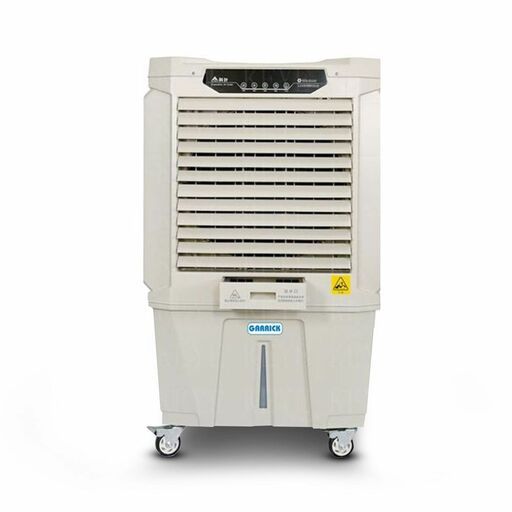
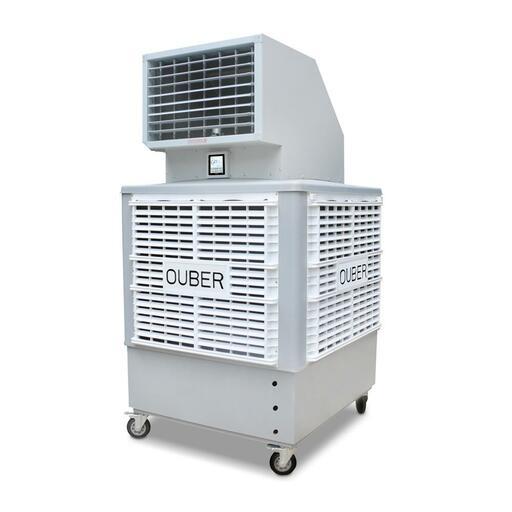
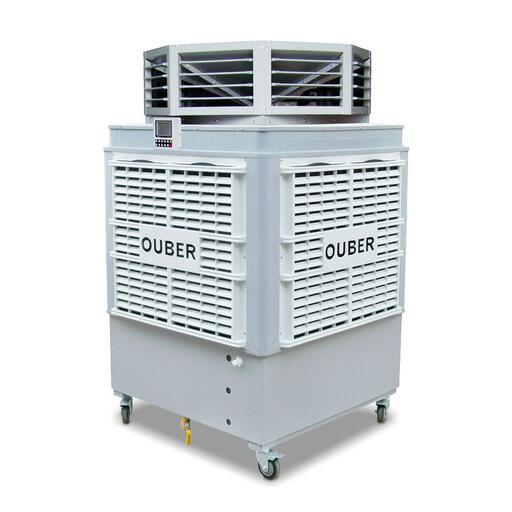
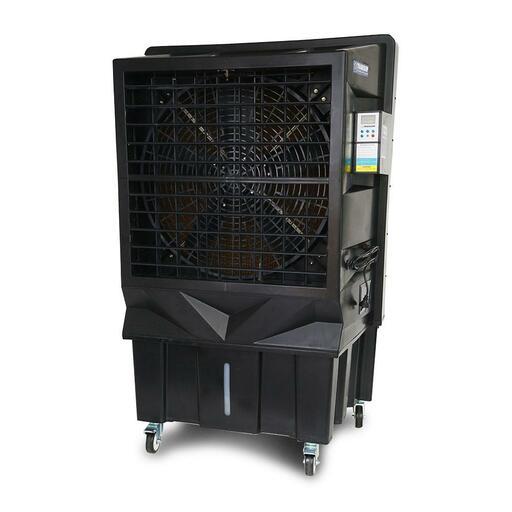
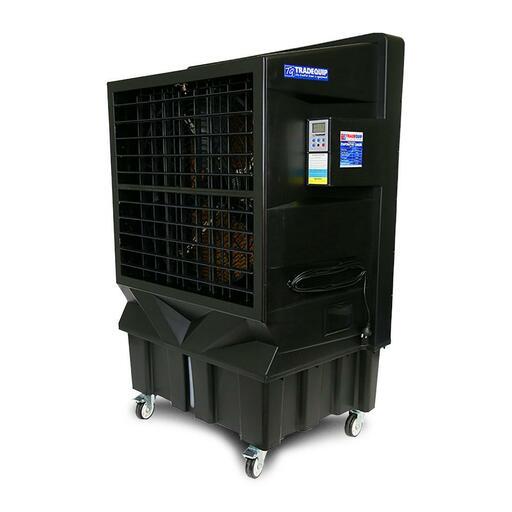
Workshop coolers are essential climate-control solutions for automotive garages, mechanical workshops and service bays where heat can quickly build up during daily operations. Designed to move and cool large volumes of air, these units help maintain more comfortable working temperatures, reducing heat-related fatigue and supporting productivity during long repair or maintenance jobs. By keeping air circulating and work areas cooler, workshop coolers help create safer, more efficient environments even during peak summer conditions.

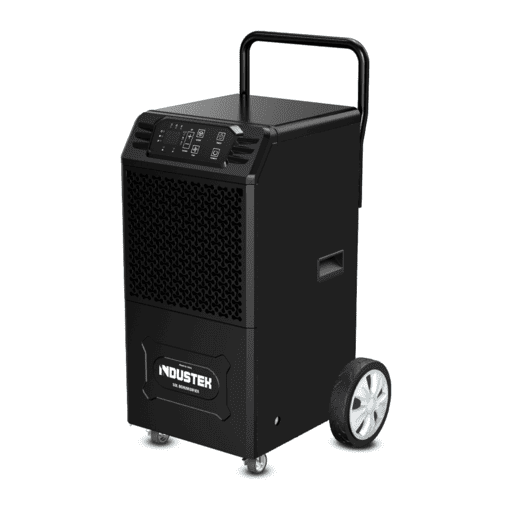
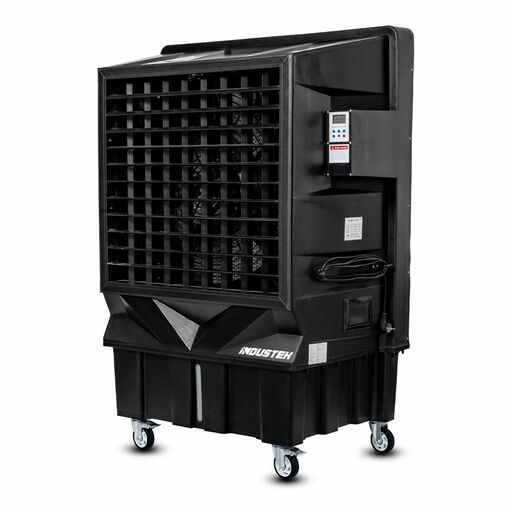
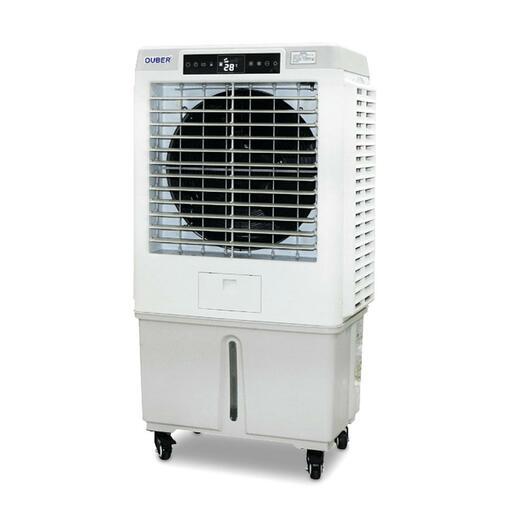


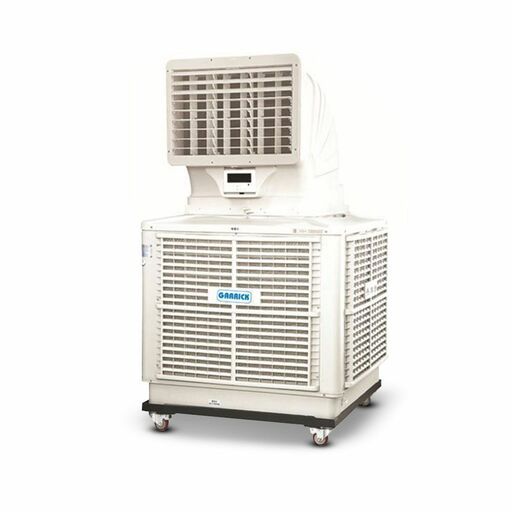



Why Workshop Coolers Are Worthwhile
A properly sized workshop cooler can dramatically improve conditions in hot, enclosed or poorly ventilated workspaces. By delivering strong airflow and lowering ambient temperatures, workshop coolers help prevent stagnant hot air and support better circulation throughout the space. Sustained comfort allows technicians to stay focused for longer periods, reduces the risk of heat stress, and contributes to higher-quality workmanship across the day.
Main Features & Performance Factors
- Cooling capacity: Select a unit appropriate for the size of your workshop or service bay to ensure effective temperature control.
- Airflow rate: Higher airflow helps distribute cool air evenly, especially in large or high-ceiling spaces.
- Power source: Options include standard mains-powered units, fan-only circulation models or evaporative coolers for enhanced cooling.
- Portability: Wheels, castors and carry handles make it easier to reposition coolers as work layouts change.
- Installation & operation: Look for straightforward setup, intuitive controls and minimal ongoing adjustment.
- Water tank capacity: For evaporative coolers, a larger tank supports longer run times between refills.
- Noise level: Balanced performance ensures airflow without excessive disruption in busy workshops.
- Build quality: Rugged housings and durable components are essential for harsh workshop environments.
Safe Use & Care Best Practices
To ensure safe and effective operation:
- Position coolers where they can draw and distribute air freely, without obstructions.
- Avoid placing units near flammable fuels, solvents or volatile chemicals.
- Clean filters and cooling pads regularly to maintain airflow and cooling efficiency.
- Empty and clean water tanks on evaporative models to prevent mould or odour buildup.
- Follow all electrical safety guidelines and disconnect power before cleaning or servicing.
Why Buy Workshop Coolers from Sydney Tools
At Sydney Tools we offer a wide range of workshop coolers suited for mechanical and industrial environments. Each supported with specifications to assist you in choosing the right solution for your workspace and cooling needs. Not only do we offer workshop coolers but also work benches and tool trolleys to help organise your workspace, as well as competitive prices, durability, access to accessories and expert advice in store and online.
Frequently Asked Questions (FAQs)
How long can a workshop cooler run continuously without needing a shutdown period?
Most workshop coolers are designed for extended operation, but run time depends on the model, airflow setting and maintenance condition.
Can workshop coolers be safely operated overnight or unattended?
This depends on manufacturer guidelines. Always follow recommended usage instructions and electrical safety advice.
What electrical checks should be made before connecting a workshop cooler?
Ensure power outlets are rated correctly, cords are undamaged and residual current devices (RCDs) are in place where required.
Are workshop coolers suitable for temporary job sites or mobile service setups?
Yes, many portable models with wheels and standard power connections are ideal for temporary or mobile applications.
How do I store a workshop cooler correctly during long periods of non-use?
Clean the unit thoroughly, empty any water tanks, allow components to dry and store in a dry, dust-free area.
Can workshop coolers be transported while containing water, or should they be emptied first?
It’s generally best to empty water tanks before transport to prevent spills or internal damage.
What indicators suggest internal components may be wearing out over time?
Reduced airflow, unusual noise, inconsistent cooling or increased power draw can indicate wear.
Are there differences in cooler performance between indoor workshops and semi-open sheds?
Yes, open or semi-open spaces may require higher airflow or capacity to achieve the same cooling effect.
How does long-term exposure to dust or metal particles affect cooler lifespan?
Dust and debris can clog filters and internal components, making regular cleaning essential.
What factors affect warranty coverage for workshop coolers used commercially?
Warranty coverage can depend on usage conditions, maintenance practices and adherence to manufacturer guidelines.


