
Login
Login
- Popular Categories
- Shop By Brand
- Tool Accessories
- Air Compressor
- Hand Tools
- Laser Levels
- Mechanical Workshop
- Pressure Washers
- Welding
- Chainsaws
- Lawn Mowers
- Whipper Snippers
- Categories
- Adhesives & Sealants
- Air Tools
- Diamond Tools
- Fans
- Fasteners
- Generators
- Ladders
- Lubricants & Chemicals
- Power Garden
- Safety Equipment
- Scaffold
- Silica Dust Solutions
- Storage
- Test - Measure - Locate
- Transportation & Lifting
- Vacuum & Dust Extractors
- Water Pumps
Mechanical Workshop / Taps
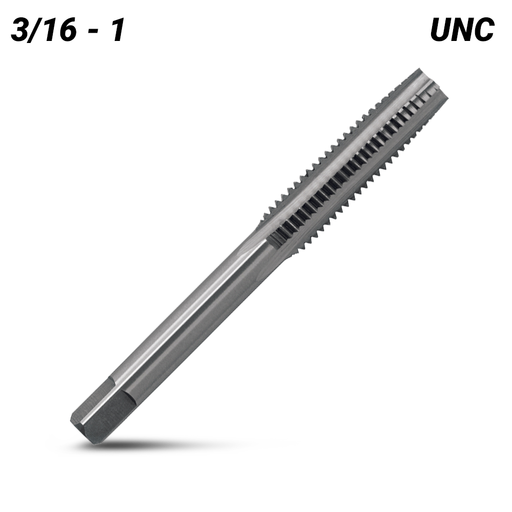
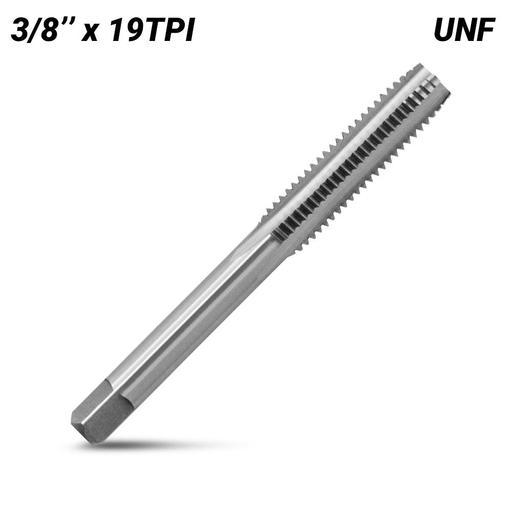
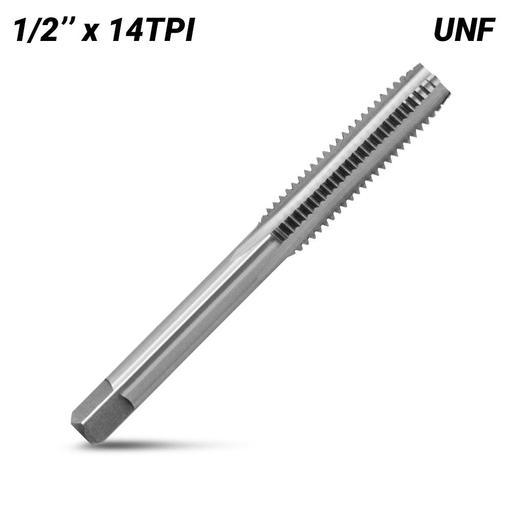
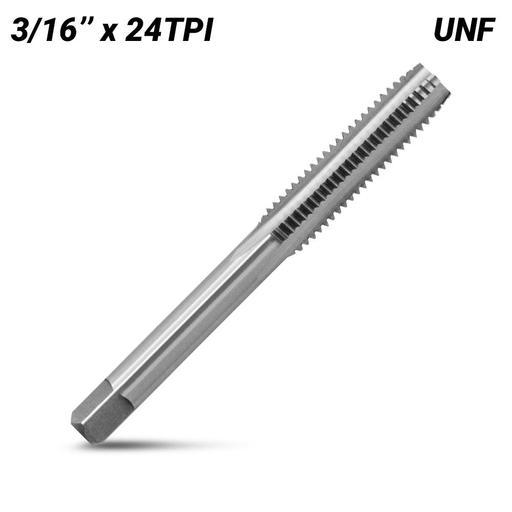
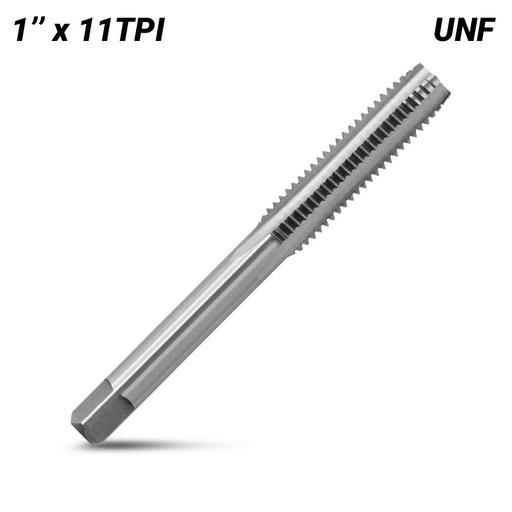
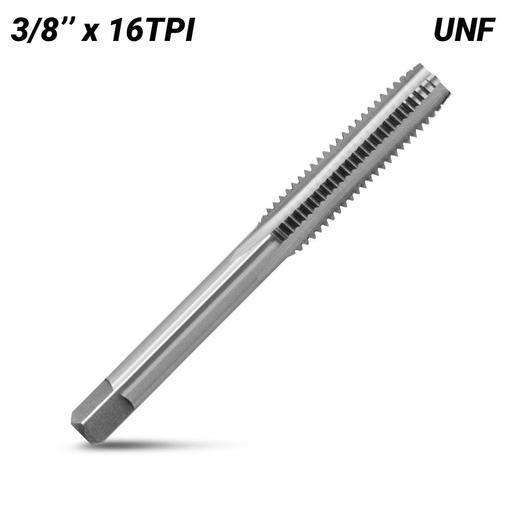
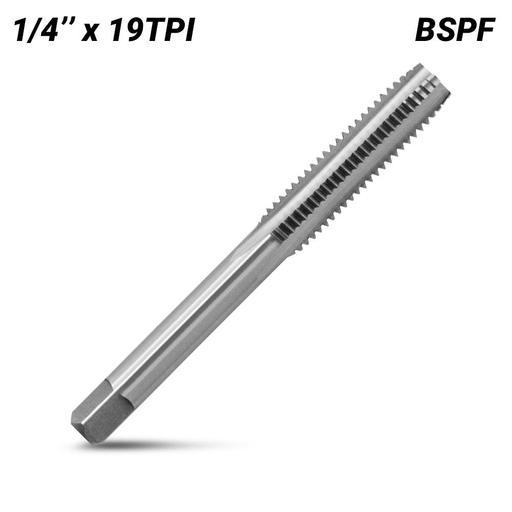
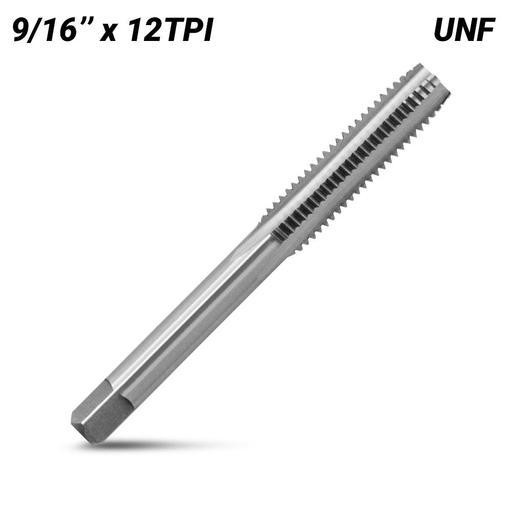
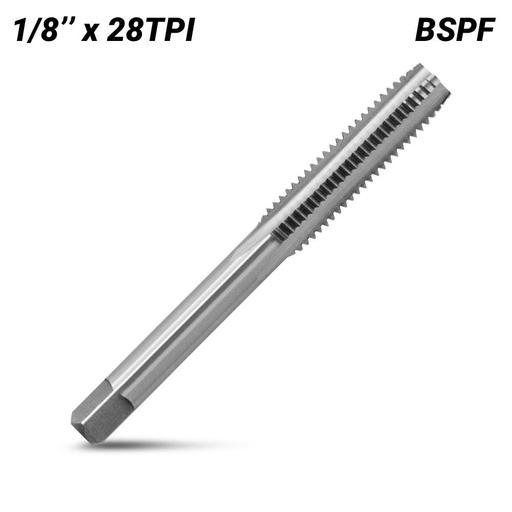
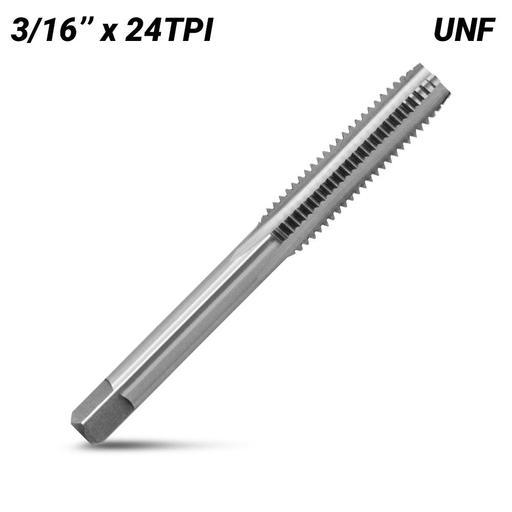
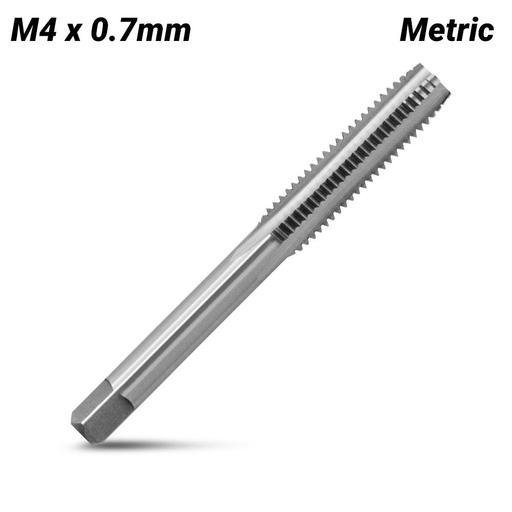
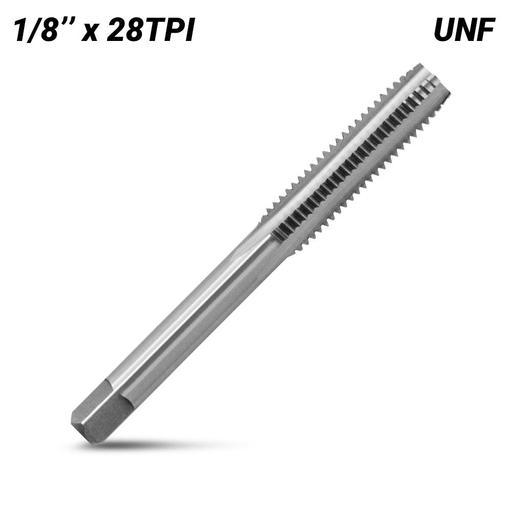
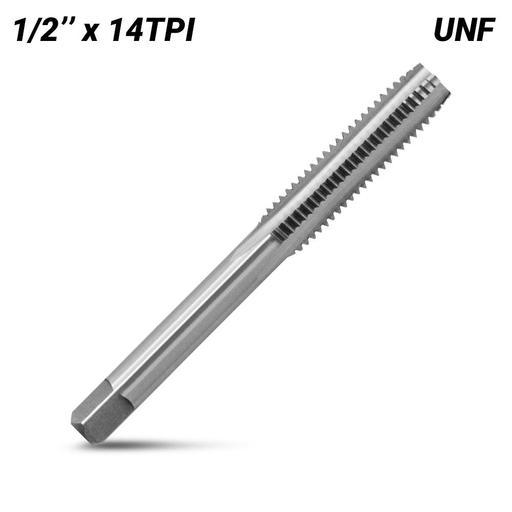
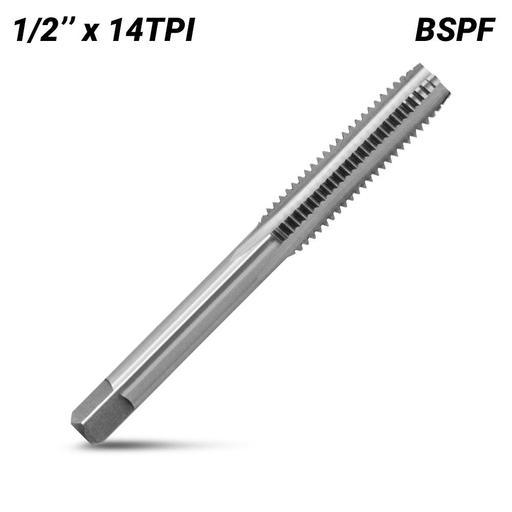
Taps are essential thread-cutting tools used in automotive and mechanical work to create new internal threads or restore damaged ones in drilled holes.In automotive and general mechanical applications, taps are commonly used on engine blocks, gearbox housings, suspension components, and brackets, as well as in custom fabrication and repair work. A broad selection of tap styles and sizes is available to suit different tasks and conditions, including taper, plug, and bottoming taps, as well as machine taps for powered use.


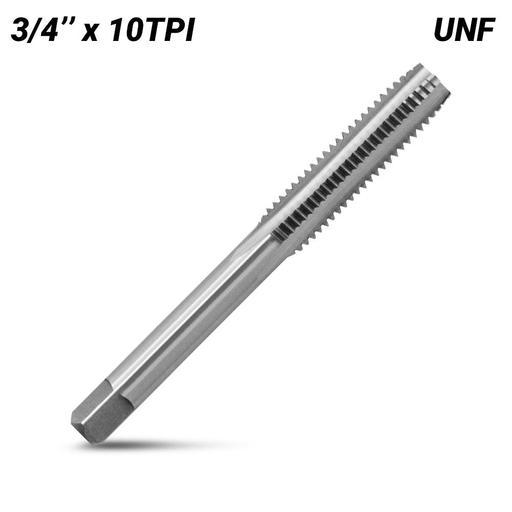

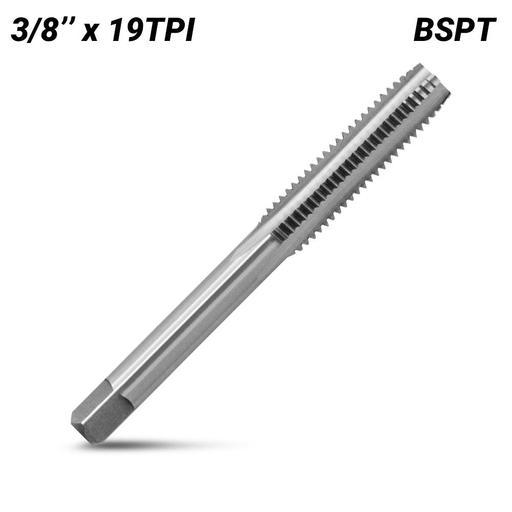
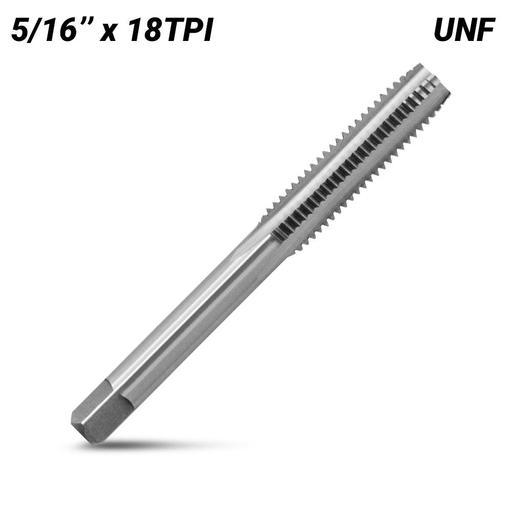

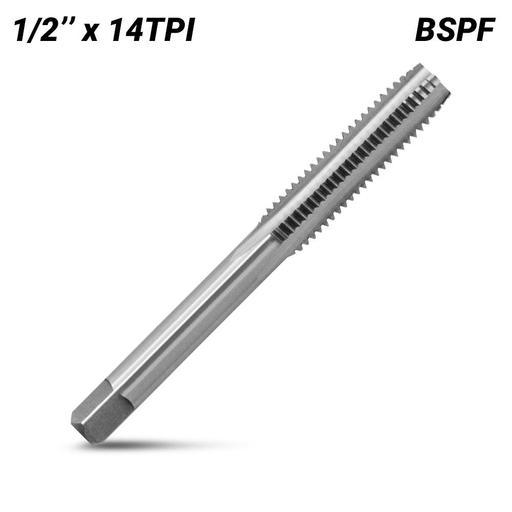
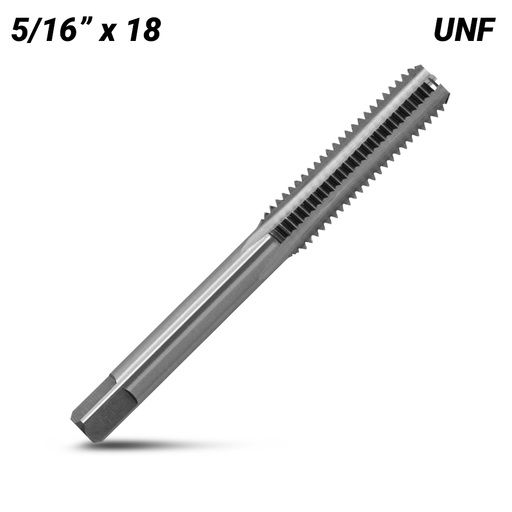
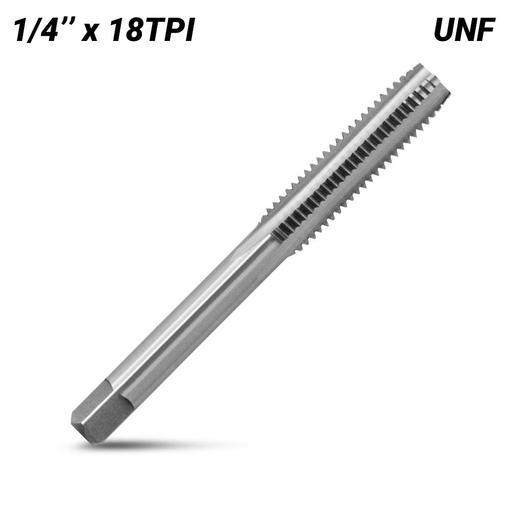
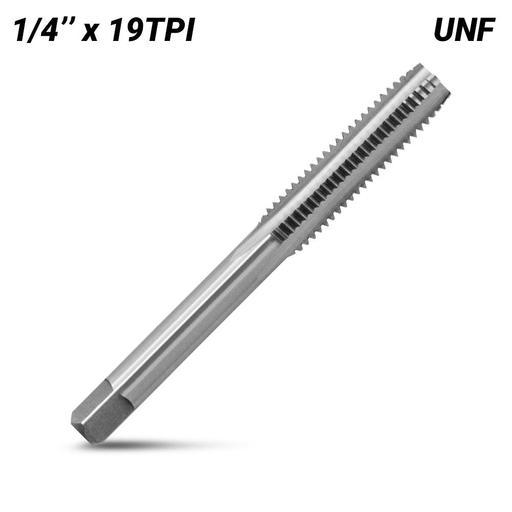
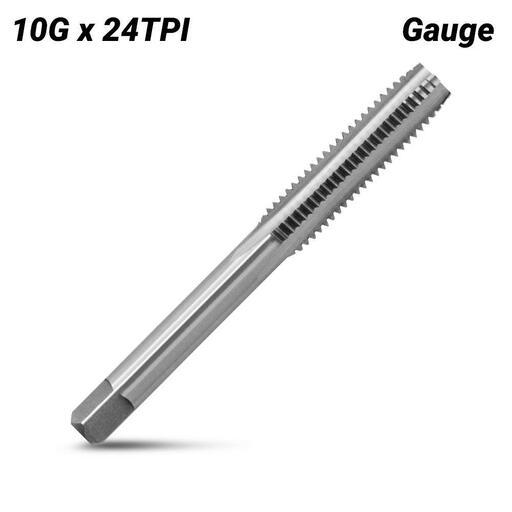



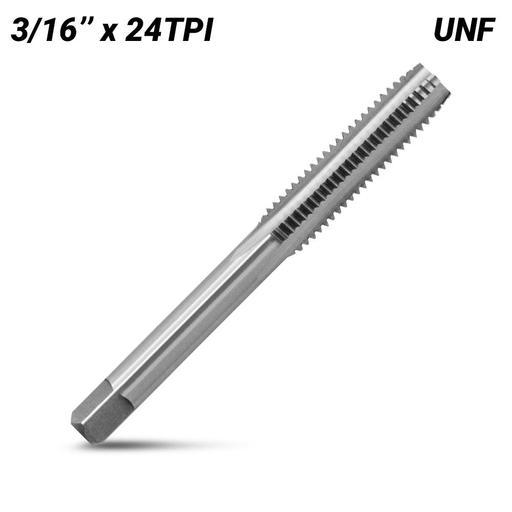
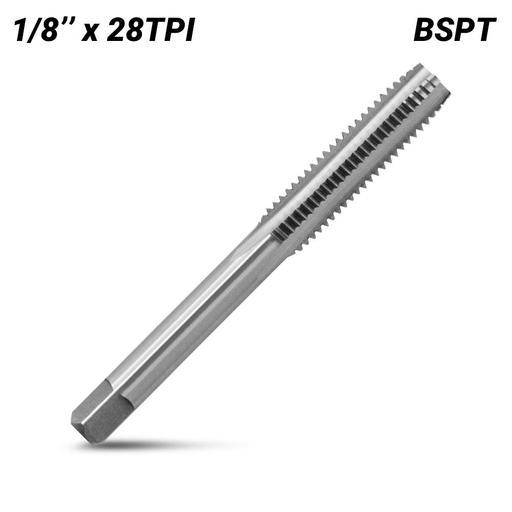
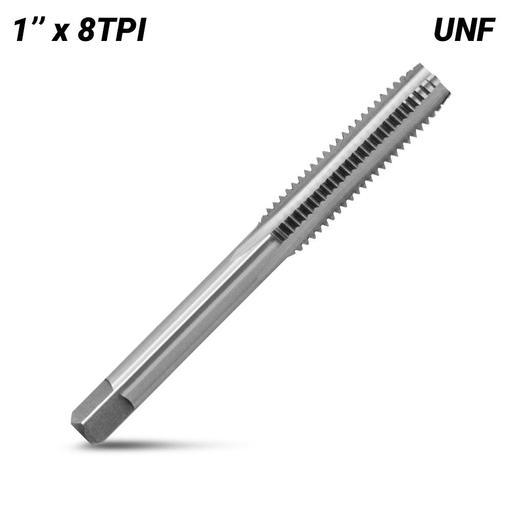
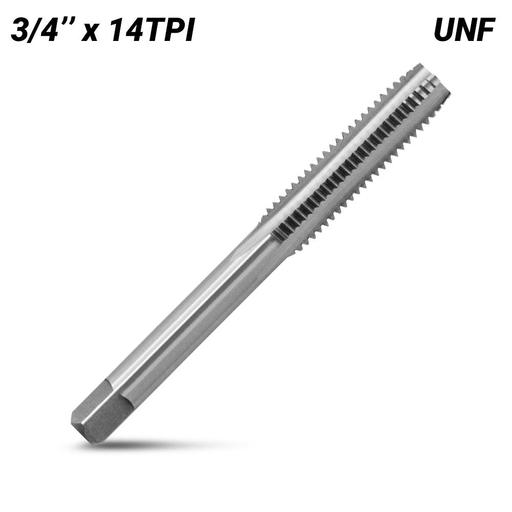



Why Selecting the Right Tap Makes a Difference
Selecting the correct tap is critical to cutting clean, accurate internal threads that allow fasteners to seat properly and hold securely. The right tap ensures correct thread form and depth, reducing the risk of cross-threading, stripped threads, or misalignment. Proper tapping protects component integrity, improves load distribution, and supports long-term, this is especially important in automotive and mechanical assemblies where vibration and stress are common.
Key Attributes & Usage Considerations
- Tap Type
- Taper taps: Long lead-in; easiest to start and best for new threads.
- Plug taps: Shorter lead; common all-purpose choice for through holes.
- Bottoming taps: Minimal lead; ideal for blind holes to cut threads close to the bottom.
- Size & Thread Pitch
- Available in metric and imperial standards. Ensure the pitch matches the fastener exactly.
- Material Quality
- High-quality hardened steel or alloy taps provide durability and consistent cutting, especially in tougher metals.
- Flute Design
- Straight or spiral flutes affect chip removal; spiral flutes help evacuate chips in blind holes.
- Hole Type
- Confirm suitability for through holes vs blind holes.
- Preparation & Technique
- Use the correct drill size before tapping.
- Apply appropriate cutting fluid for the material.
- Decide between hand tapping (greater control) and machine tapping (speed and consistency) based on accuracy needs.
Safe Handling & Care Guidance
- Securely clamp the workpiece before starting.
- Use a proper tap wrench or holder for control.
- Start the tap straight and perpendicular to the hole.
- Back off periodically to break chips and prevent binding.
- Avoid excessive force—especially in blind holes, where taps are more likely to break.
- Clean taps after use, removing chips and residue.
- Inspect for wear or dullness regularly.
- Store taps sorted by size and pitch to protect cutting edges and maintain accuracy.
Why Buy Taps from Sydney Tools
Here at Sydney Tools we offer a wide selection of taps from tap and die sets to tap wrenches and dies holders all designed with automotive and workshop applications in mind. With clear size, pitch, and material specifications, customers can confidently match the right tap to the job. Benefit from competitive pricing, comprehensive metric and imperial sets, and expert in-store or online support to ensure you choose the correct threading tools for your needs.
Frequently Asked Questions (FAQs)
How do I choose between a taper, plug or bottoming tap for a specific hole?
Use taper taps to start threads easily, plug taps for general use, and bottoming taps to finish threads in blind holes.
What drill size should I use before tapping to ensure correct thread depth?
Refer to a tap drill chart for the specific thread size and pitch; using the correct drill size is essential for proper thread engagement.
Can I use the same tap set for both automotive and general workshop applications?
Yes, quality metric or imperial tap sets are suitable for both, provided the sizes and materials match the application.
How often should I clean taps during a tapping operation to prevent chip buildup?
Clean chips frequently, backing the tap out every few turns, especially in deeper or blind holes.
What signs indicate a tap is dull or worn and needs replacing?
Increased resistance, rough or torn threads, chipped edges, or frequent binding are common indicators.
Are specialised taps needed for thin or soft materials compared to hard metals?
Yes, soft materials may benefit from taps with different flute designs, while hard metals require high-quality alloy or coated taps.
How do I prevent a tap breaking in a blind hole?
Use the correct tap type, plenty of cutting fluid, back off often to clear chips, and avoid bottoming out with force.
Can a tap be re-sharpened, or should it always be replaced when worn?
Some taps can be re-sharpened by specialists, but replacement is often more practical for small or heavily worn taps.
What handle or wrench design improves control when hand-tapping?
A well-fitted tap wrench with balanced handles provides better alignment and torque control.
How should taps be stored to maintain thread profiles and cutting edges?
Store taps clean, dry, and organised by size and pitch in protective cases to prevent damage and corrosion.
Find the right taps today
Whether you’re repairing damaged threads or cutting new ones from scratch, the right tap makes all the difference. Explore the full range of taps online or visit the nearest Sydney Tools store and equip your workshop with reliable thread-cutting tools that deliver accuracy, strength and long-lasting results on every job.


