
Login
Login
- Popular Categories
- Shop By Brand
- Tool Accessories
- Air Compressor
- Hand Tools
- Laser Levels
- Mechanical Workshop
- Pressure Washers
- Welding
- Chainsaws
- Lawn Mowers
- Whipper Snippers
- Categories
- Adhesives & Sealants
- Air Tools
- Diamond Tools
- Fans
- Fasteners
- Generators
- Ladders
- Lubricants & Chemicals
- Power Garden
- Safety Equipment
- Scaffold
- Silica Dust Solutions
- Storage
- Test - Measure - Locate
- Transportation & Lifting
- Vacuum & Dust Extractors
- Water Pumps
Mechanical Workshop / Locking Pliers
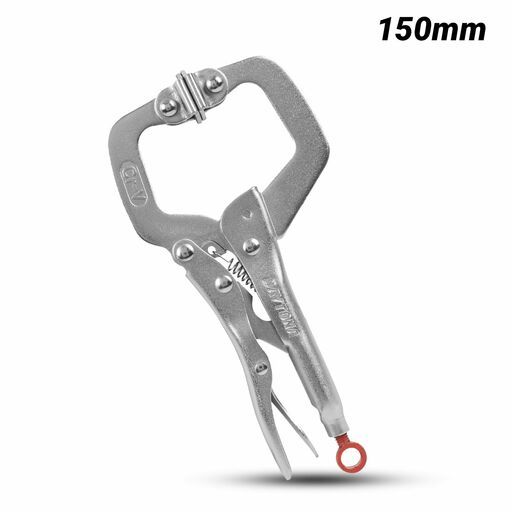
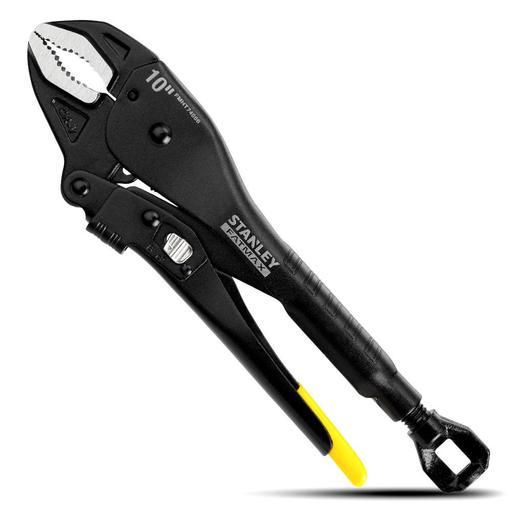
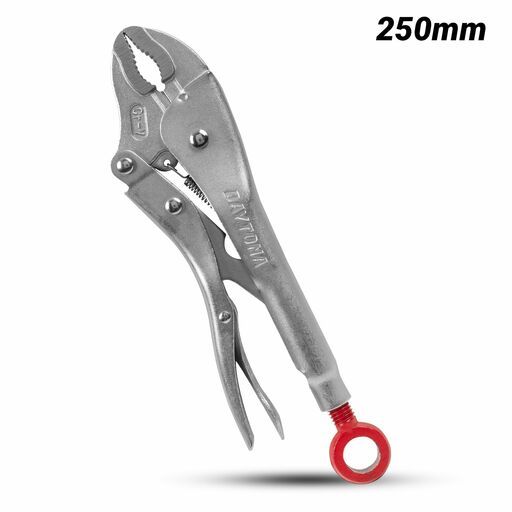
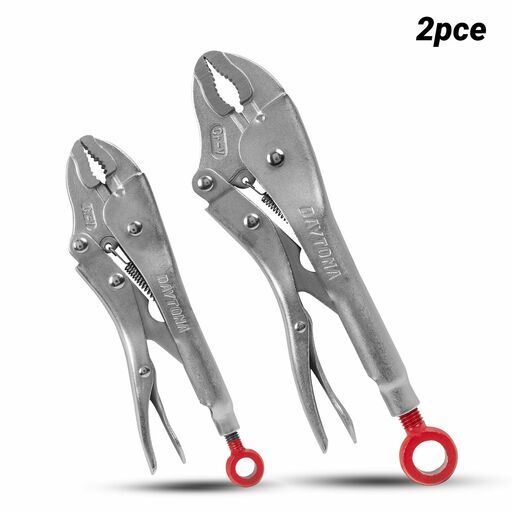
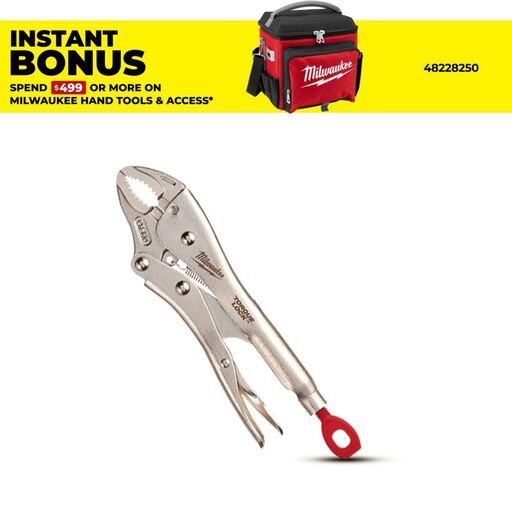
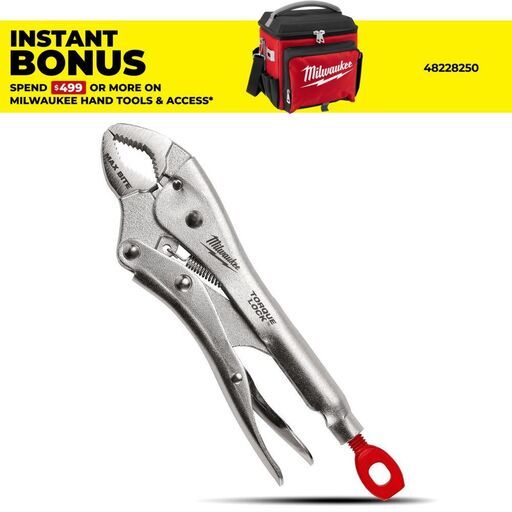
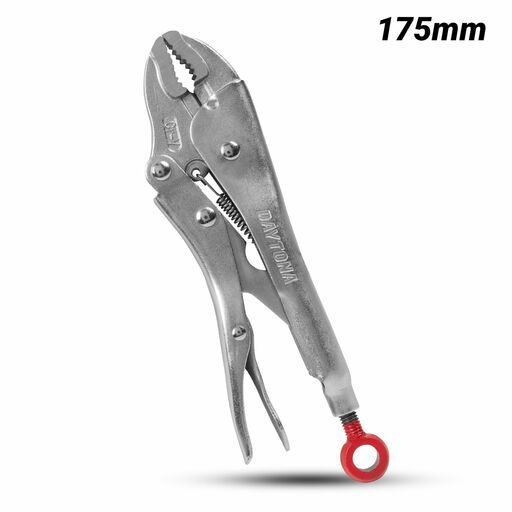
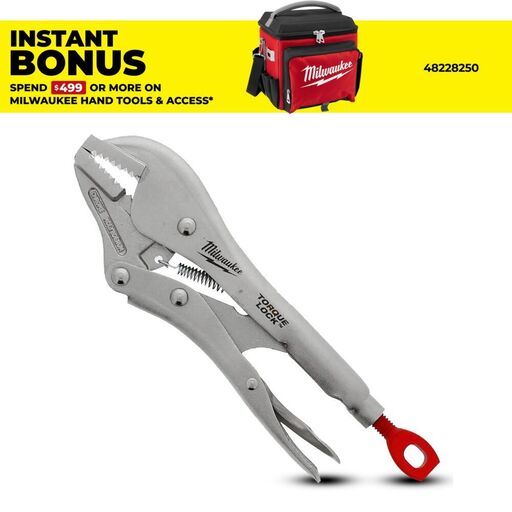
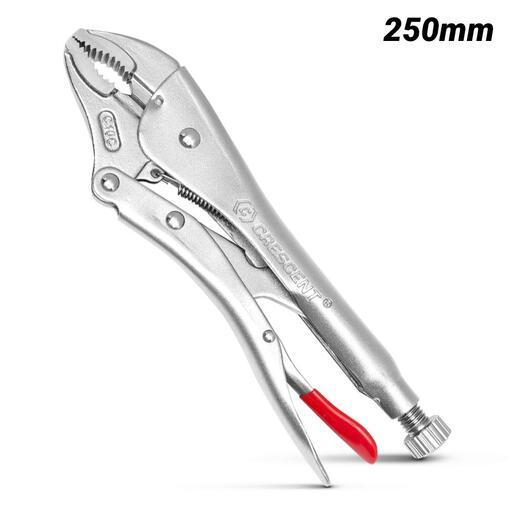
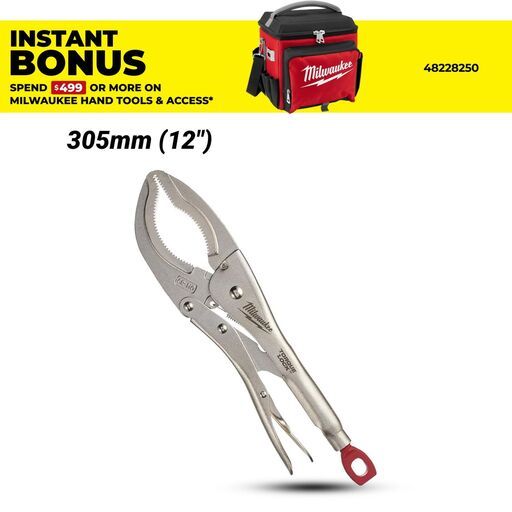
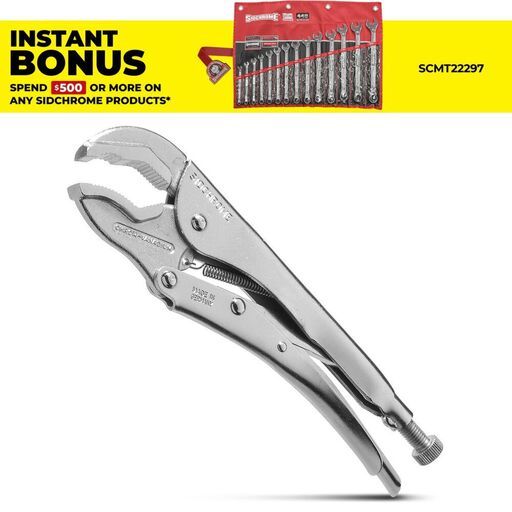
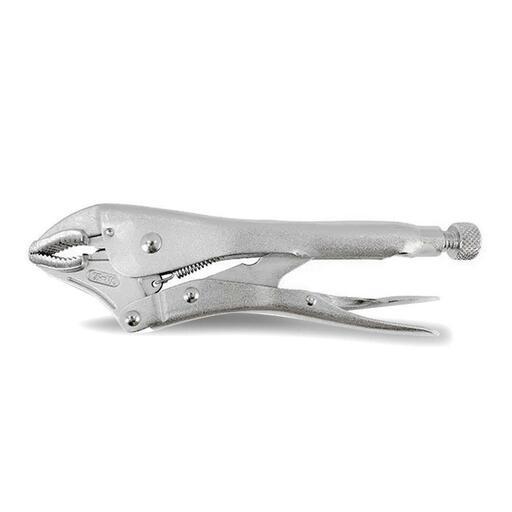
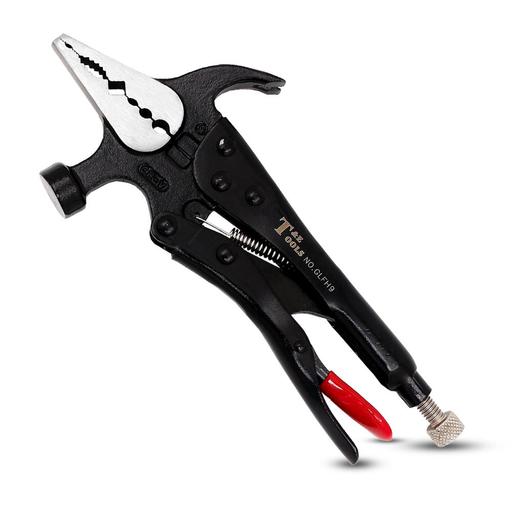
Locking pliers are the tool you reach for when a normal grip is not enough. In automotive and workshop work, they are often used to clamp parts together, hold components steady, or grab fasteners that other pliers cannot shift.
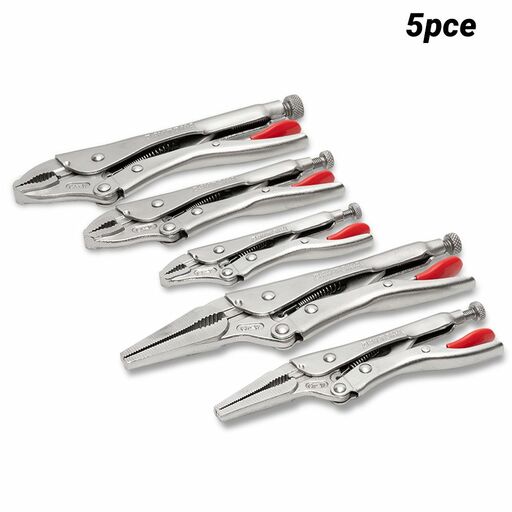
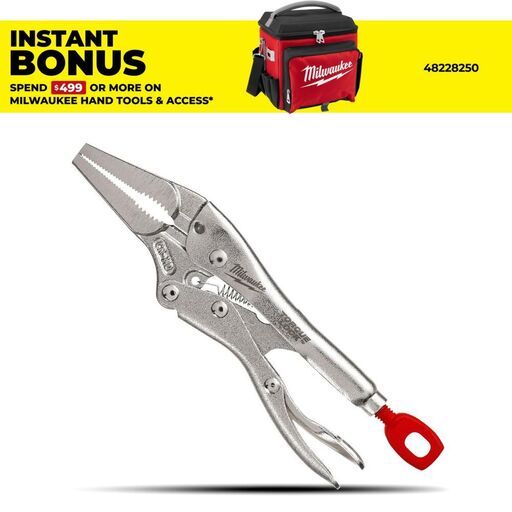
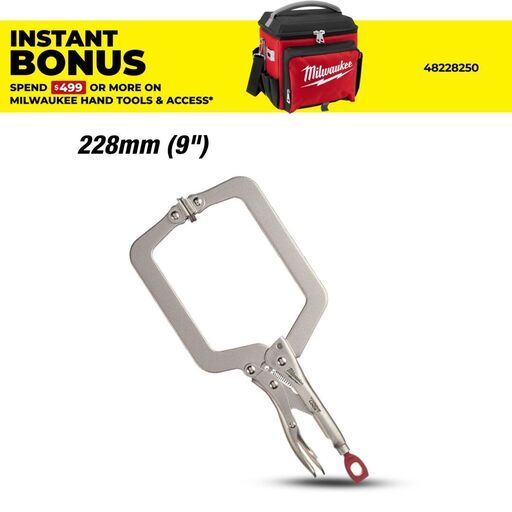
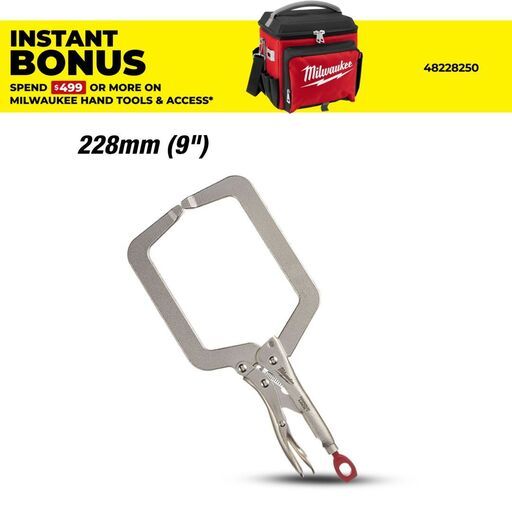
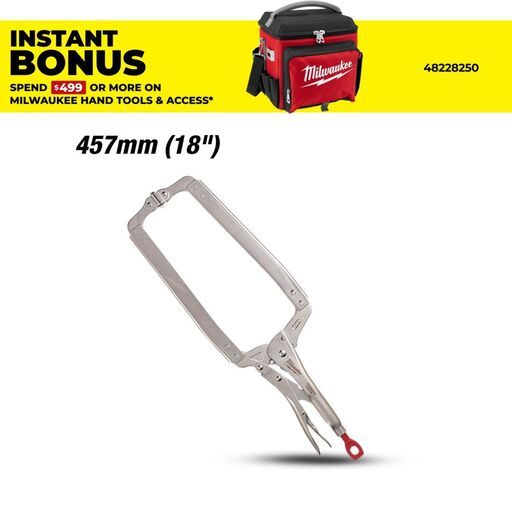
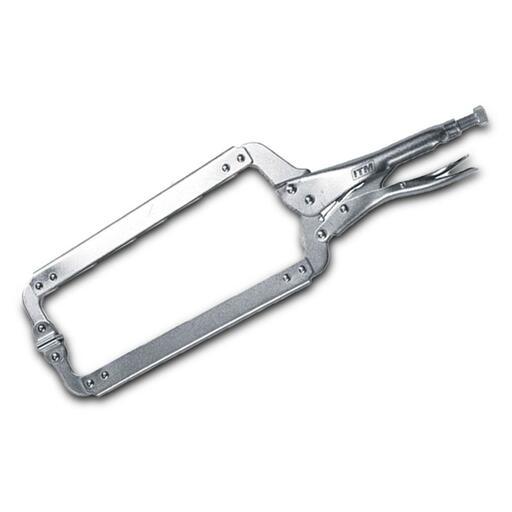
Once adjusted, locking pliers clamp down and stay locked until you release them. That means you do not have to keep squeezing the handles while you work. Long nose locking pliers help reach tight spaces, while sheet metal locking pliers are shaped to grip flat panels during fabrication or repair.









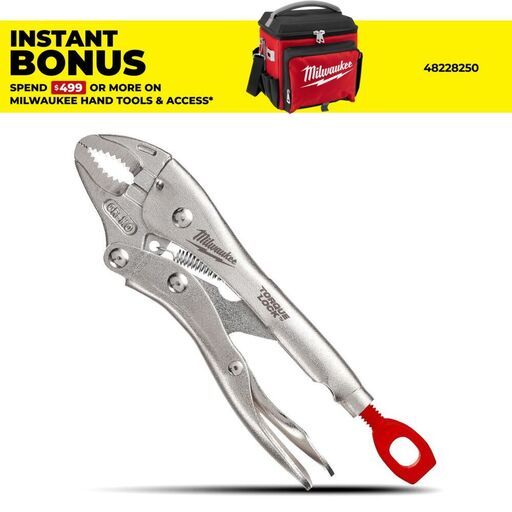

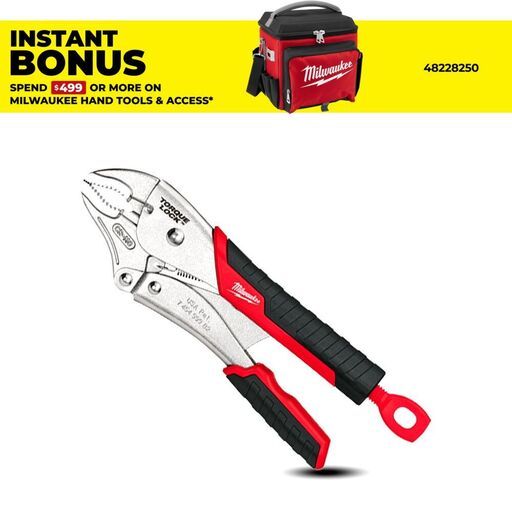


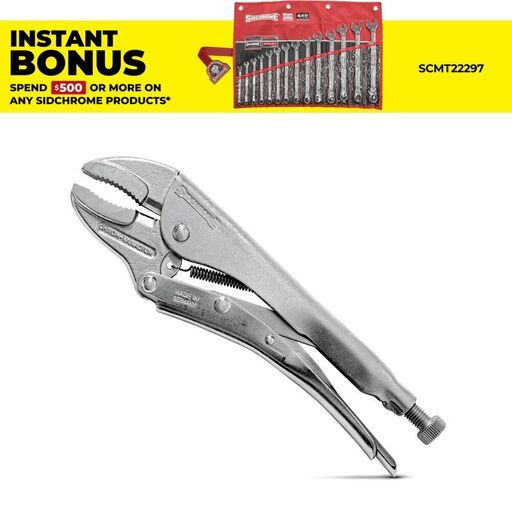
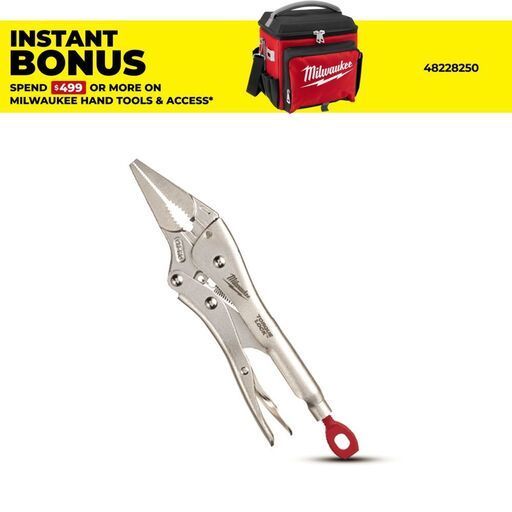




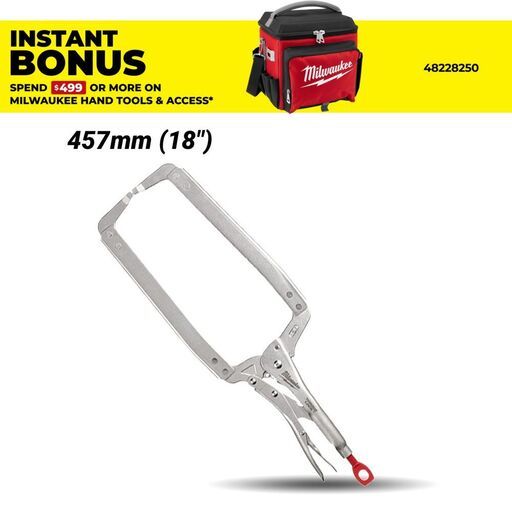
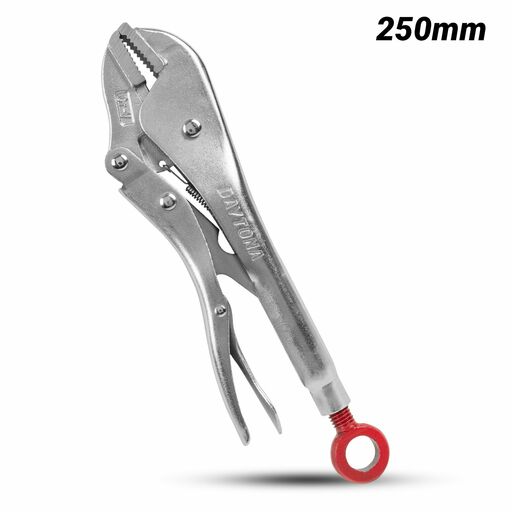


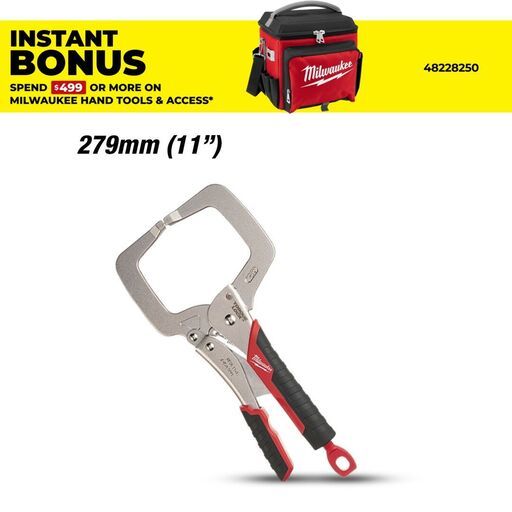
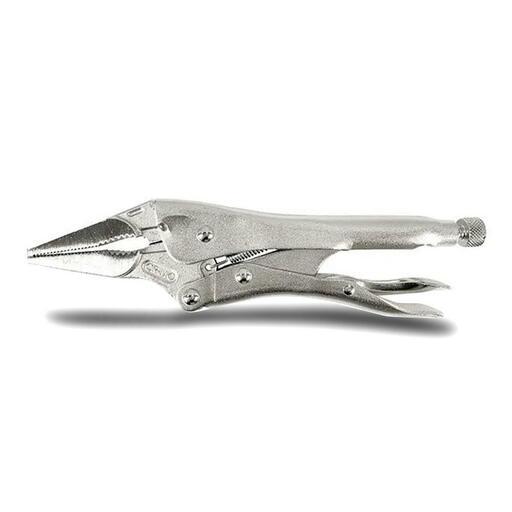
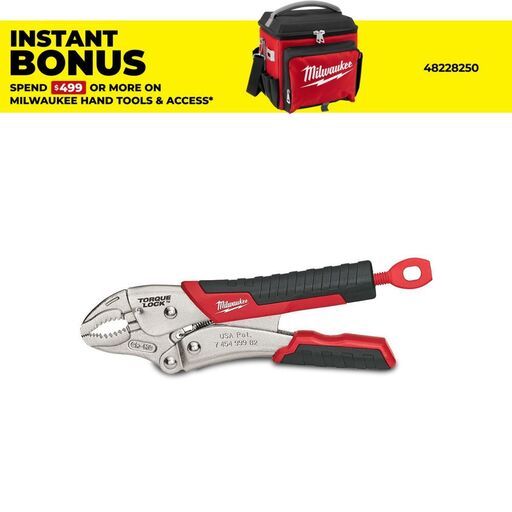


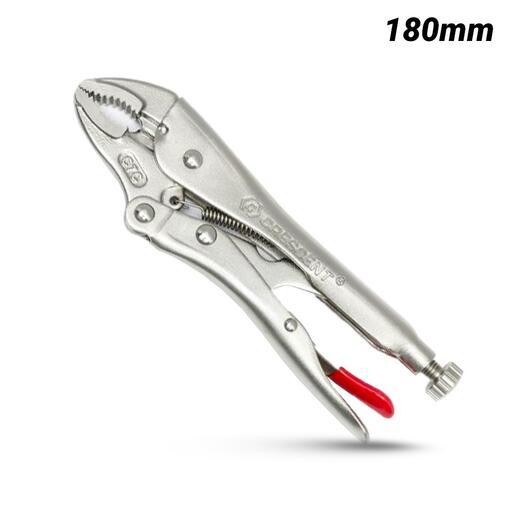
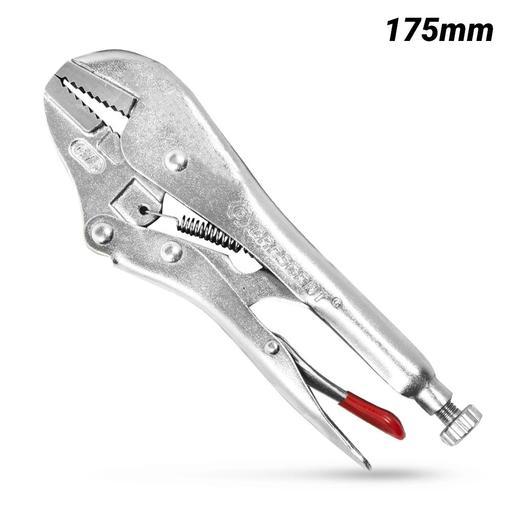


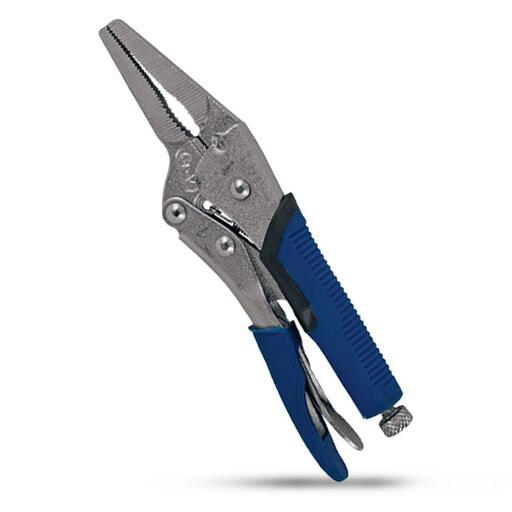



Why Locking Pliers Matter
Some jobs just need a grip that holds firm. Locking pliers clamp onto a part and maintain pressure without constant hand force. That makes them useful when loosening stubborn fasteners, lining up parts, or holding materials while drilling or welding.
In automotive repairs, that extra grip can make a job much easier. Once the jaws lock in place, the tool holds steady while you focus on the work.
A suitable pair of locking pliers helps you:
- Clamp parts securely during repairs
- Grip stubborn or rounded fasteners
- Hold components steady while drilling or welding
- Reach confined spaces with long nose locking pliers
- Secure flat materials with sheet metal locking pliers
They suit automotive repair, fabrication work, panel fitting, and general workshop jobs.
Key Design and Functional Features
Adjustable clamping pressure
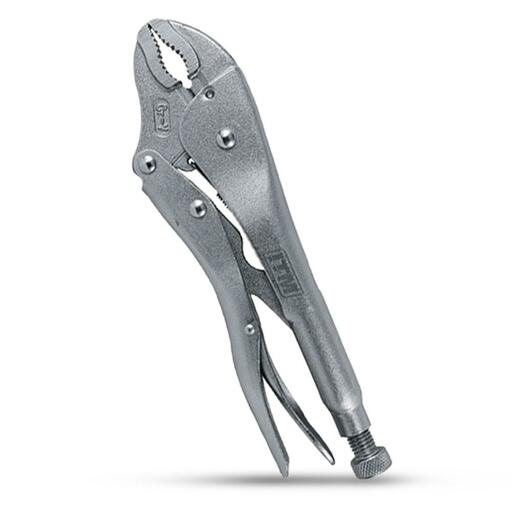
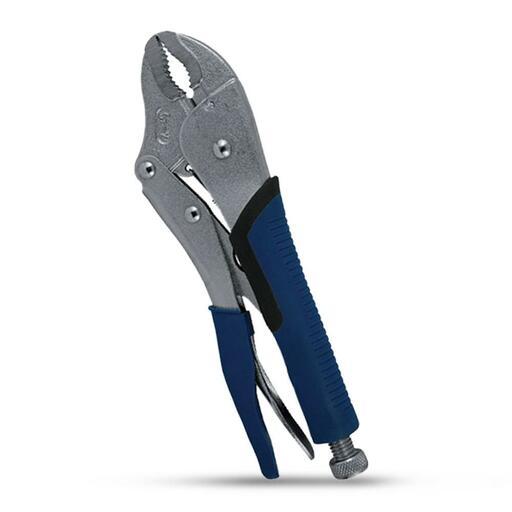
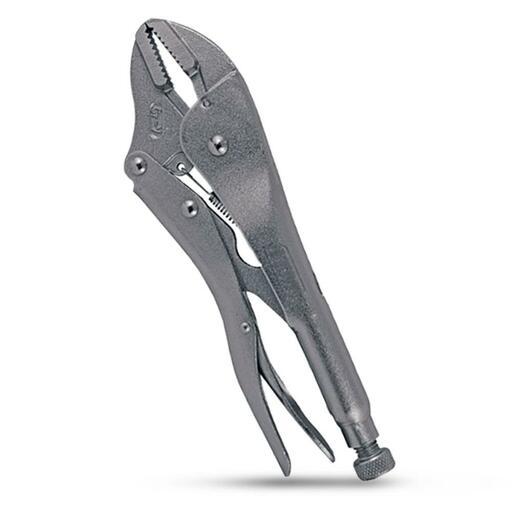
An adjustment screw lets you set the jaw width and grip strength for different materials.
Jaw style options
Straight jaws suit flat surfaces, while curved jaws grip round or irregular components.
Specialised profiles
Long nose locking pliers reach tight areas, while sheet metal locking pliers clamp flat panels.
Serrated gripping surfaces
Textured jaws help maintain a strong hold on smooth or worn parts.
Sturdy build
Heavy-duty hinges and hardened steel ensure the tool can take the pounding it gets in the average workshop.
Locking pliers are often used in combination with plier sets, combination pliers, long nose pliers, and multigrip water pump pliers when gripping and tweaking a variety of parts.
Safe Use and Maintenance Tips
Proper assembly can ensure the tool works correctly.
- Adjust the jaw spacing prior to tightening the pliers
- Use only as much pressure as the job requires
- Do not squeeze softer materials
- Remove fingers when releasing the lock
- Regularly check the adjustment screw and pivot point
Clean the tool after use to remove grease or debris. A drop of oil on the pivot will help keep the action working smoothly. Store locking pliers in a dry, organised area to avoid damage to the moving parts.
Why Buy Locking Pliers from Sydney Tools
Sydney Tools has many locking pliers to suit your automotive and workshop needs. Whether you need long nose locking pliers for tight spaces or sheet metal locking pliers for fabrication, there is a tool to help with your job.
You will find:
- A useful selection of locking pliers
- Long nose locking pliers for restricted access
- Sheet metal locking pliers for panel work
- Robust construction for workshop environments
- Good value for money online and in-store
- Friendly advice from our experienced team
With the right locking pliers in your toolbox, gripping and clamping jobs become much easier to manage.
FAQs
How do I decide between straight-jaw and curved-jaw locking pliers for different automotive jobs?
Straight jaws work well on flat surfaces, while curved jaws grip round or uneven shapes more securely.
What adjustment techniques help maintain grip without crushing softer materials like aluminium or sheet metal?
Adjust the screw gradually and use only enough pressure to hold the material firmly.
Can locking pliers substitute as temporary clamps during light-duty fabrication without alignment issues?
Yes, they are frequently utilised to temporarily hold workpieces during setup or fabrication processes.
How does the pattern of jaw serration affect grip on smooth versus knurled components?
Finer serrations maintain a firm grip on smooth parts; deeper serrations may enhance grip on knurled or textured components.
Are there application-specific locking plier designs for brake, suspension or exhaust work?
Yes, certain shapes are designed to access and hold specific automotive components.
What indicators show the adjustment screw or locking mechanism is losing reliability?
If the jaws slip or the pliers fail to hold pressure, the mechanism may need attention.
How should I protect painted or finished surfaces when using locking pliers nearby?
Place a protective layer between the jaws and the surface.
Is there a benefit to locking pliers with quick-release levers in repetitive tasks?
Quick-release designs make repeated clamping and releasing faster.
What storage practices help preserve locking action and prevent corrosion on moving parts?
Keep them clean, dry, and lightly lubricated where needed.
How do I keep jaw alignment on locking pliers with repeated heavy-duty use?
Check the pivot and jaws regularly and do not apply excessive force outside of the tool's intended use. Find Locking Pliers Today Get a firm grip on the job.
Find the Right Locking Pliers Today
Explore the full range of locking pliers online or visit your local Sydney Tools store for hands-on help and reliable workshop tools.


