
Login
Login
- Popular Categories
- Shop By Brand
- Tool Accessories
- Air Compressor
- Hand Tools
- Laser Levels
- Mechanical Workshop
- Pressure Washers
- Welding
- Chainsaws
- Lawn Mowers
- Whipper Snippers
- Categories
- Adhesives & Sealants
- Air Tools
- Diamond Tools
- Fans
- Fasteners
- Generators
- Ladders
- Lubricants & Chemicals
- Power Garden
- Safety Equipment
- Scaffold
- Silica Dust Solutions
- Storage
- Test - Measure - Locate
- Transportation & Lifting
- Vacuum & Dust Extractors
- Water Pumps
Mechanical Workshop / Engine & Drivetrain / Bearing Separators
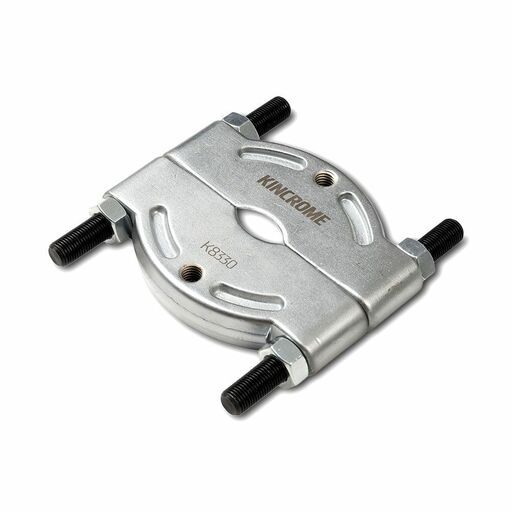
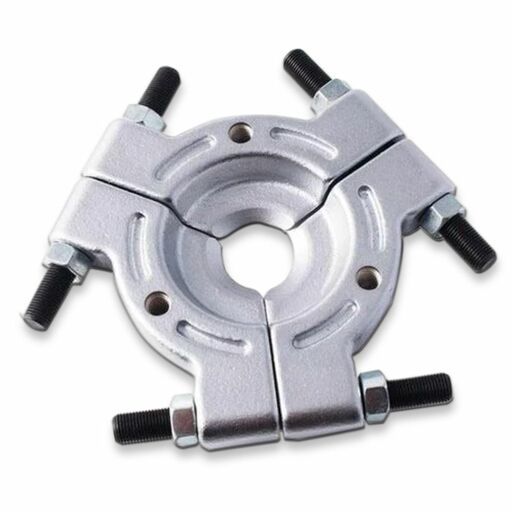
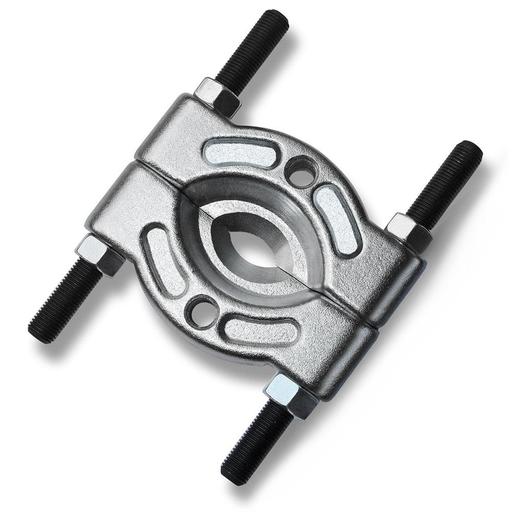
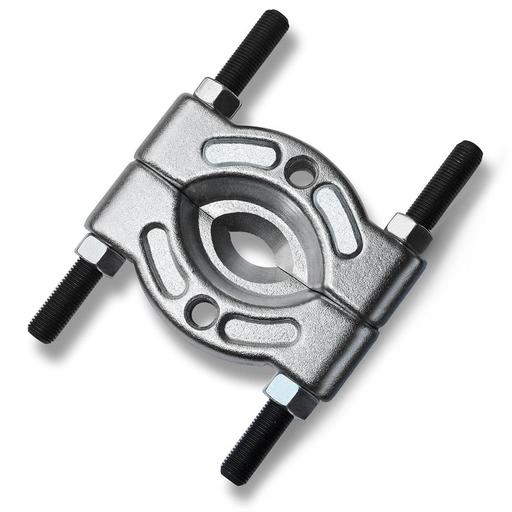
A bearing separator is one of those tools that brings control back into a job that can otherwise turn rough very quickly. When bearings, gears, pulleys, or other pressed components need to come off a shaft, forcing them with pry bars or hammers often causes damage. A proper bearing splitter applies pressure evenly, allowing parts to be removed cleanly without stressing shafts, housings, or the component itself.
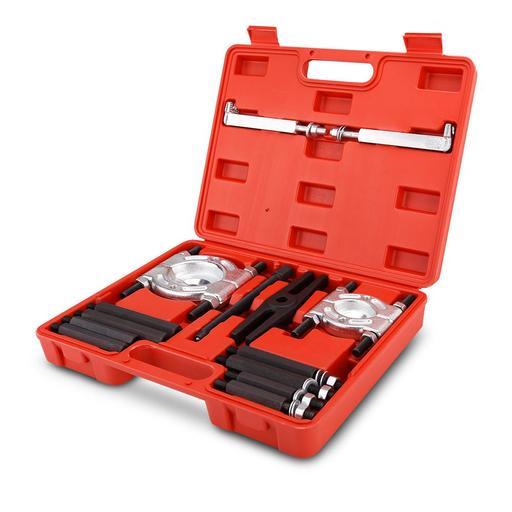
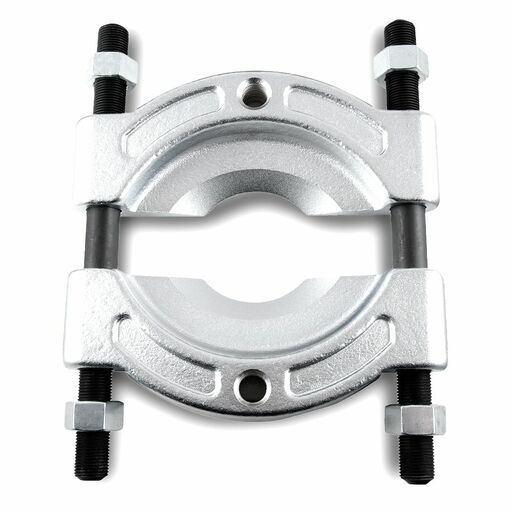
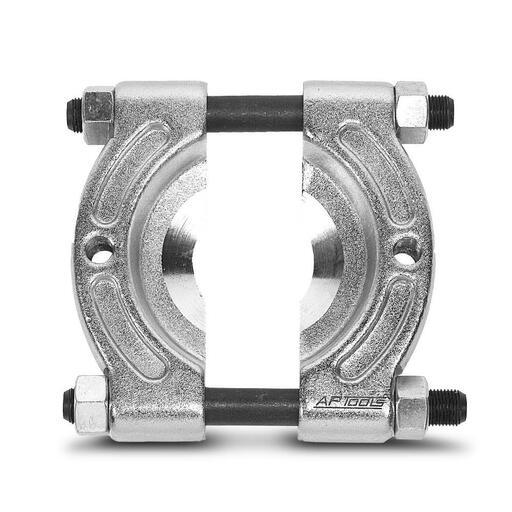
A bearing separator kit works by sliding behind the bearing or gear and pulling it off square, rather than levering from one side. That even pull makes a big difference, especially where clearances are tight or parts are seated firmly. Whether you are dismantling an assembly for repair or salvaging components for reuse, a bearing splitter kit helps keep disassembly controlled, predictable, and far less risky.






Why Using the Right Bearing Separator Matters
Removing pressed components is all about balance and alignment. Using the wrong tool, or tightening unevenly, can mark shafts, crack housings, or damage parts that were otherwise serviceable. The right bearing separator grips evenly and pulls straight, reducing the chance of distortion or sudden release.
A quality separator also saves time. Instead of fighting seized parts or dealing with collateral damage, you can focus on clean removal and accurate reassembly. That means fewer replacements, less rework, and a smoother workflow overall.
A proper bearing separator helps you:
- Remove bearings, gears, and pulleys evenly
- Protect shafts and surrounding components
- Reduce the risk of cracking or scoring
- Avoid unnecessary part replacement
- Work more safely and predictably
They suit home mechanics, rebuilders, and professional workshops where controlled disassembly matters.
Key Features and Specifications to Check
Jaw size and range
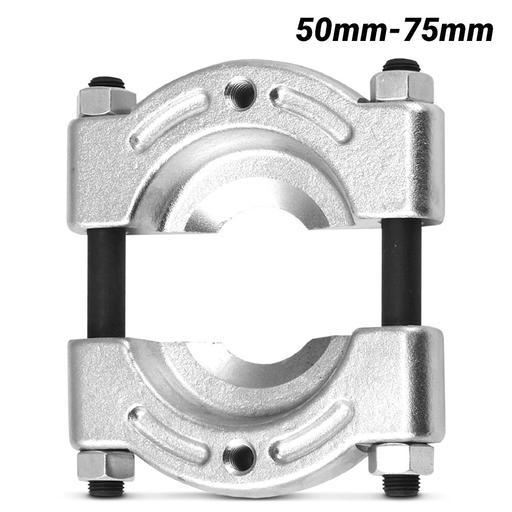
Check the minimum and maximum diameter the separator can handle. A good range allows one tool to cover multiple bearing sizes.
Bolt-through design
Evenly spaced bolts help apply straight, balanced pressure. This reduces the risk of skewed pulls or slipping during removal.
Build strength
Hardened steel construction resists flex under load and holds alignment when working on tight or stubborn components.
Thickness and clearance
Slim separator halves fit behind bearings or gears that sit close to housings or shoulders.
Adaptability
Many tools are designed to work as part of a bearing splitter kit, pairing with puller arms or forcing screws for controlled removal.
Application range
Some separators suit bearings only, while others work just as well on pulleys or gears. Always check intended use.
Supporting equipment
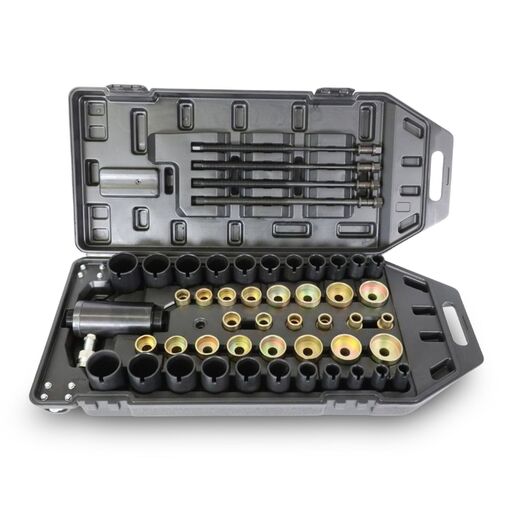
Controlled removal often works best alongside tools such as a ball joint separator, press & pull sleeve kits, or solid breaker bars for steady, even force.
Safe Use and Maintenance Advice
Good setup is the key to safe removal.
- Secure the shaft or assembly firmly before starting
- Position the separator squarely behind the component
- Make sure the jaws sit flush and evenly
- Tighten bolts gradually and in sequence
- Watch alignment as pressure is applied
- Remove the component slowly once it breaks free
After use, clean the separator jaws and threads. Check for bending, wear, or damaged edges before storing. Keep the tool dry and protected, and avoid using it outside its rated size range or load capacity.
Why Buy Bearing Separators from Sydney Tools
Sydney Tools offers bearing separators built for real mechanical and automotive work. Clear size ranges and specifications make it easier to choose the right bearing separator or bearing splitter kit without guessing.
You can expect:
- Professional-grade bearing separators and kits
- Hardened steel construction for reliable pulling force
- Options for tight-clearance and heavy-duty jobs
- Compatibility with common puller systems
- Competitive pricing online and in store
- Helpful advice from experienced staff
Whether you are tackling a single repair or regular teardown work, the right bearing separator makes removal cleaner, safer, and far less stressful.
FAQs
What happens if a bearing separator is tightened unevenly?
Uneven tightening can cause the separator to slip or pull crooked, increasing the risk of damage.
Are slim-jaw separators better for tight spaces?
Yes. Thinner jaws fit more easily behind bearings close to housings or shoulders.
How can I stop a component slipping during removal?
Ensure the jaws sit flat and tighten bolts evenly. Recheck alignment before applying full load.
What should I do if the separator starts to flex?
Stop immediately. Flexing suggests the tool is overloaded or undersized for the job.
Should shafts be inspected after removal?
Yes. Always check for scoring or wear before reassembly.
Do fine-thread bolts offer better control?
They can. Fine threads allow more gradual pressure application.
Can a separator help protect heat-sensitive components?
Yes. Controlled pulling reduces the need for heat or impact.
What tools help with stubborn removals?
Puller arms, press & pull sleeve kits, and breaker bars all help maintain control.
How do I know if the separator size is correct?
The jaws should fully support the component without forcing or overreaching.
How should bearing separators be stored?
Clean, dry, and protected to prevent corrosion and jaw damage.
Find the Right Bearing Separator Today
Remove bearings and pressed components with confidence. Browse the full range of bearing separators and bearing splitter kits online or visit your nearest Sydney Tools store for practical advice and dependable workshop solutions.


