
Login
Login
- Popular Categories
- Shop By Brand
- Tool Accessories
- Air Compressor
- Hand Tools
- Laser Levels
- Mechanical Workshop
- Pressure Washers
- Welding
- Chainsaws
- Lawn Mowers
- Whipper Snippers
- Categories
- Adhesives & Sealants
- Air Tools
- Diamond Tools
- Fans
- Fasteners
- Generators
- Ladders
- Lubricants & Chemicals
- Power Garden
- Safety Equipment
- Scaffold
- Silica Dust Solutions
- Storage
- Test - Measure - Locate
- Transportation & Lifting
- Vacuum & Dust Extractors
- Water Pumps
Mechanical Workshop / Adjustable Wrenches
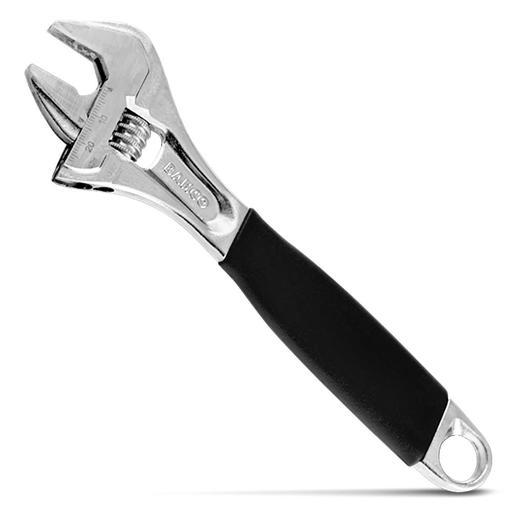
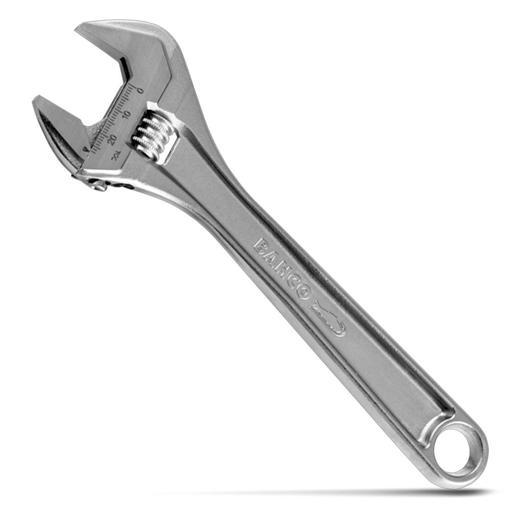
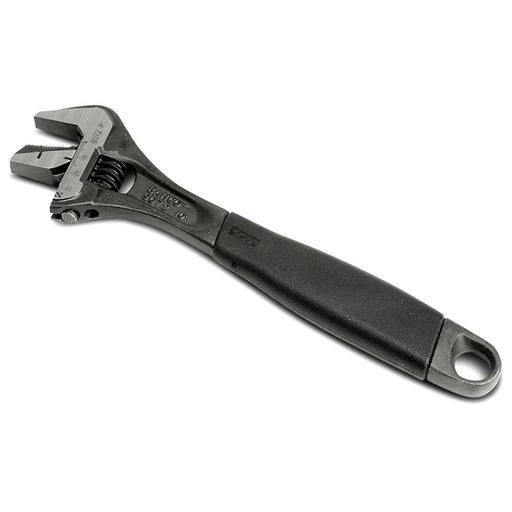
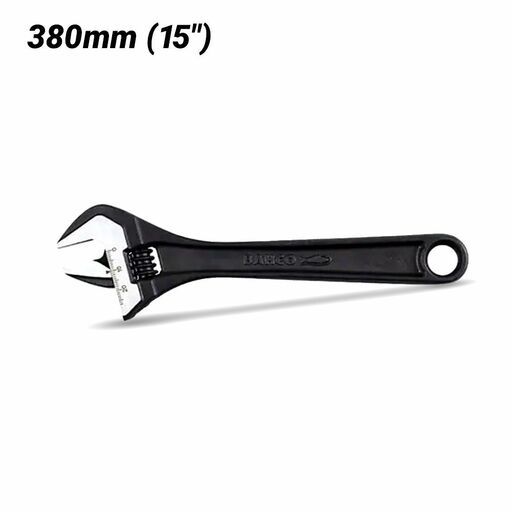
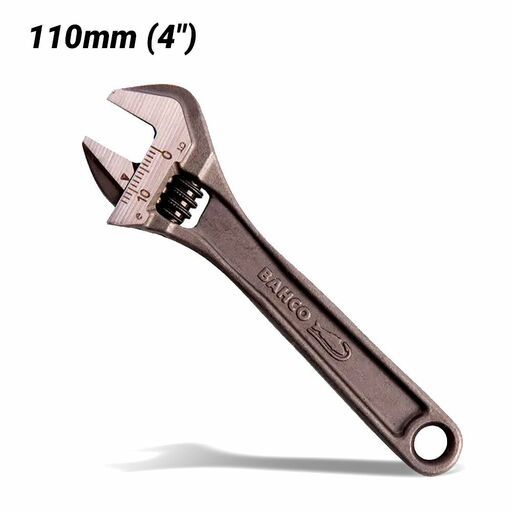
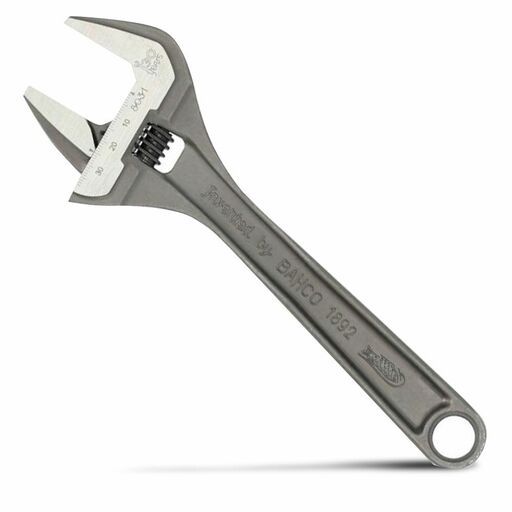
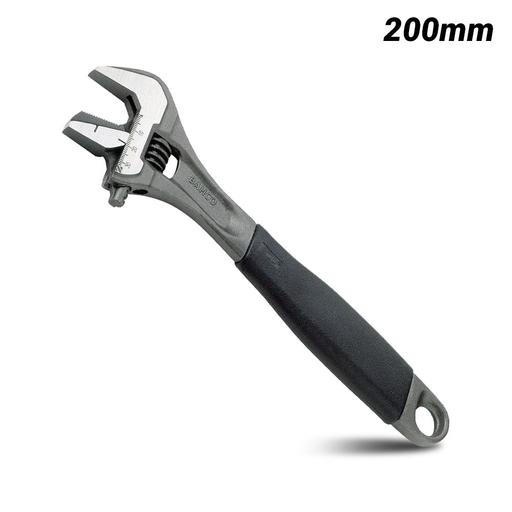
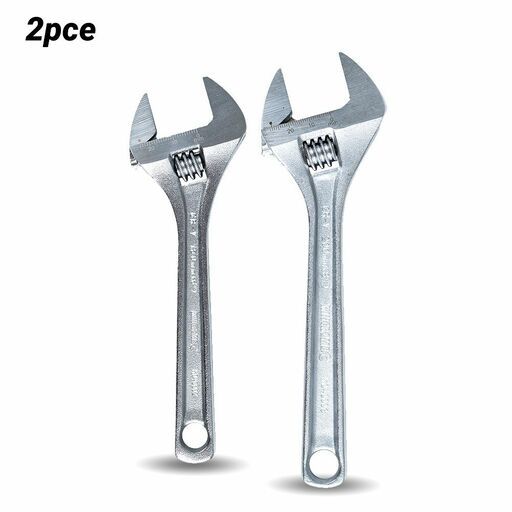
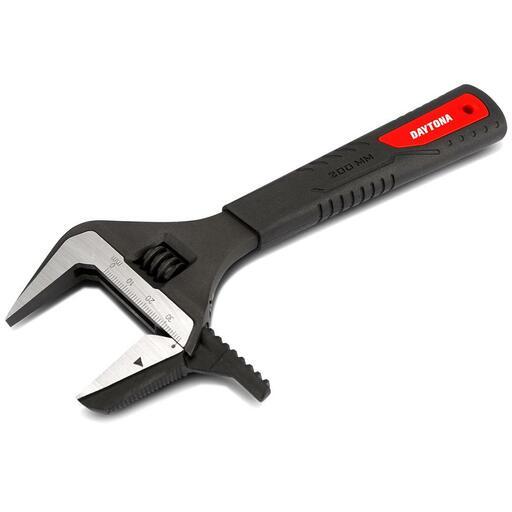
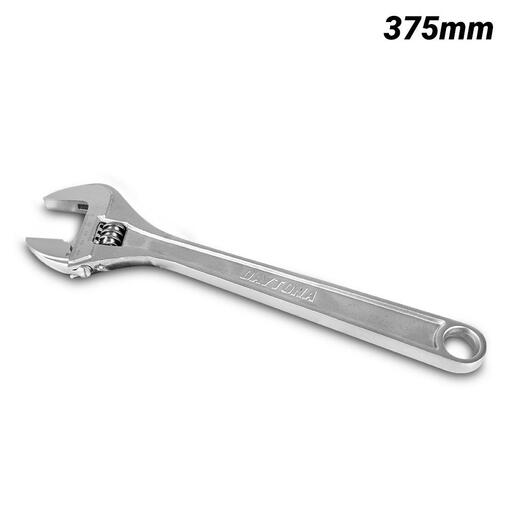
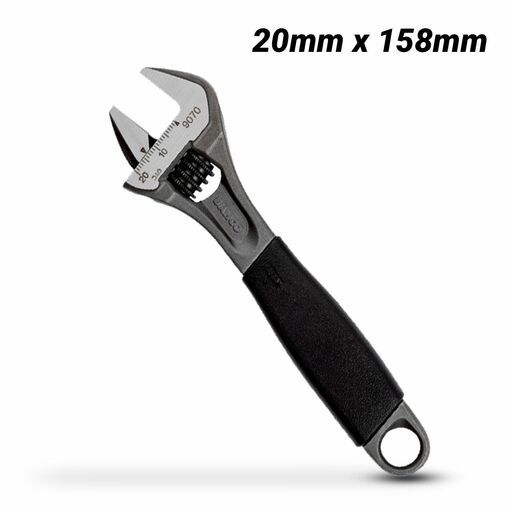
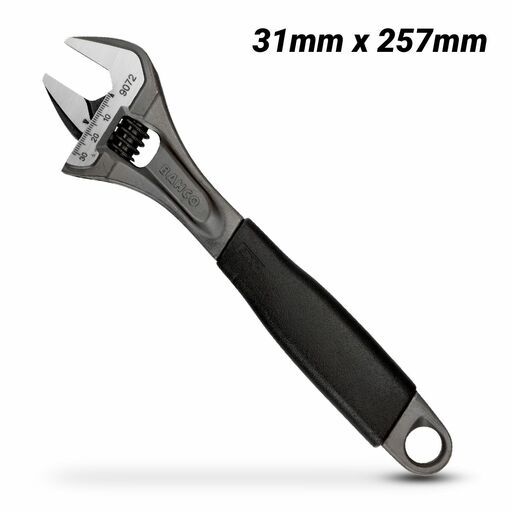
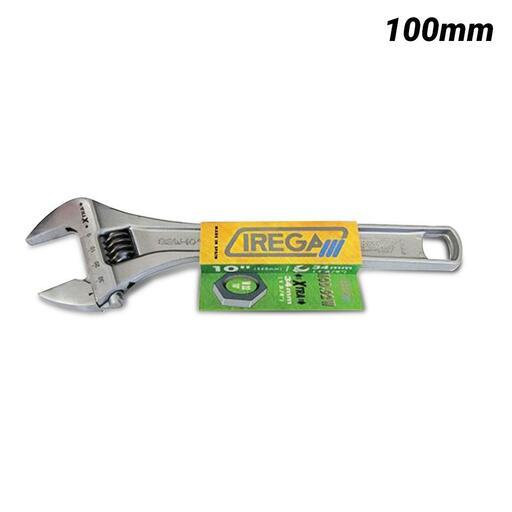
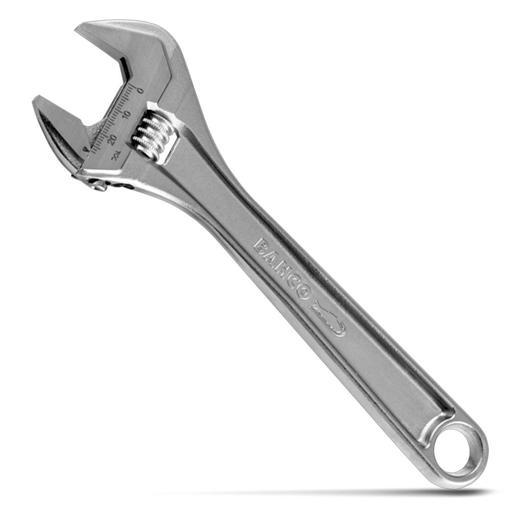
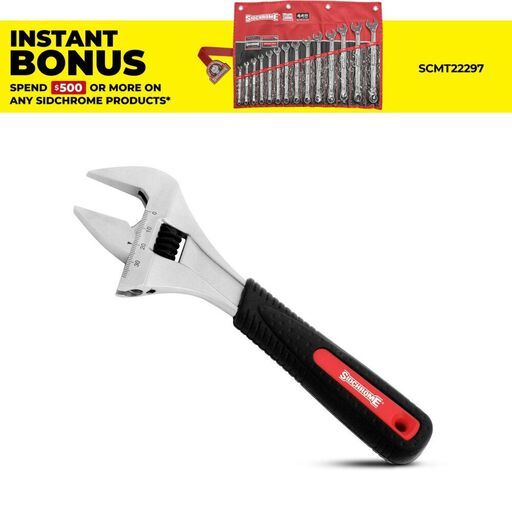
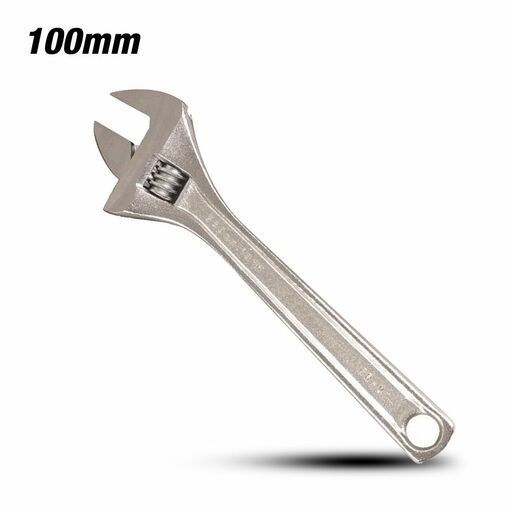
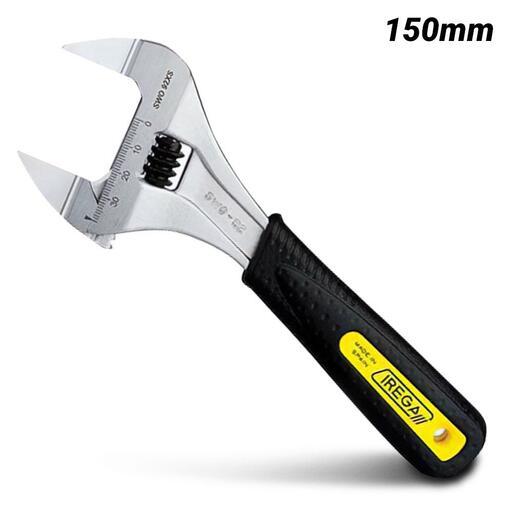
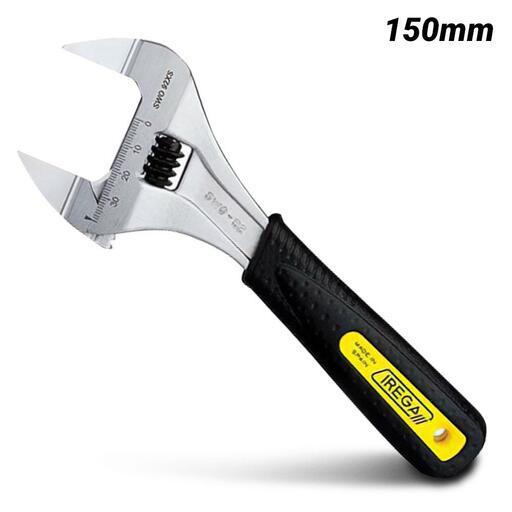
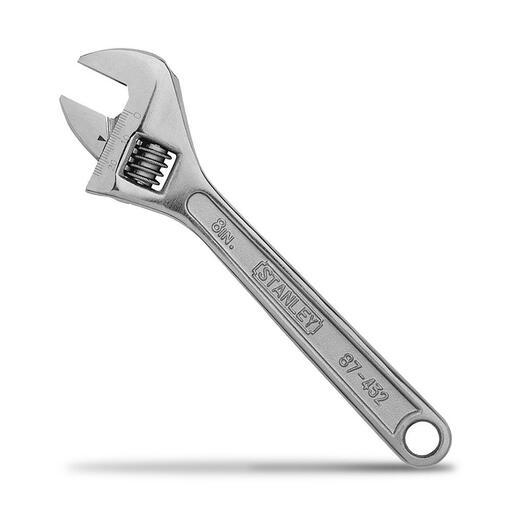
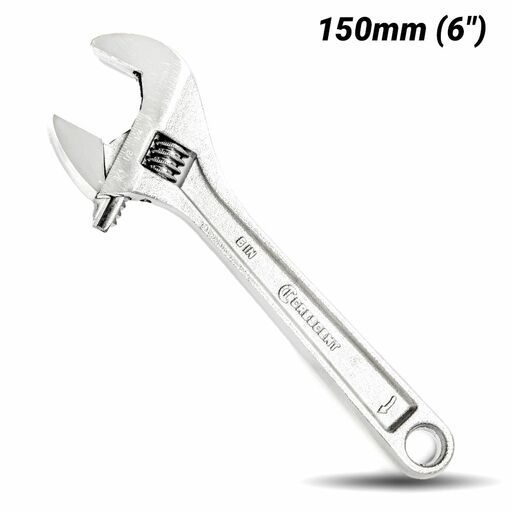
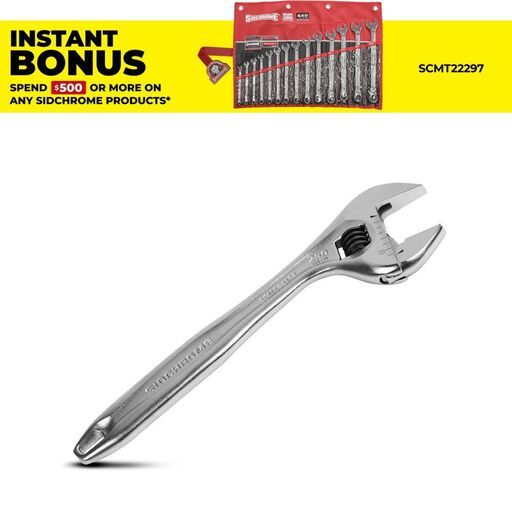
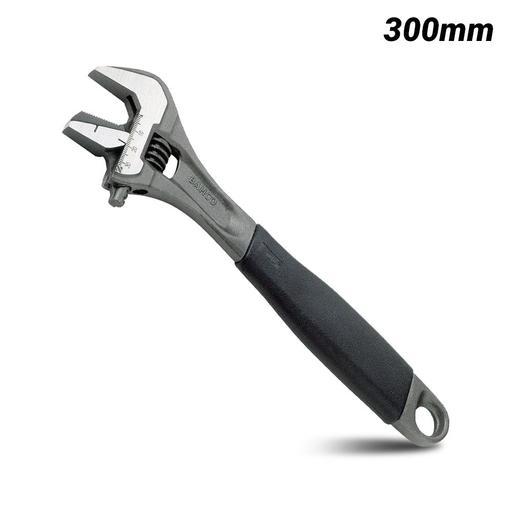
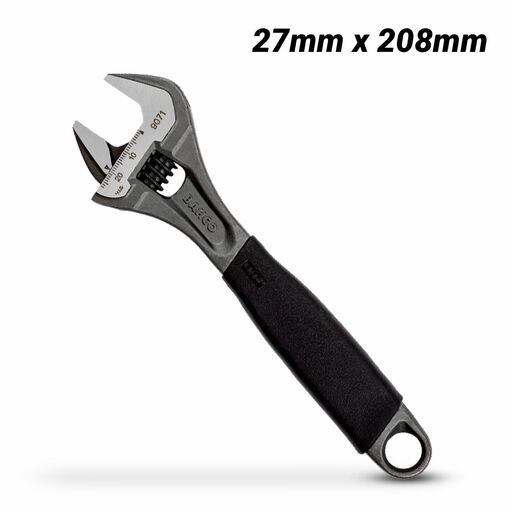
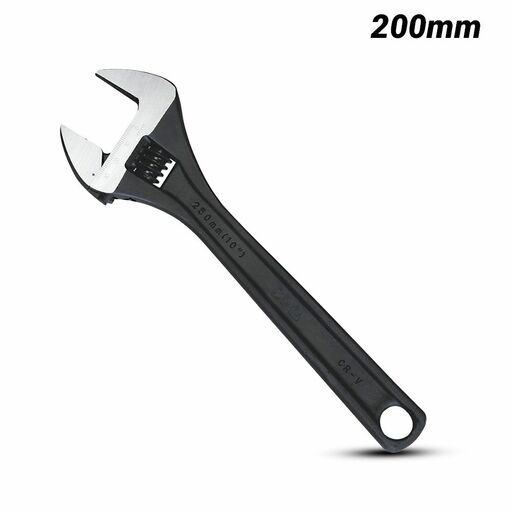
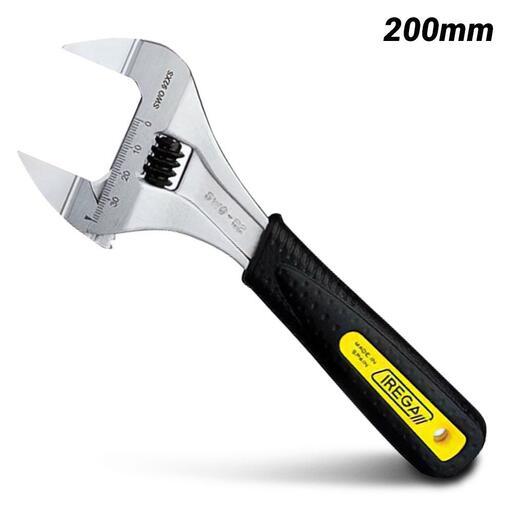
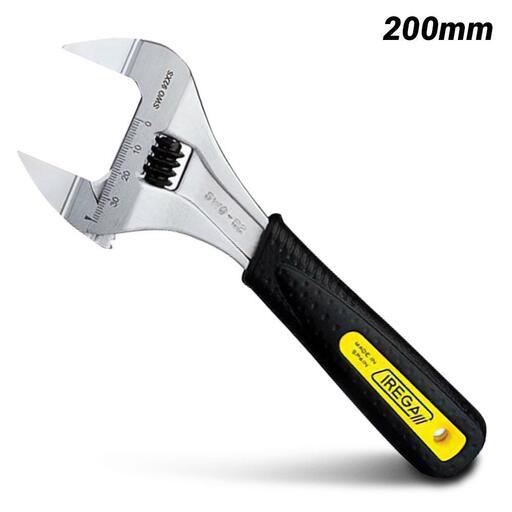
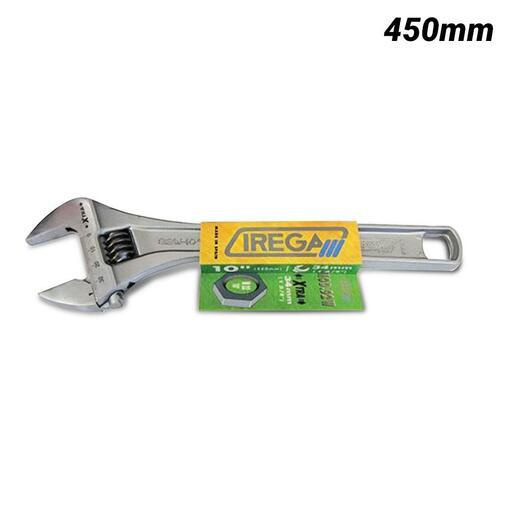
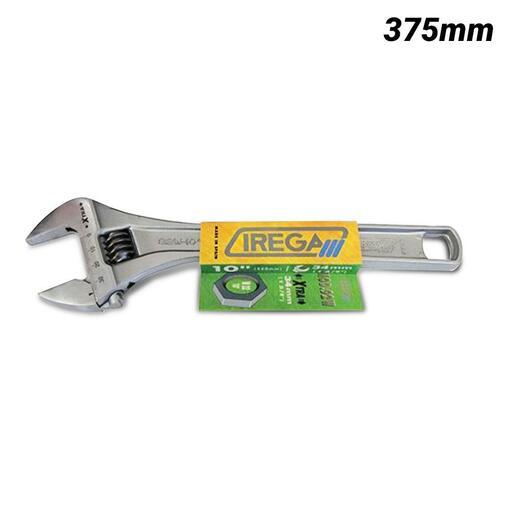
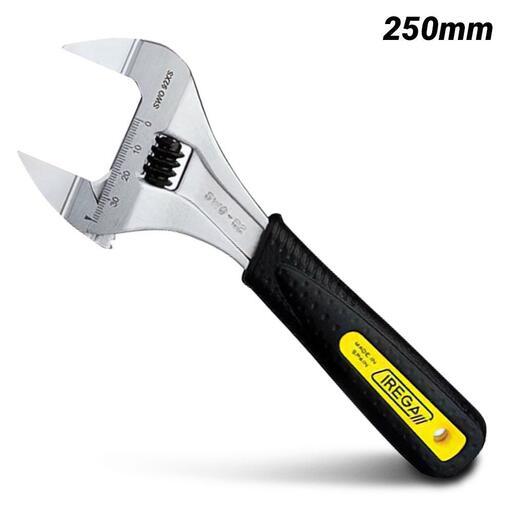
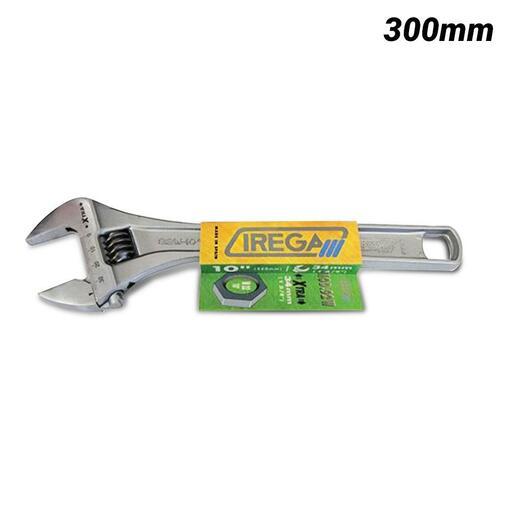
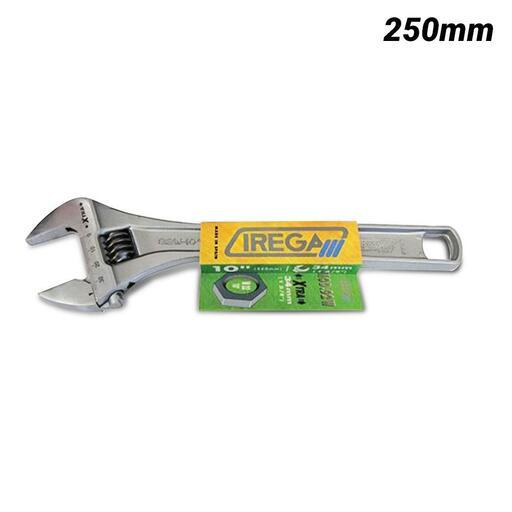
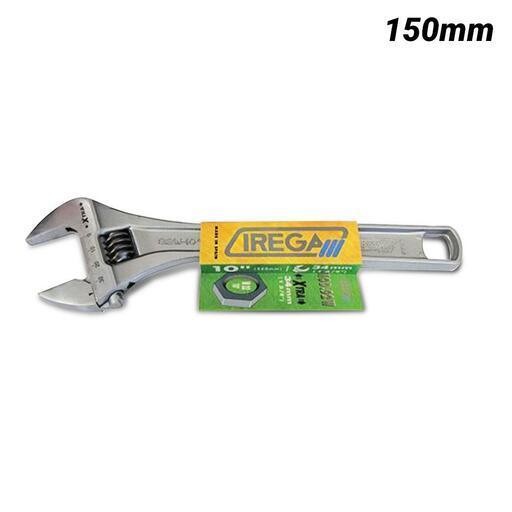
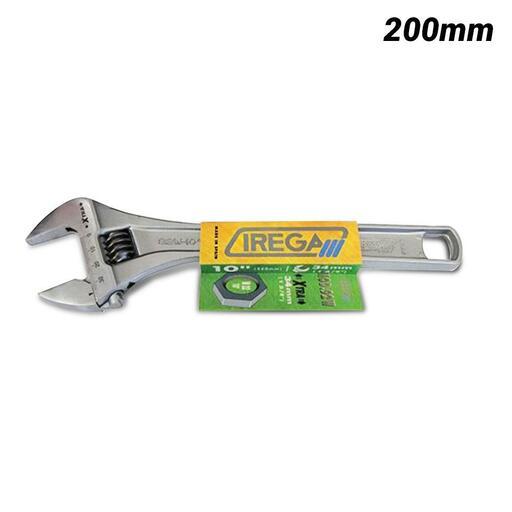
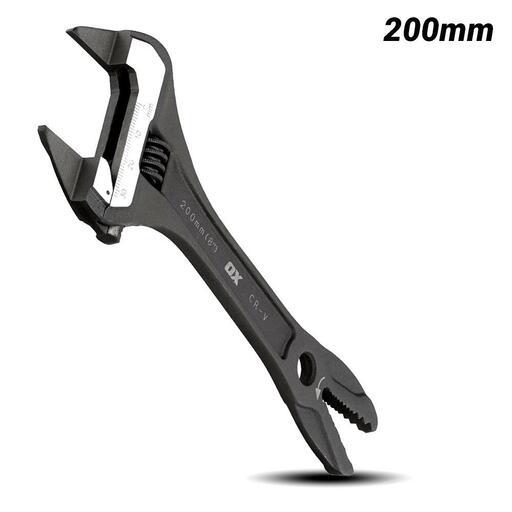
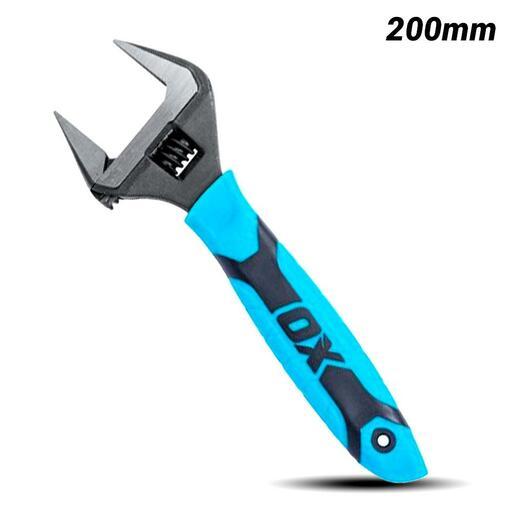
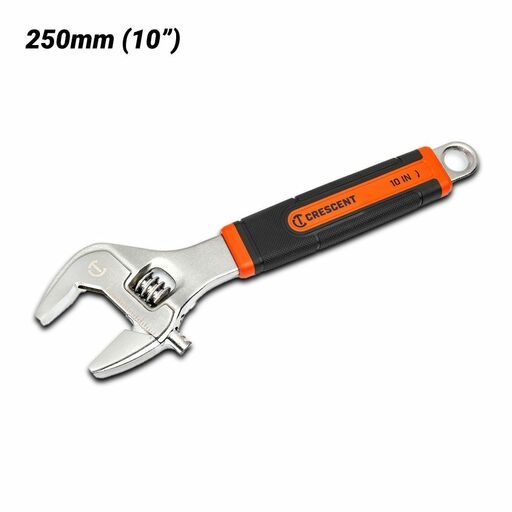
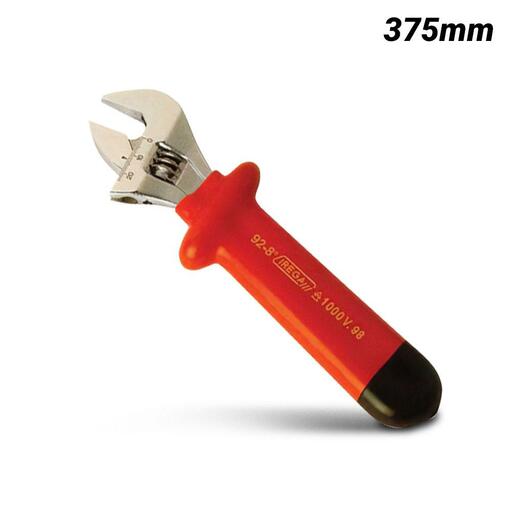
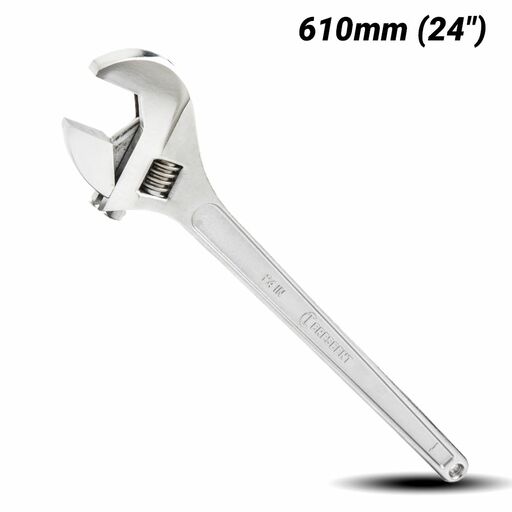
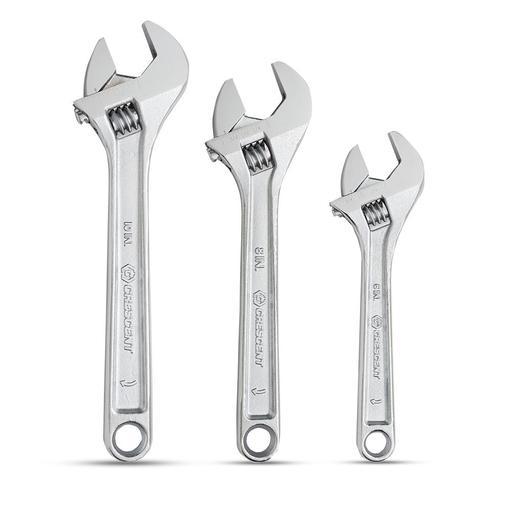
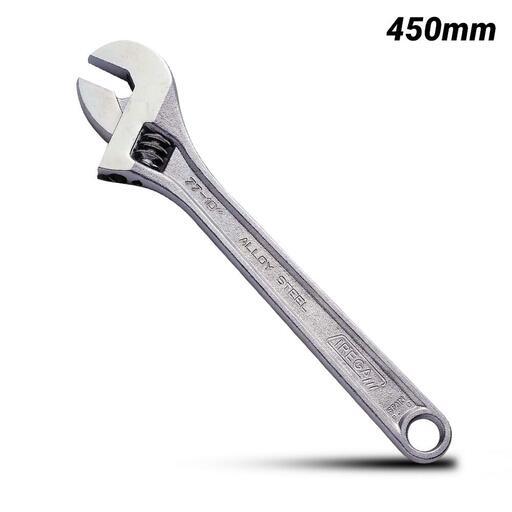
Adjustable wrenches are versatile mechanics’ hand tools featuring an adjustable jaw that can be set to fit a wide range of fastener sizes. This flexibility makes them especially useful in automotive and workshop environments where the exact spanner size may not be immediately available or where fastener sizes vary across components. Adjustable spanner wrenches or adjustable shifter are commonly used for loosening or tightening nuts and bolts during repairs, assembly work, and general maintenance, particularly when access or space changes between tasks.













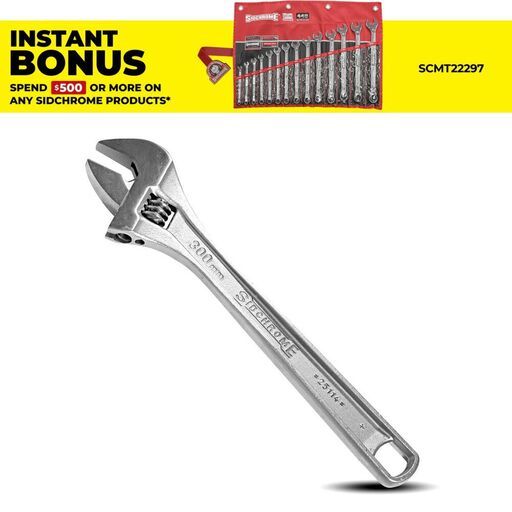
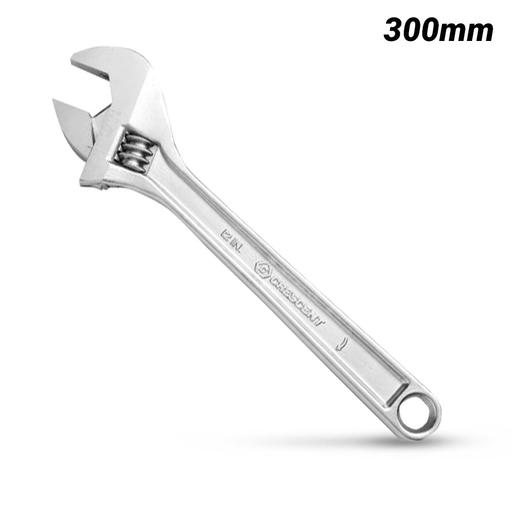
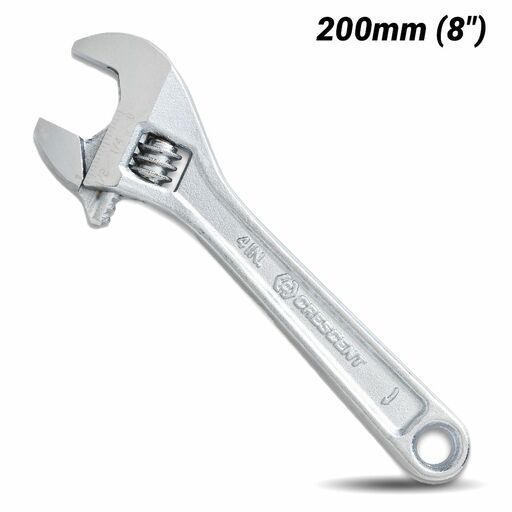


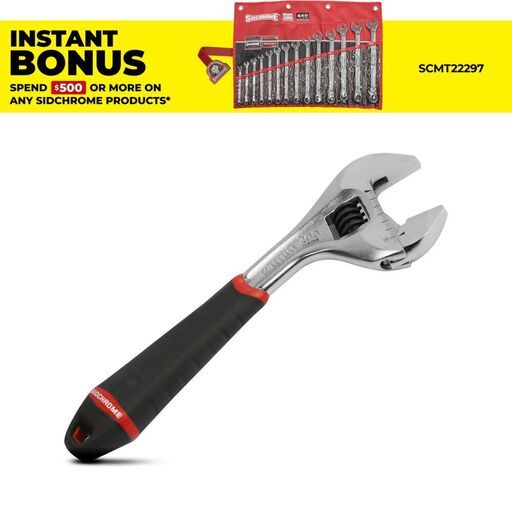



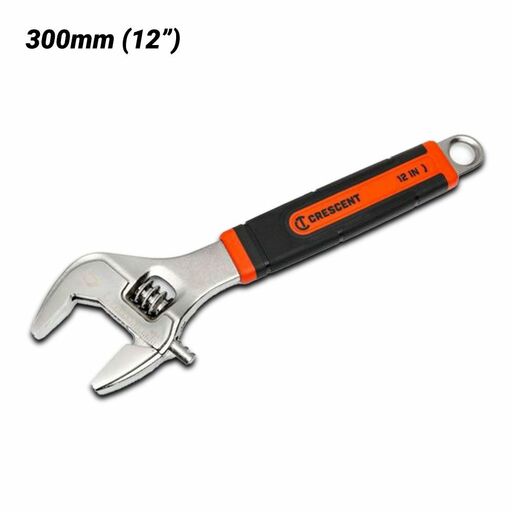
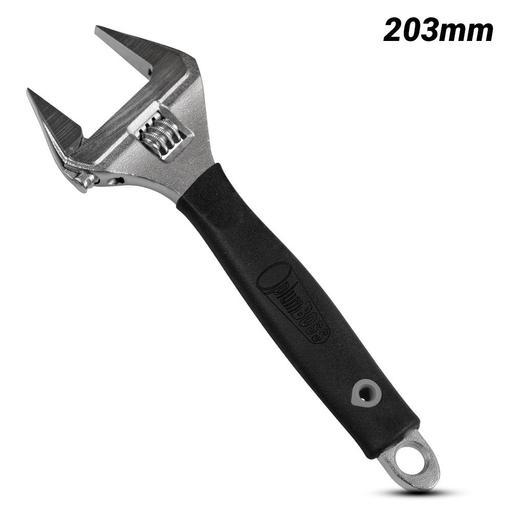

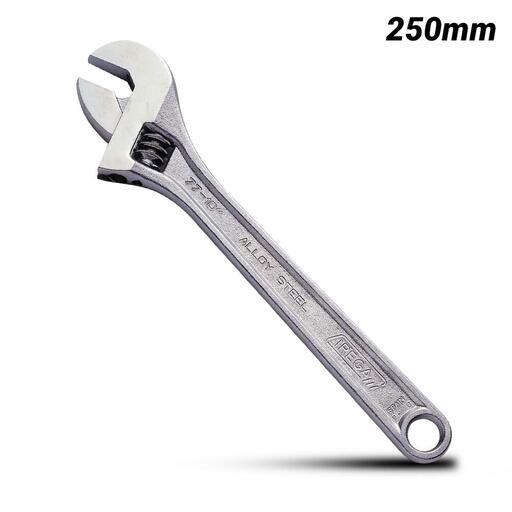


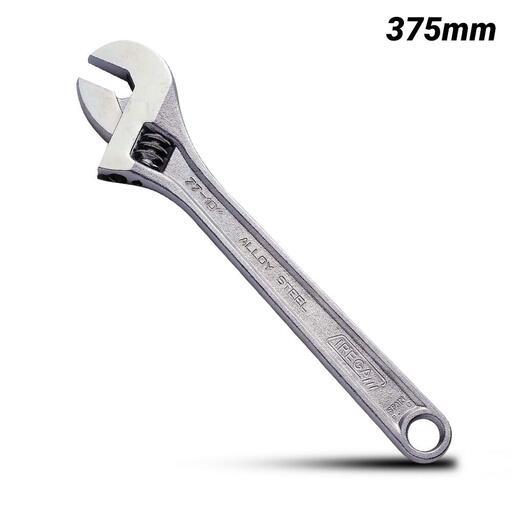

Why Choosing the Right Adjustable Wrench Matters
Selecting a well-made adjustable wrench is essential for safe and efficient work. A quality wrench maintains accurate jaw alignment and fits snugly on fasteners, reducing slippage and helping prevent rounding of nuts and bolts. This improves efficiency across general repairs, assembly tasks, and quick adjustments during automotive servicing, while also protecting both the tool and the fastener from damage.
Key Features & Performance Points
- Jaw capacity: The range of fastener sizes the wrench can accommodate, which determines its versatility.
- Scale or size markings: Useful for quick and repeatable jaw adjustment.
- Adjustment wheel smoothness: A precise, easy-to-turn mechanism allows fast, accurate sizing.
- Material and finish: Strong steel construction with corrosion-resistant finishes ensures durability in workshop conditions.
- Handle comfort and grip: Ergonomic designs improve control and reduce hand fatigue.
- Tool balance and weight: A well-balanced wrench is easier to control, especially during extended use.
- Size range availability: Having a set of adjustable wrenches from small to large increases usefulness for automotive tasks involving multiple fastener sizes.
Safe Use & Care Suggestions
- Always adjust the jaw so it fits snugly on the fastener before applying force.
- Where possible, pull the wrench toward you rather than pushing, as this provides better control and reduces the risk of slipping.
- Do not exceed the wrench’s maximum jaw capacity, as this can damage both the tool and the fastener.
- Keep the adjustment mechanism clean and lightly lubricated, wipe the wrench after use to remove grease or debris, and store it in a dry toolbox to prevent corrosion and premature wear.
Why Buy Adjustable Wrenches from Sydney Tools
Here at Sydney Tools we offer a wide range of adjustable wrenches suited to automotive, mechanical and general trade use. We also have a selection of cobination ring & spanner sets, crow foot wrenches, or even open and ring combination spanner wrenches all to assist in automotive and mechanical work. Clear product specifications detail jaw capacity, materials, and construction quality, helping customers make informed choices. With competitive pricing, trusted professional brands, a broad selection of sizes, and knowledgeable in-store or online support, Sydney Tools makes it easy to select the right adjustable wrench for any task.
Frequently Asked Question (FAQs)
How accurate are jaw measurement markings on adjustable wrenches in real use?
Jaw markings are helpful as a reference but should not be relied on as exact measurements.
Can adjustable wrenches be safely used on soft or plated fasteners?
They can be used with care, but a snug fit and steady pressure are essential. For delicate or highly finished fasteners, fixed-size spanners may reduce the risk of marking.
Do adjustable wrenches lose jaw alignment over time with frequent use?
Well-made adjustable wrenches maintain alignment longer when used within their capacity and properly maintained.
Are adjustable wrenches suitable for torque-sensitive automotive applications?
They are best suited for general fastening rather than precise torque work. For torque-critical applications, a torque wrench or fixed-size spanner is recommended.
How does jaw width affect access in confined engine or suspension areas?
Slimmer jaw profiles provide better access in tight spaces, while wider jaws may limit reach despite higher capacity.
Are short-handle adjustable wrenches better for precision work than longer models?
Yes. Short-handle wrenches offer greater control and are less likely to apply excessive force, making them suitable for precision or light-duty tasks.
Can adjustable wrenches be used effectively with gloves on?
Yes, especially models with ergonomic or textured handles, though fine adjustments may take slightly longer with thick gloves.
What signs indicate an adjustable wrench has reached the end of its service life?
Excessive jaw play, slipping under load, damaged adjustment threads, or cracked handles are signs the wrench should be replaced.
Are adjustable wrenches appropriate for occasional roadside repairs?
Yes. Their versatility makes them a practical choice for emergency or roadside tool kits where carrying multiple spanners isn’t practical.
How does tool weight impact control during prolonged use?
Heavier wrenches can cause fatigue over time, while overly light tools may lack stability. A well-balanced wrench offers the best control for extended tasks.
Find the Right Adjustable Wrench for the Job
Explore the full range of adjustable shifter and adjustable spanner wrench options online, or visit your nearest Sydney Tools store location to handle them in person and get practical advice. Build a toolkit that adapts as quickly as your work does, with tools designed for real automotive conditions.


