
Login
Login
- Popular Categories
- Shop By Brand
- Tool Accessories
- Air Compressor
- Hand Tools
- Laser Levels
- Mechanical Workshop
- Pressure Washers
- Welding
- Chainsaws
- Lawn Mowers
- Whipper Snippers
- Categories
- Adhesives & Sealants
- Air Tools
- Diamond Tools
- Fans
- Fasteners
- Generators
- Ladders
- Lubricants & Chemicals
- Power Garden
- Safety Equipment
- Scaffold
- Silica Dust Solutions
- Storage
- Test - Measure - Locate
- Transportation & Lifting
- Vacuum & Dust Extractors
- Water Pumps
Air Tools / Sandblasters
Sandblasters: Efficient Surface Preparation Tools
Sandblasters, also known as abrasive blasting equipment, are essential tools used to clean, smooth, or etch surfaces by propelling abrasive materials against them at high velocities. This process effectively removes contaminants, old coatings, and prepares surfaces for painting or other treatments.
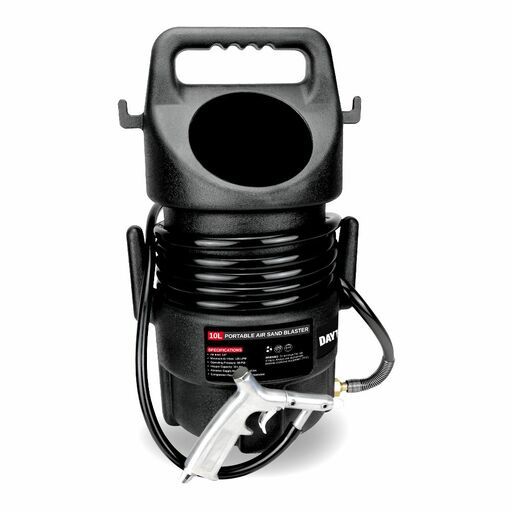
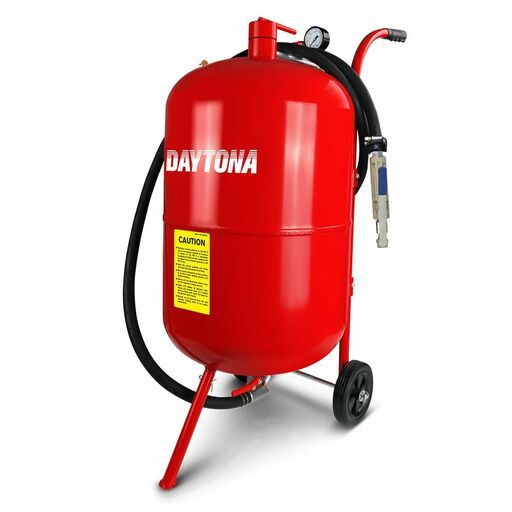


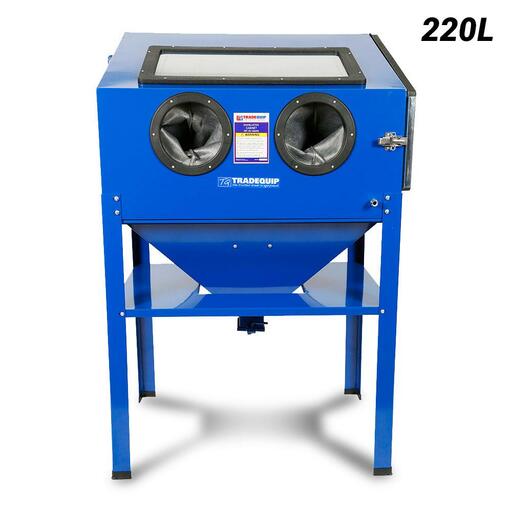
Key Features of Sandblasters:
- Versatile Applications: Sandblasters are used for cleaning, stripping, and surface preparation across various industries.
- Efficiency: The high-pressure abrasive stream quickly removes oils, paints, and contaminants, preparing surfaces for subsequent treatments.
- Surface Compatibility: Sandblasting is safe for many surfaces, including metal, wood, concrete, stone, and glass, making it a versatile choice for diverse projects.
Benefits of Using Sandblasters:
- Time and Cost Efficiency: Sandblasting cleans and smooths surfaces quickly, saving time and reducing labour costs compared to manual methods.
- Enhanced Surface Preparation: It effectively removes rust, old paint, and other contaminants, ensuring better adhesion of new coatings.
- Environmental Considerations: Modern sandblasting techniques, such as wet abrasive blasting, reduce airborne dust, minimising environmental impact and health risks.
Frequently Asked Questions (FAQs) about Sandblasters:
Q1: What materials can be effectively cleaned or prepared using sandblasters?
- A1: Sandblasters are effective on various materials, including metals, wood, concrete, stone, and glass. The choice of abrasive media and technique can be adjusted based on the material and desired outcome.
Q2: How does sandblasting compare to other surface preparation methods?
- A2: Sandblasting offers a faster and more uniform surface preparation compared to manual methods like scraping or wire brushing. It efficiently removes contaminants and prepares surfaces for coatings, providing a better bond and finish.
Q3: What safety precautions should be taken when operating a sandblaster?
- A3: Operators should wear appropriate personal protective equipment (PPE), including goggles, gloves, and respiratory protection. Ensuring proper ventilation and following manufacturer guidelines are also crucial for safe operation.
Q4: Can sandblasting be used for removing paint from delicate surfaces?
- A4: Yes, sandblasting can remove paint from delicate surfaces when appropriate abrasive media and pressure settings are used. Techniques like bead blasting with fine media can clean without damaging the underlying material.
Q5: Is sandblasting environmentally friendly?
- A5: Traditional dry sandblasting can produce dust and environmental concerns. However, modern methods like wet abrasive blasting use water to suppress dust, making the process more environmentally friendly.
Q6: How do I choose the right sandblasting equipment for my needs?
- A6: Consider factors such as the size of the project, the materials involved, required portability, and the type of abrasive media suitable for your application. Consulting with equipment suppliers or professionals can help in selecting the appropriate sandblaster.
For a comprehensive selection of sandblasting equipment and accessories, visit Sydney Tools in-store or explore our online range.


