
Login
Login
- Popular Categories
- Shop By Brand
- Tool Accessories
- Air Compressor
- Hand Tools
- Laser Levels
- Mechanical Workshop
- Pressure Washers
- Welding
- Chainsaws
- Lawn Mowers
- Whipper Snippers
- Categories
- Adhesives & Sealants
- Air Tools
- Diamond Tools
- Fans
- Fasteners
- Generators
- Ladders
- Lubricants & Chemicals
- Power Garden
- Safety Equipment
- Scaffold
- Silica Dust Solutions
- Storage
- Test - Measure - Locate
- Transportation & Lifting
- Vacuum & Dust Extractors
- Water Pumps
Tool Accessories / Router Bits
Router bits are cutting tools used with a router, a power tool designed to hollow out or shape various materials such as wood, plastic, or soft metals. The fundamental function of router bits is to cut, shape, and finish edges, grooves, and profiles in these materials.


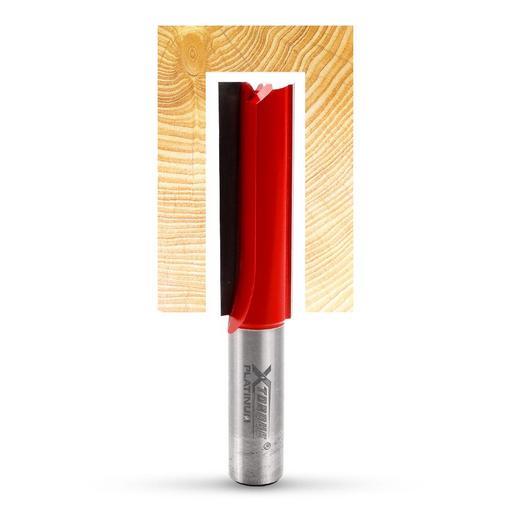

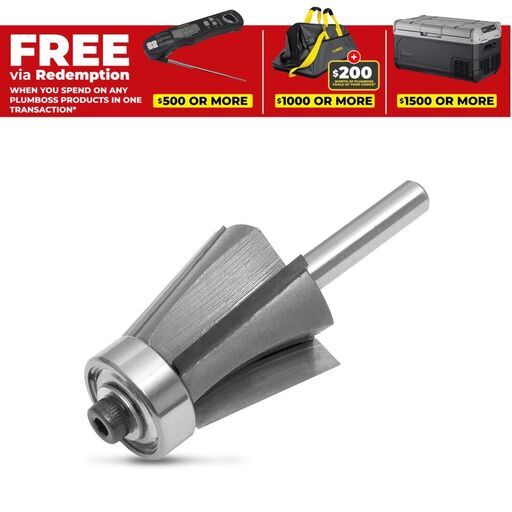
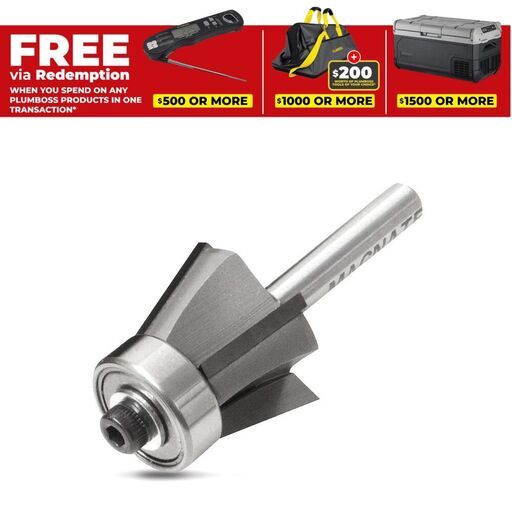

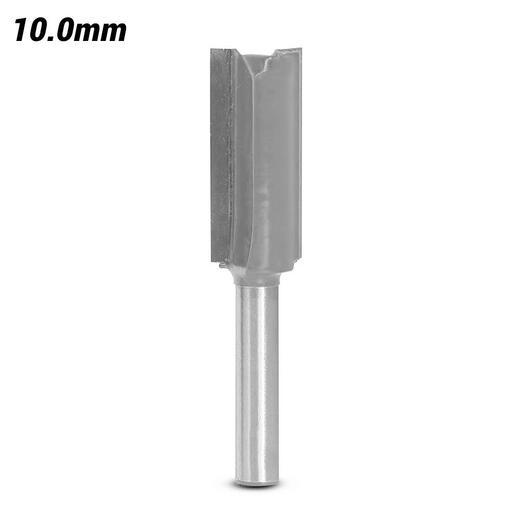
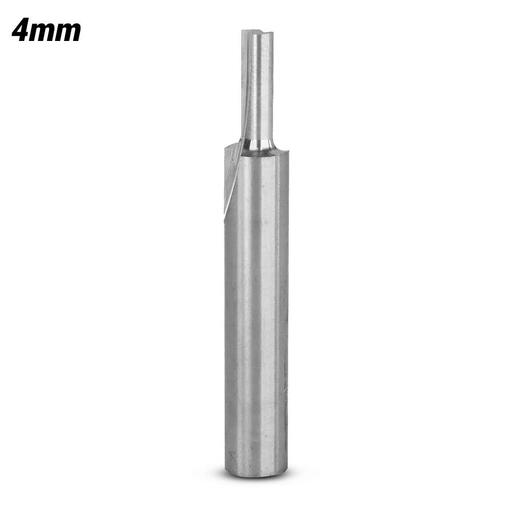
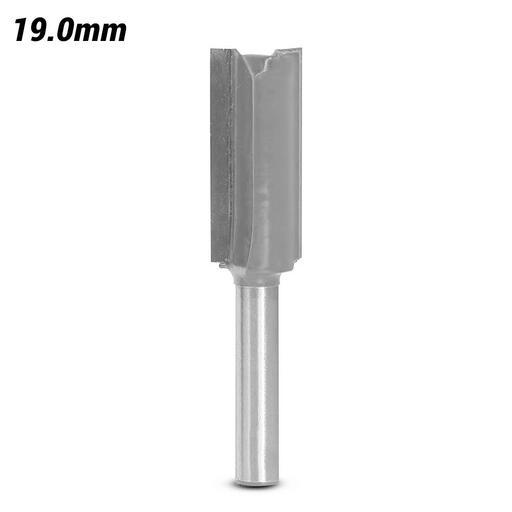

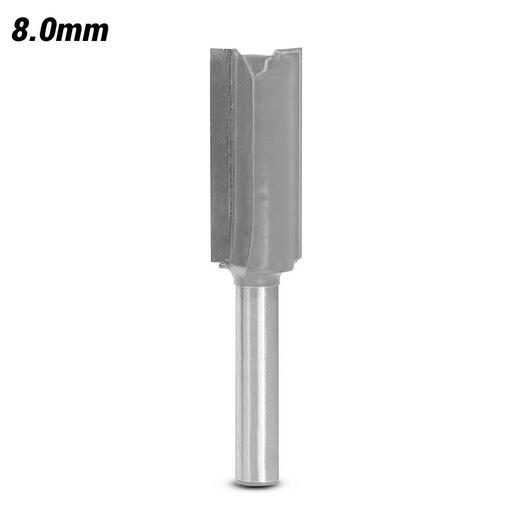

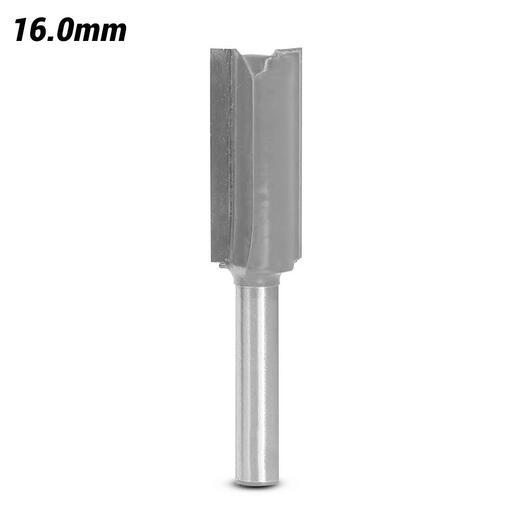
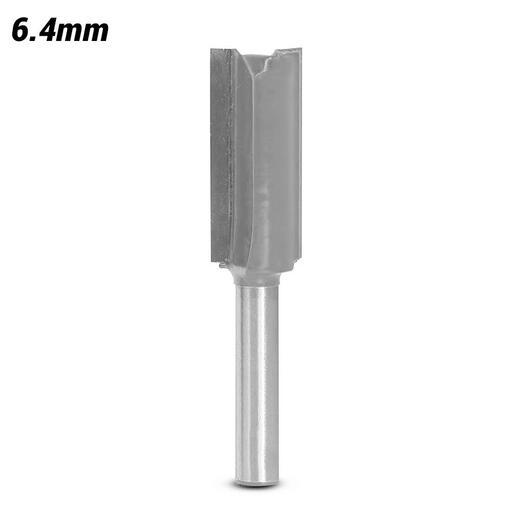
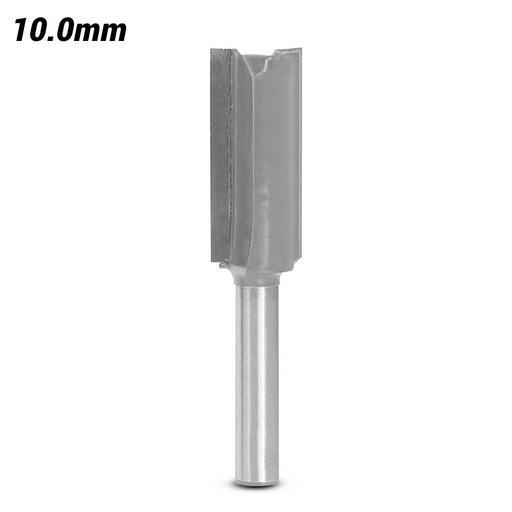

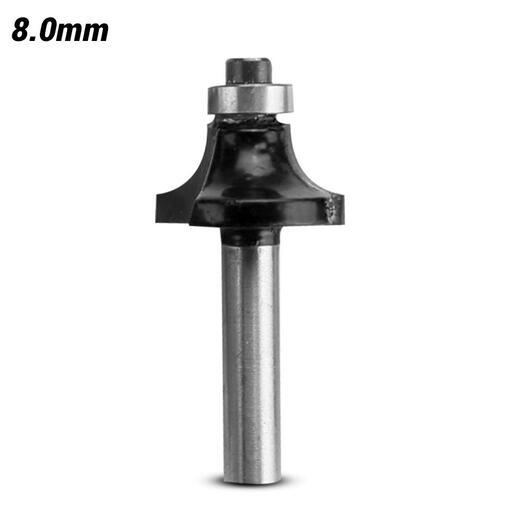
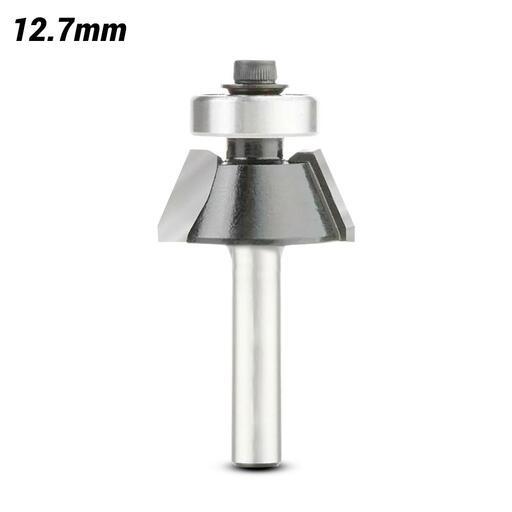


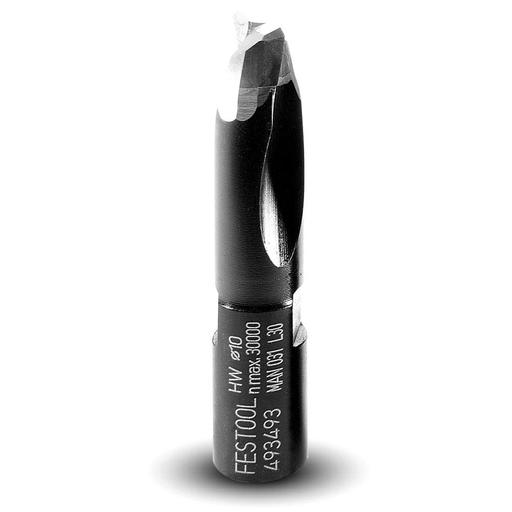

Types of Router Bits
There are various types of router bits, from cutting shapes to applications.
- Straight Bits
- Shape: Cylindrical with a flat cutting edge at the bottom.
- Use: Cutting straight, flat-bottomed grooves, rabbets, mortises, and plunge cuts.
- Common Application: Shelving joints, inlays, and dadoes.
- Chamfer Bits
-
- Shape: Angled cutting edge, usually 45° or adjustable.
- Use: Cutting bevelled edges or decorative angled cuts.
- Common Application: Creating decorative edge treatments or bevels for joinery.
- Roundover Bits
-
- Shape: Rounded cutting edge with a bearing guide.
-
- Use: Softening and rounding sharp edges.
-
- Common Application: Furniture edges, tabletops, and mouldings for a smooth, finished look.
- Cove Bits
-
- Shape: Concave, semi-circular cutting edge.
-
- Use: Cutting inward-curving profiles along edges.
-
- Common Application: Decorative moulding and trim work.
- Ogee Bits
-
- Shape: S-shaped profile combining a concave and convex curve.
-
- Use: Creating classical decorative edge profiles.
-
- Common Application: Cabinet doors, furniture edges, and framework
.
- Flush Trim Bits
-
- Shape: Straight cutting edge with a bearing that matches the cutter’s diameter.
-
- Use: Trimming material flush to a template or another surface.
-
- Common Application: Template routing, veneer trimming, and laminate work.
- Profile Bits
- Shape: Combinations of curves, angles, and steps.
- Use: Creating complex edge designs or mouldings.
- Common Application: Custom millwork, furniture detailing, and architectural trim.
Benefits of Using Quality Router Bits
High-quality router bits will provide many advantages that enhance both safety and quality of your work. For instance,
Clean and Precise Cuts - Sharp and well manufactured but provides accuracy and consistency.
Smooth Finishes - Reduces need for excessive sanding or finishing.
Durability - Premium materials allow better resistance to heat and wear.
Long Lifespan - High-quality bits stay sharp and retain their shape longer.
Reduced Risk and Kickback - Ensure stable operations at high speed and lower vibrations, giving better control.
Better for the Router - Quality bits reduce strain on your router motor.
Materials and Construction
Router bits are made from various materials, each with specific performance abilities. The two most common materials are High-Speed Steel (HSS) and Carbide-Tipped.
High-Speed Steel (HSS)
- Material: A form of tool steel that retains hardness at high temperatures.
- Features:
- Less expensive and easier to sharpen.
- Softer than carbide—dulls more quickly.
- Best For:
- Softwoods, plastics, and light-duty tasks.
- Hobbyists or occasional use where cost is a concern.
Carbide-Tipped
- Material: A steel body with cutting edges tipped with tungsten carbide.
- Features:
- Much harder and more wear-resistant than HSS.
- Stays sharp longer, handles high-speed cuts without overheating.
- More brittle—requires careful handling to prevent chipping.
- Best For:
- Hardwood, plywood, MDF, laminates, and heavy-duty or professional work.
- High-precision applications with frequent use.
Solid Carbide
- Material: Entire bit is made from tungsten carbide.
- Features:
- Extremely durable and heat-resistant.
- Designed for high-speed and high-volume use.
- More expensive and fragile under heavy shock.
- Best For:
- CNC machines, fine detail work, and materials that rapidly wear down other bits (e.g., composites, abrasive woods).
Significance of Construction
- Heat Resistance: Carbide withstands high-speed friction better.
- Edge Retention: Carbide-tipped and solid carbide bits stay sharper longer.
- Cost vs. Longevity: HSS is more affordable up front but wears faster; carbide offers long-term savings in professional settings.
Shank Size
There are two standard shank sizes: 1/4 inch (6.35 mm) and 1/2 inch (12.7 mm).
1/4 inch are generally lightweight and lower in cost, as they are commonly used for trim and detail routing. Whereas 1/2 inch provides less vibration and is used for more heavy-duty and typically has a longer lifespan, it is commonly used for deep and wide cuts.
Importance of Matching Shank Size to Router Collet
Safety and Performance
- Mismatched sizes can cause the bit to slip or vibrate, leading to poor cuts or dangerous kickbacks.
Precision
- A proper match ensures accurate, clean cuts. A loose fit can introduce wobble, affecting the quality of work.
Tool Longevity
- Incorrectly sized shanks can damage the collet, bearings, and motor over time.
Application of Router Bits
Router bits are a versatile tool in woodwork use, with each bit designed for specific tasks.
Creating Decorative Edges
- Enhance visual appeal
- Commonly used for tabletops and cabinets
- Examples:
- Round-over Bit – Softens sharp edges.
- Ogee Bit – Creates an "S"-shaped decorative profile.
- Chamfer Bit – Cuts a bevelled edge at a set angle.
- Cove Bit – Creates a concave, rounded groove.
Cutting Grooves
- Joinery and inlay work where straight, consistent channels are needed
- Commonly used for bookshelves
- Examples:
- Straight Bit – Cuts flat-bottomed grooves and dados.
- Core Box Bit – Cuts rounded-bottom grooves.
V-Groove Bit – Creates V-shaped grooves for decorative or sign-making purposes.
Shaping Profiles
- For complex shapes and mouldings
- Commonly used for moulding and architectural work
- Examples:
- Roman Ogee Bit – For classical moulding shapes.
- Beading Bit – Adds a bead detail to edges.
- Classical Bit – For ornate, period-style furniture.
Trimming Laminates
- Used for flush-trimming or edge-banding applications.
- Commonly used for countertops and veneered panels
- Examples:
- Flush Trim Bit – Trims the edge of laminates flush with a substrate.
- Pattern Bit – Follows a template to shape material.
Joinery
- Special bits used to create strong joints between wood pieces.
- Commonly used for cabinet frames and door panels.
- Examples:
- Dovetail Bit – For dovetail joints used in drawers.
- Rabbeting Bit – Cuts a step-shaped recess at the edge of material.
- Finger Joint Bit – Makes interlocking joints for box construction.
- Slot Cutter – Cuts slots for biscuits or T-mouldings.
Factors to Consider When Choosing Router Bits
When selecting router bits, it is important to factor in the material being cut, the desire, size of workpiece, and compatibility.
Different materials require different bits, hardwoods like oak require carbide-tipped bits for cleaner and more durable cuts, whereas plastic or laminate need specialised trim or spiral bits to prevent chipping or melting.
The desired cut is determined by the bit shape, for instance, decorative edging will use round-over or cove bits. Compared to grooving applications that will use straight bits.
Bit size should suit both the workpiece and router capabilities, larger bits provide smooth profiles and a more powerful router.
Why Choose Sydney Tools for Router Bits
Here at Sydney Tools, we are a well-known company that offers a wide selection of router bits, tool accessories, and routers with leading brands like Makita, Dewalt, and Festool.
Our products are suitable for all materials like hardwood, softwood, plastics, and more with competitive prices.
Whether you're a DIYer or a trade professional, Sydney Tools offers the variety, value, and expertise you need to get the best results with your router bits.
Frequently Asked Questions (FAQs)
What are router bits used for in woodworking?
Router bits are used to shape, cut, trim, and join wood and other materials.
What are the most common types of router bits?
Some of the most commonly used router bits include
- Straight bits
- Flush trim bits
- Round-over and cove bits
- Chamfer bits
- Dovetail and rabbeting bits
What is the difference between HSS and carbide router bits?
- HSS - High Speed Steel: less expensive and good for light-duty tasks
- Carbide-tipped: more durable and stays sharper longer
What shank size of router bit do I need?
Most routers support 1/4" and/or 1/2" shank sizes:
Can I use router bits on different types of materials?
Yes. Router bits can be used on:
- Softwoods and hardwoods
- Plywood and MDF
- Plastics and laminates
How do I choose the right router bit for a specific task?
Consider the following:
- Type of cut (e.g., edge, groove, joint)
- Material you're working with
- Bit profile needed
- Router compatibility (shank size, power)
What safety precautions should I take when using router bits?
- Wear eye and ear protection
- Ensure the bit is securely installed
- Use bit guards and fences when appropriate
- Disconnect power before changing bits
- Don’t force the tool
How can I ensure my router bits last longer?
- Use sharp, high-quality bits
- Avoid overheating
- Clean bits regularly
- Store in a protective case
What are some common projects that use router bits?
- Cabinet doors and drawers (dovetail, rabbeting, profiling)
- Tabletops and shelves (decorative edging, grooves)
- Signs and lettering (V-groove bits)
- Trim and mouldings (round-over, ogee, beading)
- Laminated countertops (flush trimming)
What brands of router bits does Sydney Tools offer?
At Sydney Tools we offer an array of brands such as Makita, Bosch, Carbitool, Dewalt, Festool, Kango, Freud, and more.


