
Login
Login
- Popular Categories
- Shop By Brand
- Tool Accessories
- Air Compressor
- Hand Tools
- Laser Levels
- Mechanical Workshop
- Pressure Washers
- Welding
- Chainsaws
- Lawn Mowers
- Whipper Snippers
- Categories
- Adhesives & Sealants
- Air Tools
- Diamond Tools
- Fans
- Fasteners
- Generators
- Ladders
- Lubricants & Chemicals
- Power Garden
- Safety Equipment
- Scaffold
- Silica Dust Solutions
- Storage
- Test - Measure - Locate
- Transportation & Lifting
- Vacuum & Dust Extractors
- Water Pumps
Tool Accessories / Polishing & Sanding & Cutting / Sanding Belts
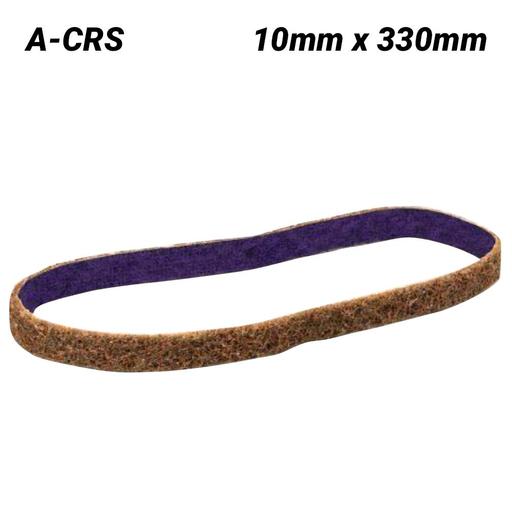
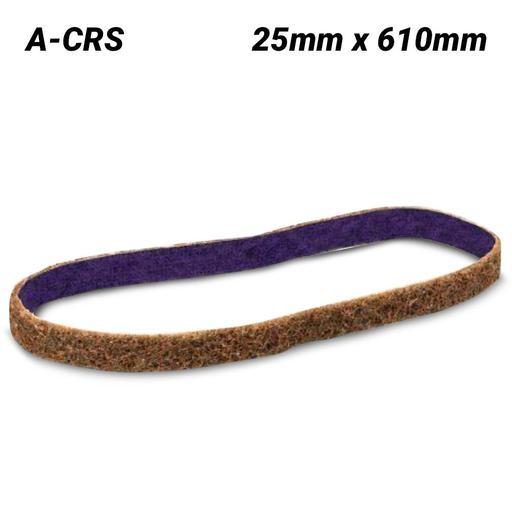
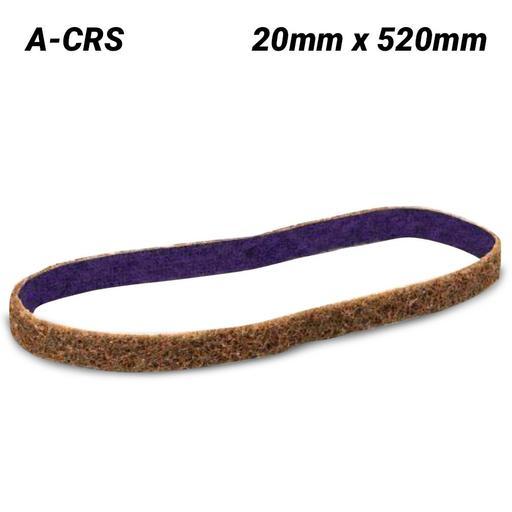
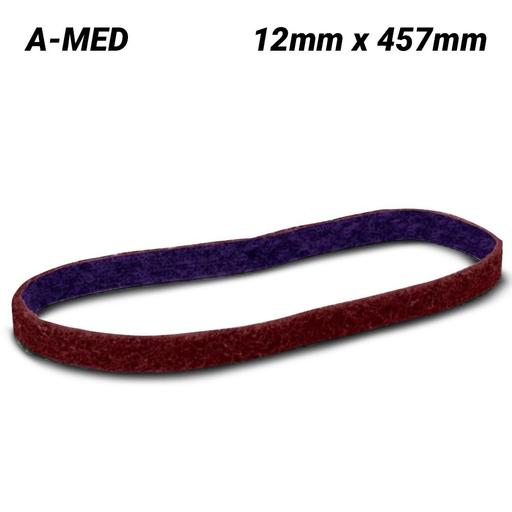
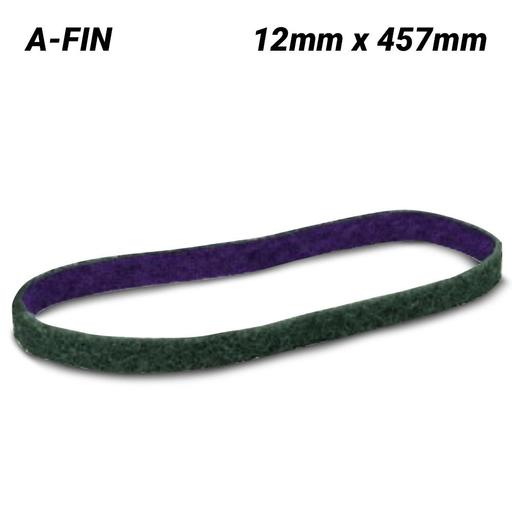
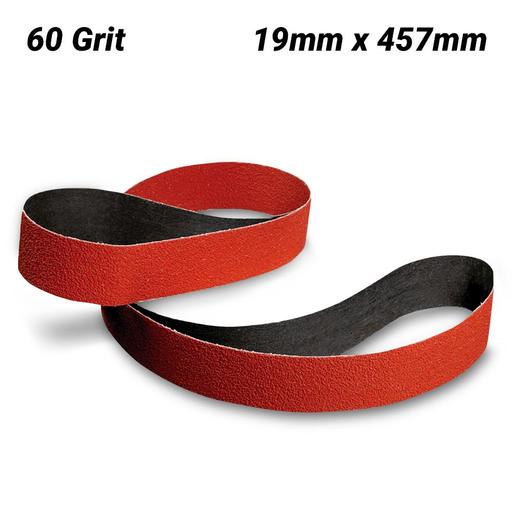
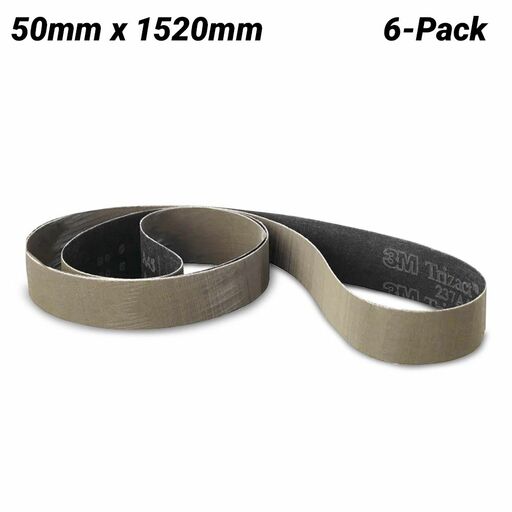
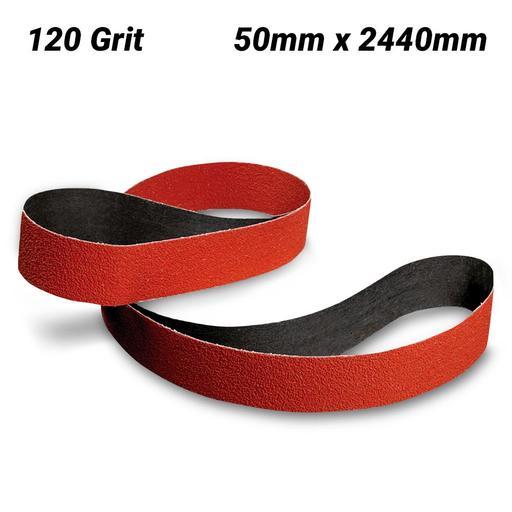
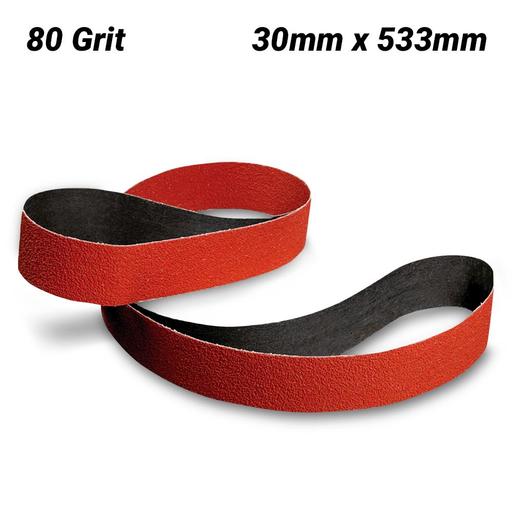
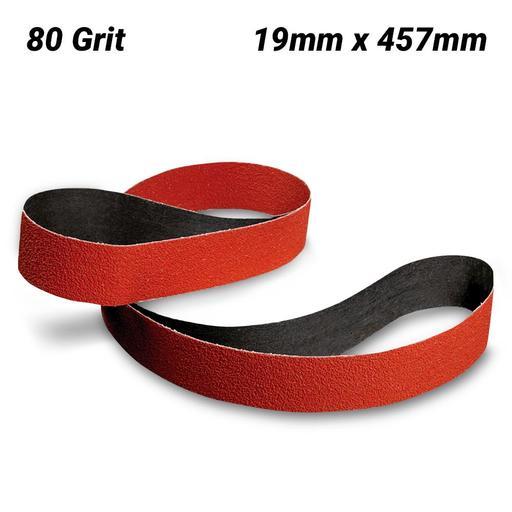
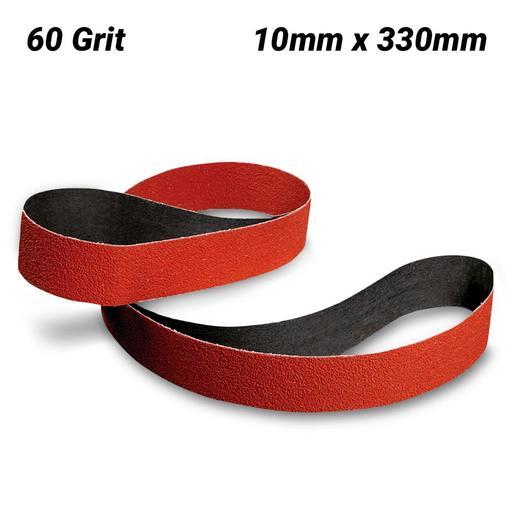
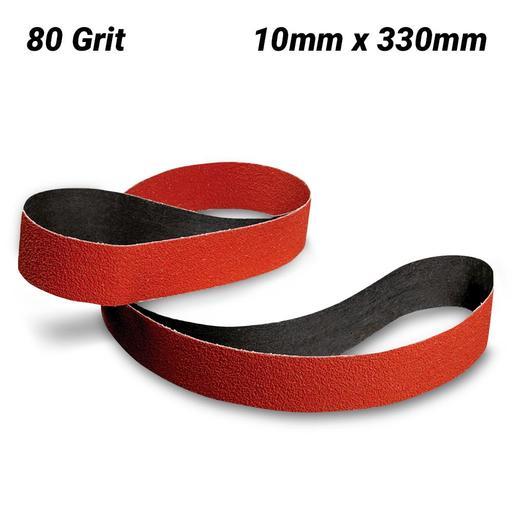
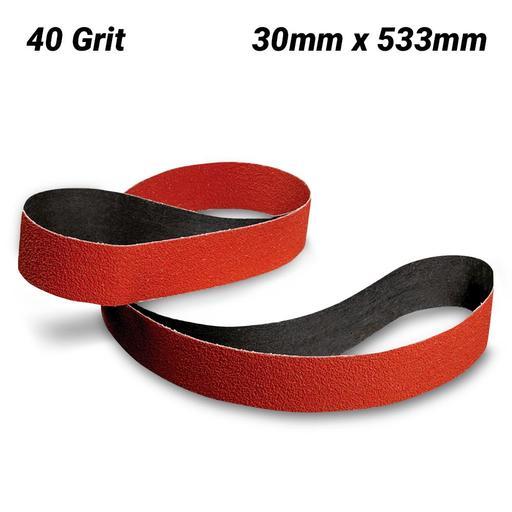
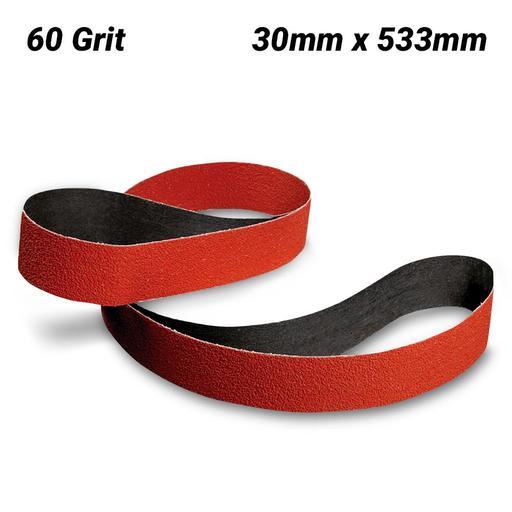
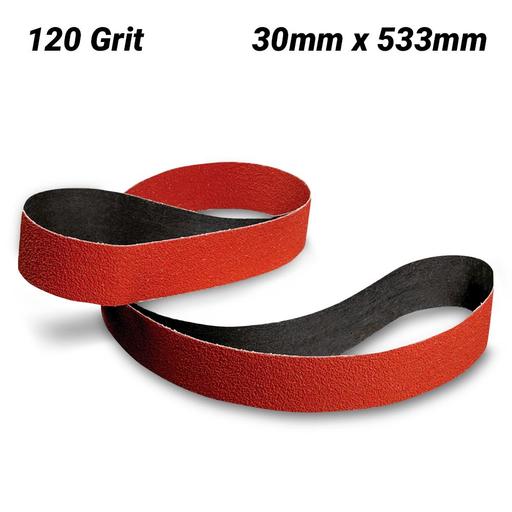
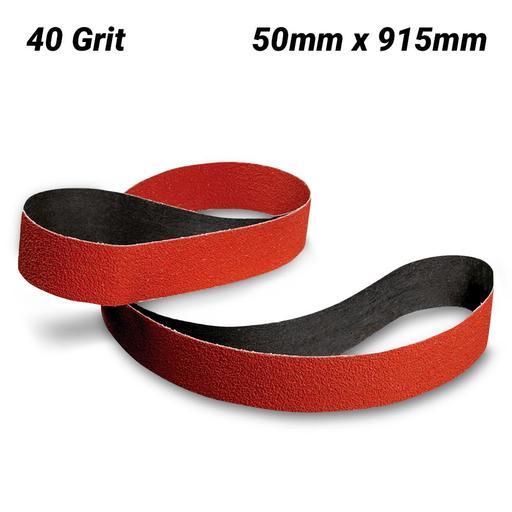
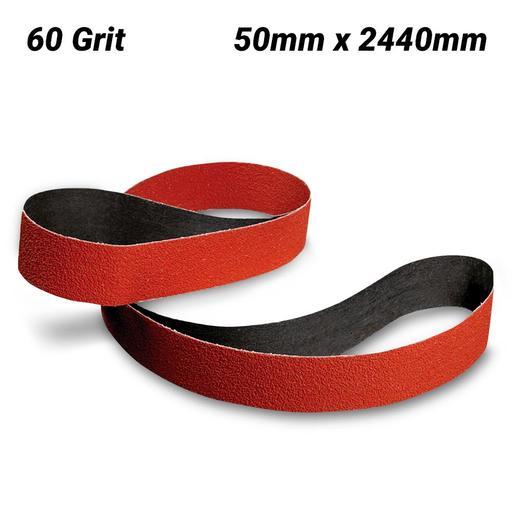
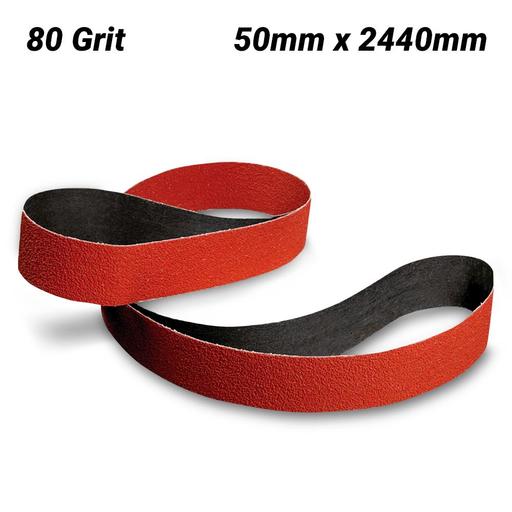
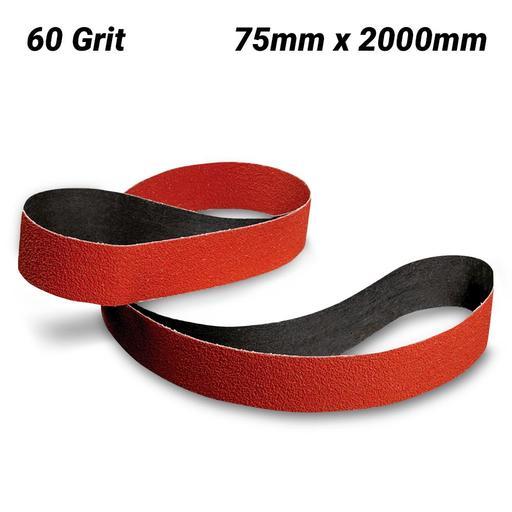
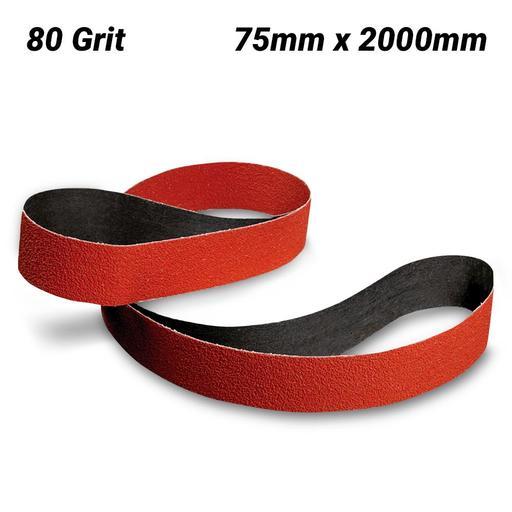
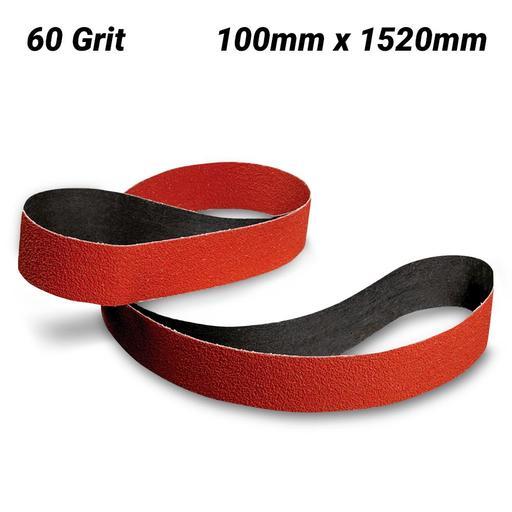
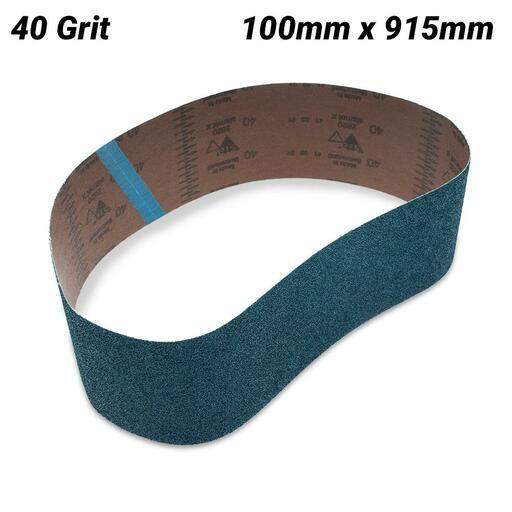
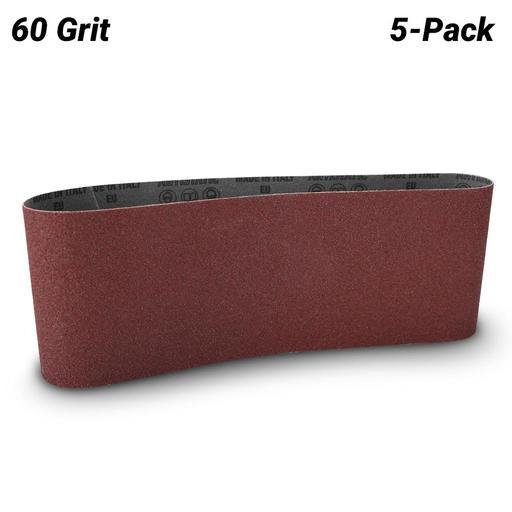
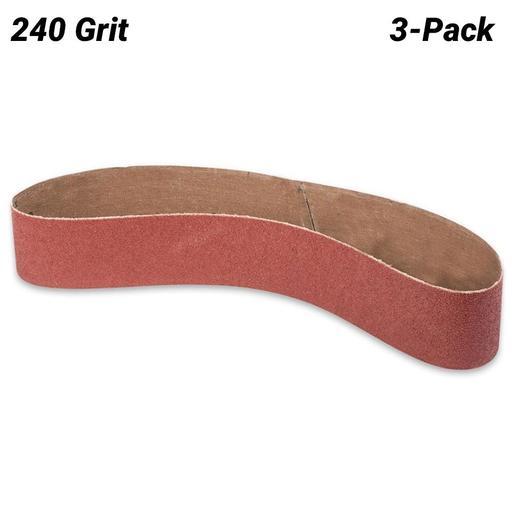
Are you looking to remove wood material quickly and efficiently? Rest assured that our sanding belts are an ideal option to support any woodworking task. Manufactured by reputable brands such as 3M and Makita, all sanding belts at Sydney Tools are made of high quality materials to withstand the test of time. Our sanding belts are also designed to be versatile to provide you the ease of pairing them with a range of different tools.

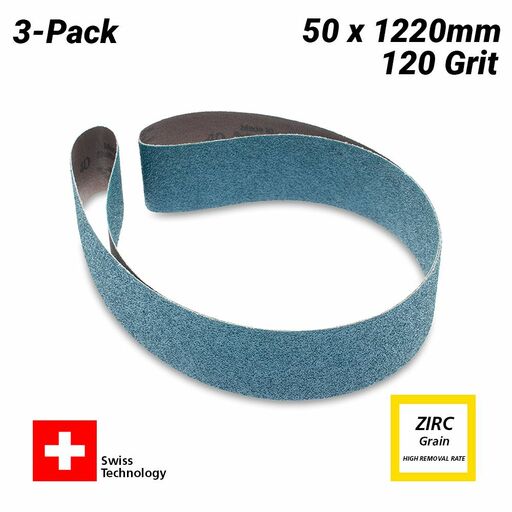
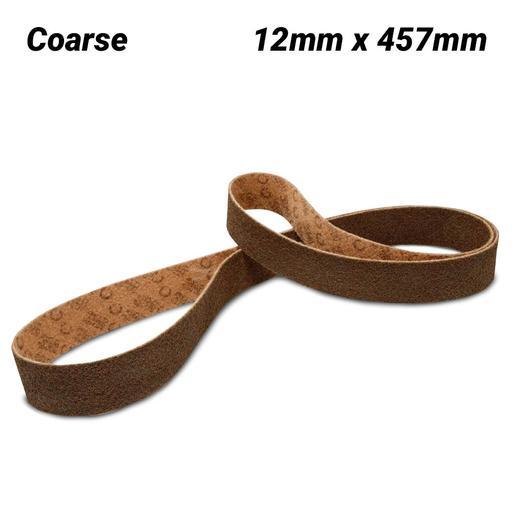
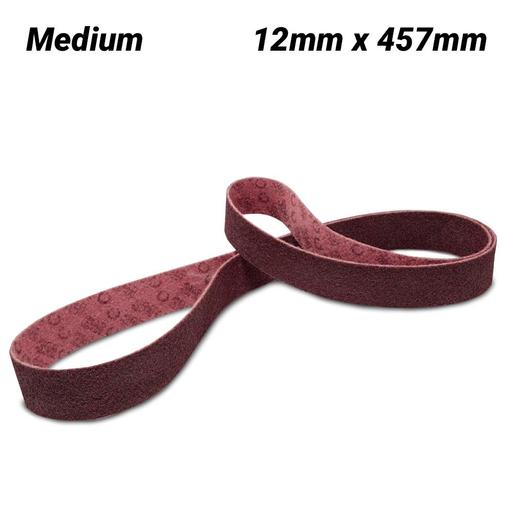
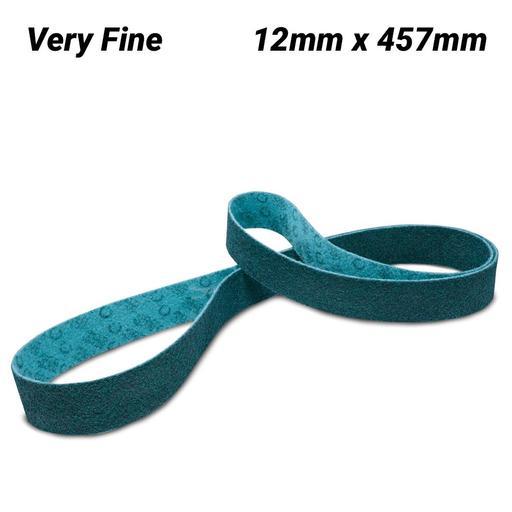


























Why Are Sanding Belts an Efficient Abrasive Tool?
Typically driven by a motor, sanding belts are a power tool made from a flexible material similar to rubber with a sandpaper-like finish. These convenient features allow the belt to easily adapt to irregular surfaces and contours, making them an essential element in woodworking and an effective handheld power tool for leveling and smoothing rough surfaces.
While there are other ways to remove wood, people often opt for sanding belts as they produce successful results with the least effort. Sanding belts also give you more control over what you're sanding, and they can be used on any kind of wood surface, including natural surfaces and finished surfaces.
Don’t hesitate to explore our wide selection of abrasives and discover more tools that can cut, grind, or polish your material efficiently!
Choosing the Right Sanding Belt Size
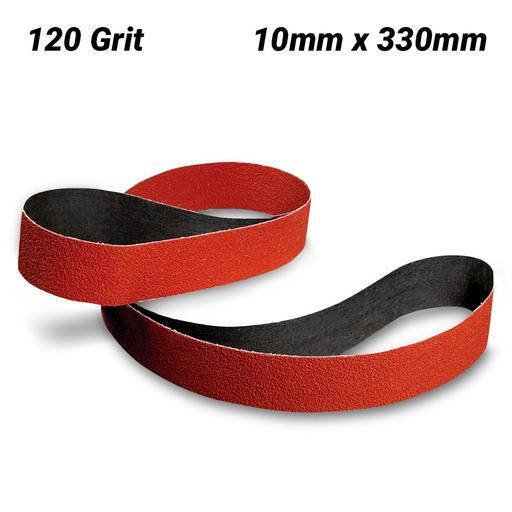
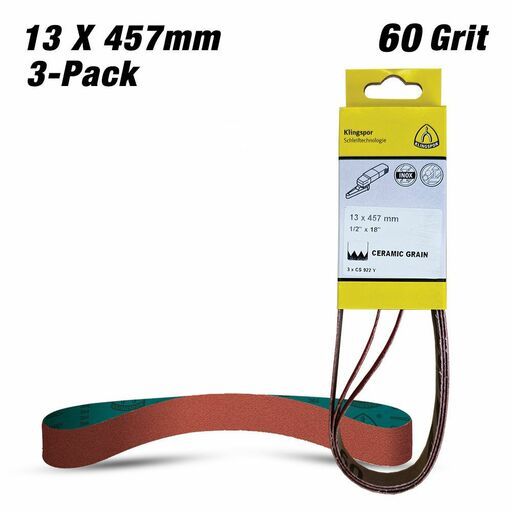
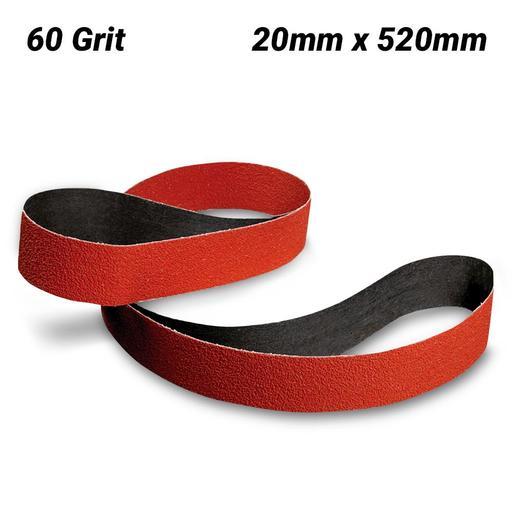
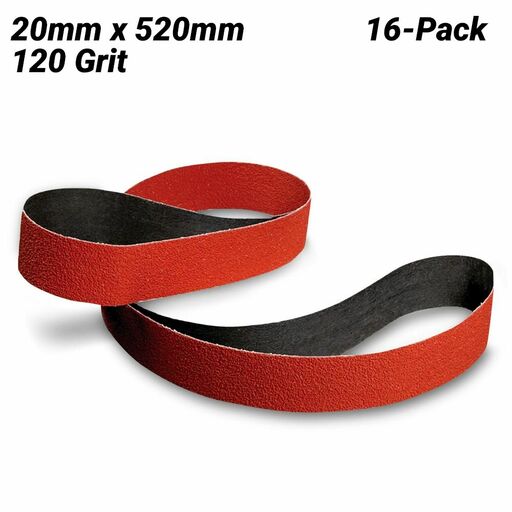
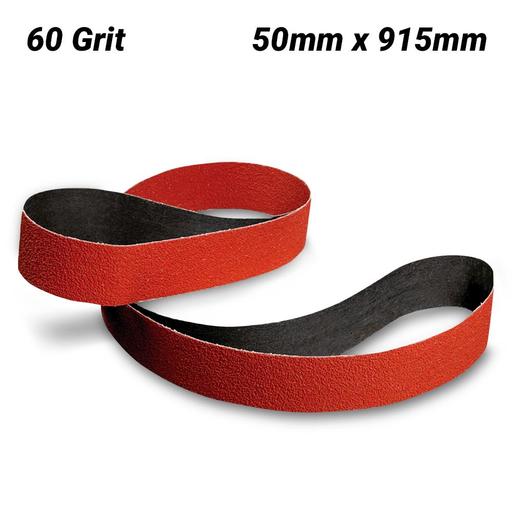
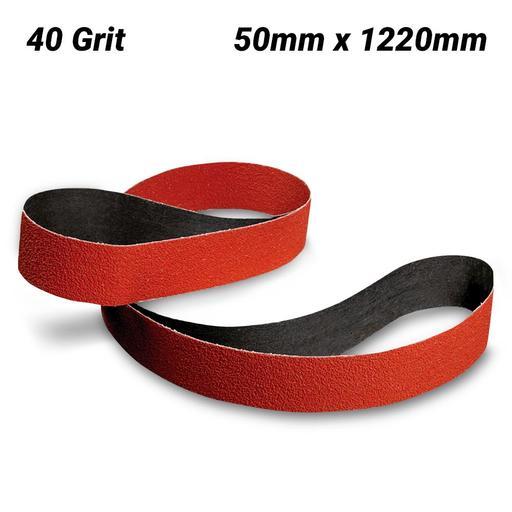
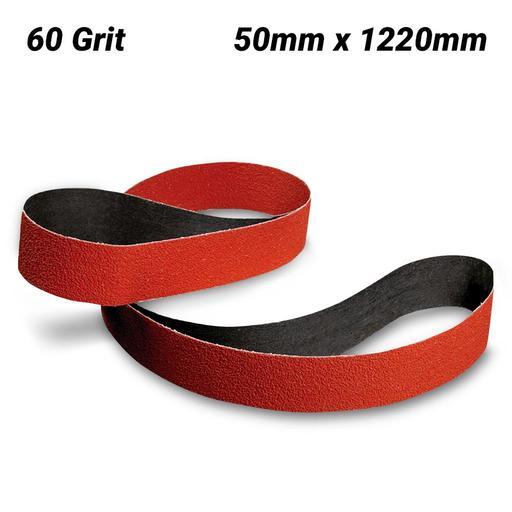
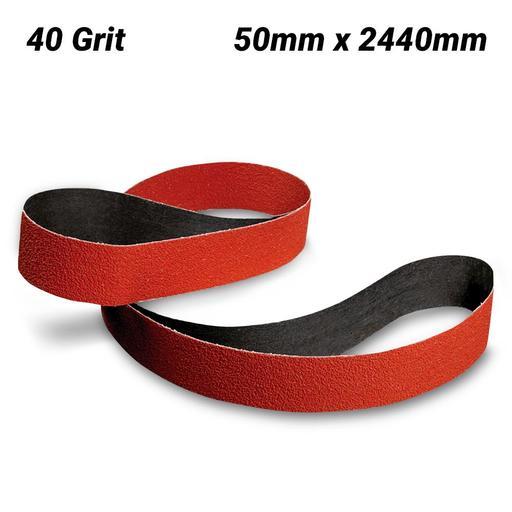
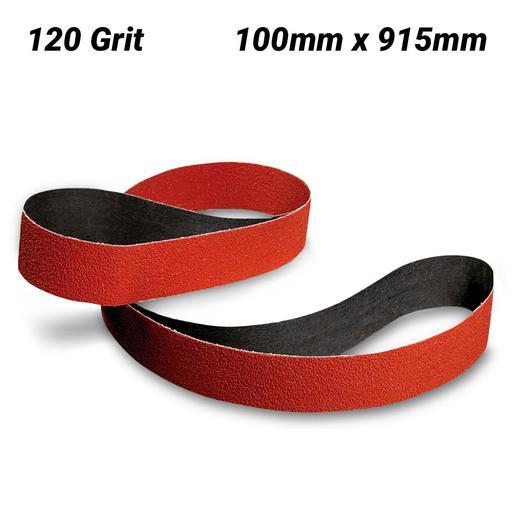
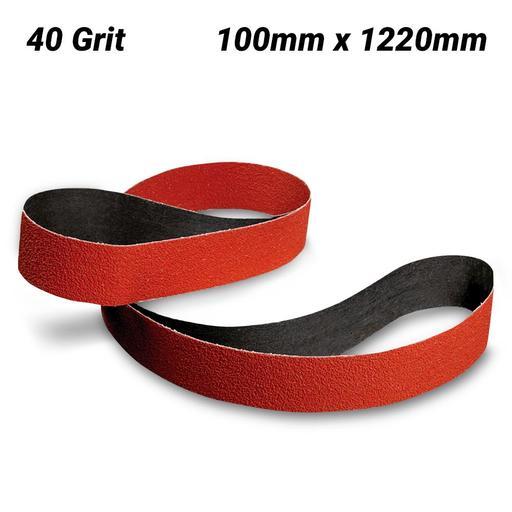
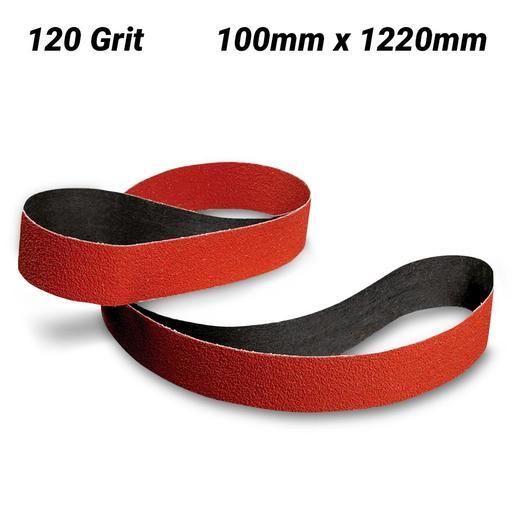
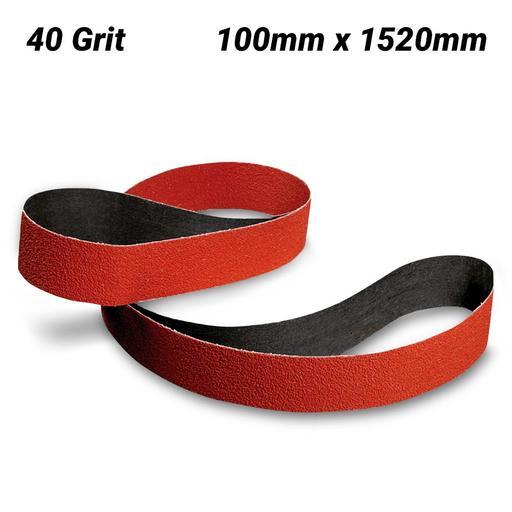
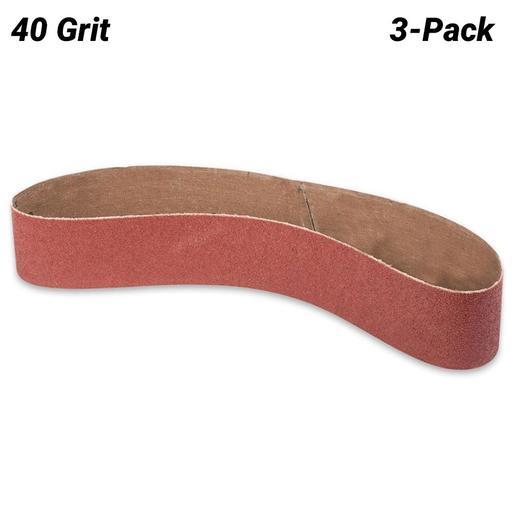
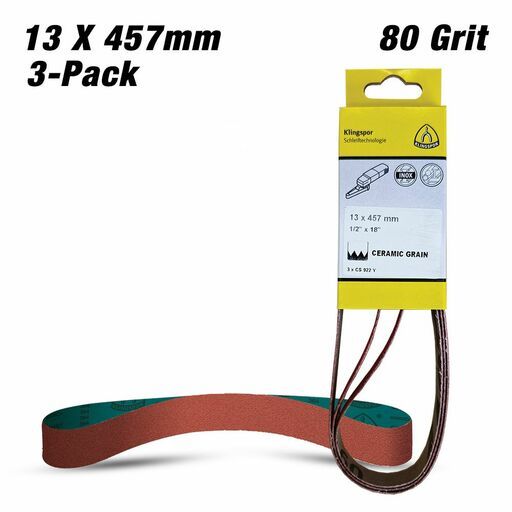
Sanding belts come in a variety of widths and grit sizes, and choosing the right fit for your project is dependent on the type of task at your hands. Heavy jobs typically require coarser sanding belts, so you can opt for belts with 40 to 60 grits. Meanwhile, sanding belts with 80 to 120 grits would be suitable for minor tasks such as smoothing surfaces or removing blemishes. When you’re finishing surfaces at the end of a job, a sandpaper with 350 to 600 grit is the best choice for you.
FAQ
What should I consider when buying a sanding belt?
When purchasing a sanding belt, consider how heavy you’ll need it to be, as well as the types of materials it will be used to sand. To make the most out of your sanding belt, you may also want to factor in the motor capacity as well as the size and speed of the belt.
What are the different types of sanding belt grains?
- Aluminum Oxide: The most efficient belt for woodworking.
- Zirconia Alumina: Popular for grinding and preparing metal.
- Ceramic Grit: Well suited for finishing different types of metal.
- Silicon Carbide: A good option for bright cut as well as stone polishing tasks.
How do I measure a sanding belt?
To measure the width of your belt, you can start by laying the belt down as flat as possible, then measuring it from one end to the other. Double the size that you’ve gotten from your measurement tape to conclude the final width size.
To measure the length of your belt, you may cut the belt in half, directly down the middle or along the tape joint. After doing so, you should lay the sheet out and measure from the bottom end of the right side directly across to the left side.


