
Login
Login
- Popular Categories
- Shop By Brand
- Tool Accessories
- Air Compressor
- Hand Tools
- Laser Levels
- Mechanical Workshop
- Pressure Washers
- Welding
- Chainsaws
- Lawn Mowers
- Whipper Snippers
- Categories
- Adhesives & Sealants
- Air Tools
- Diamond Tools
- Fans
- Fasteners
- Generators
- Ladders
- Lubricants & Chemicals
- Power Garden
- Safety Equipment
- Scaffold
- Silica Dust Solutions
- Storage
- Test - Measure - Locate
- Transportation & Lifting
- Vacuum & Dust Extractors
- Water Pumps
Tool Accessories / Milwaukee Tool Accessories / Jigsaw Blades
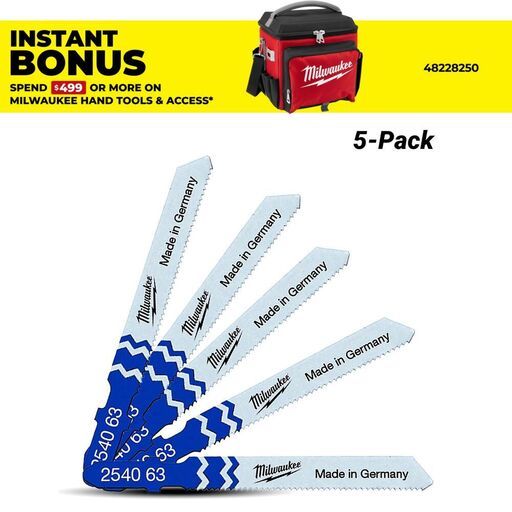
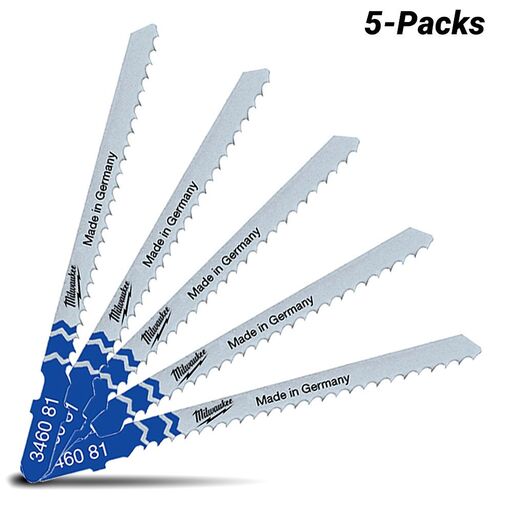
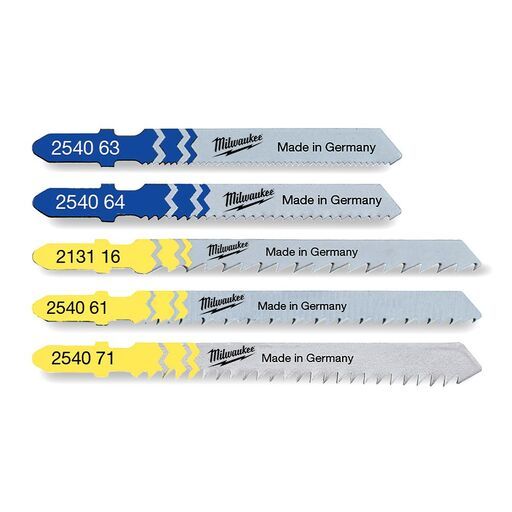
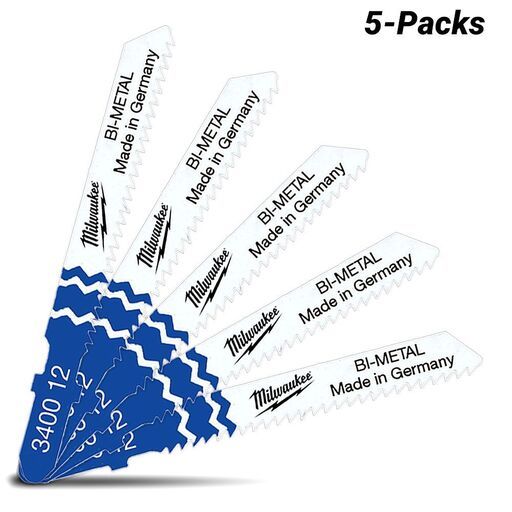
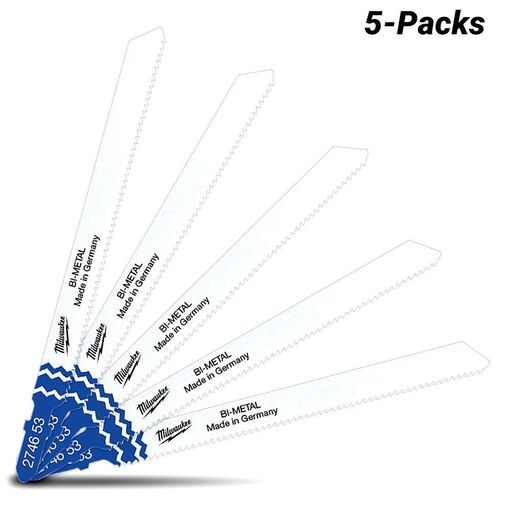
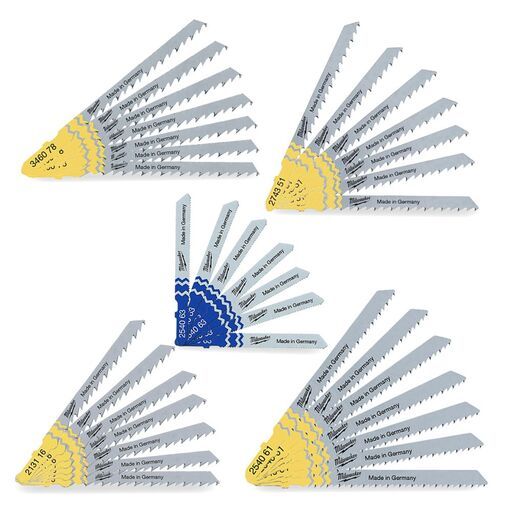
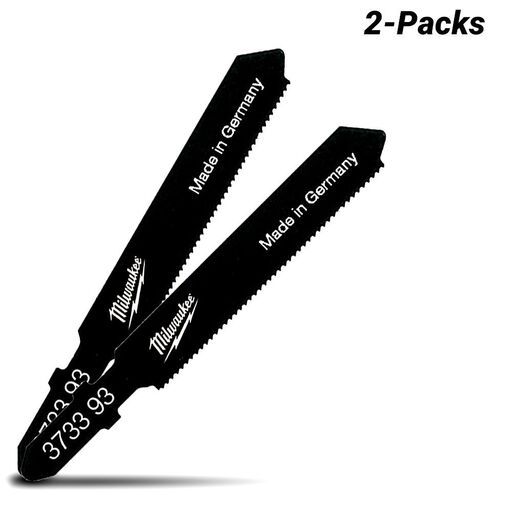
Jigsaw blades are an essential part of the jigsaw power tool that creates the cut. The type of blade you use makes a big difference to the finished product, some are made for straight cuts, others for curves, and each is designed for a specific material. Picking the right blade means a cleaner, faster, and more accurate result.



Benefits of Using the Correct Jigsaw Blade
Using the right blade allows you to make cleaner, more precise cuts, faster cutting, longer blade life, less chance of damaging your material, and improved project quality.
Types of Jigsaw Blades
There are blades made for wood, metal, plastic, laminate, and ceramic tile. Wood blades usually have larger teeth and are often made from high carbon steel. Metal blades tend to be high-speed steel or bi-metal, with finer teeth for a smoother cut. Carbide-tipped blades are tough and great for tile or harder materials. Each type is built for a specific job.
Key Features to Consider
Match the blade shank to the jigsaw's blade holder T-shank or U-shank to make sure it fits your jigsaw. Look at the teeth per inch (TPI) for the type of cut you want, the blade length for how deep it can cut, and what material it’s designed for.
Understanding Teeth Per Inch (TPI): Lower TPI allows for faster, rough cuts through thick material. Higher TPI allows for slower, smoother cuts through thin or more delicate materials.
Shank Types (T-Shank vs. U-Shank): T-shank blades are the most common and fit most jigsaws without the need for tools. U-shank (universal shank) blades have a rounded end and are most commonly used in older jigsaw models. Make sure to always match the blade to your jigsaw’s blade holder.
Applications of Different Jigsaw Blades: Use wood blades for curves or fast cuts, metal blades for straight cuts in sheet metal, fine-tooth plastic blades for detailed designs, and laminate blades for clean edges in flooring. Tile blades are best for hard materials like ceramic.
Why Choose Sydney Tools for Jigsaw Blades
At Sydney Tools, you’ll find a wide selection of jigsaw blades to suit any task at hand, whether you’re cutting wood, metal, plastic or laminate. We stock trusted brands like Makita, Bosch, Lenox and DeWalt, with blades designed to fit most jigsaws on the market.
Frequently Asked Questions (FAQs)
What are the different jigsaw blades used for?
Each jigsaw blade is designed to be used with a specific material and perform a different cut.
What is the difference between a T-shank and a U-shank jigsaw blade?
Most modern jigsaws fit T-shank blades which allow for tool-free blade changes. U-shank blades require a hex key for changing.
What does TPI (teeth per inch) mean for jigsaw blades?
TPI refers to how many teeth per inch are on the blade. Lower TPI = faster, rougher cuts. Higher TPI = smoother, slower cuts.
Which type of jigsaw blade is best for cutting wood?
High-carbon steel (HCS) is the best blade for cutting wood.
Can I use the same blade for metal and plastic?
To get the best results it’s recommended that you use dedicated blades for different materials to avoid damaging the blade or your material.
How do I choose the right jigsaw blade for a smooth cut?
Choose a blade that has a high TPI which allows for smoother cuts, also make sure to choose a blade that’s designed for the material you’re working with.
What does bi-metal mean in relation to jigsaw blades?
Bi-metal blades combine high-speed steel teeth with a flexible body; they're ideal for cutting tougher material.
How long do jigsaw blades typically last?
This will depend on the material you’re cutting, generally blades made for wood will last several hours while metal blades wear faster. Always replace the blade once it’s dull.
What are some common applications of jigsaw blades?
Jigsaw blades are used for curved cutting of different materials such as wood, metal, PVC, laminate and tiles.
What brands of jigsaw blades does Sydney Tools stock?
Makita, Bosch, Lenox and DeWalt, are among the brands sold at Sydney Tools.


