
Login
Login
- Popular Categories
- Shop By Brand
- Tool Accessories
- Air Compressor
- Hand Tools
- Laser Levels
- Mechanical Workshop
- Pressure Washers
- Welding
- Chainsaws
- Lawn Mowers
- Whipper Snippers
- Categories
- Adhesives & Sealants
- Air Tools
- Diamond Tools
- Fans
- Fasteners
- Generators
- Ladders
- Lubricants & Chemicals
- Power Garden
- Safety Equipment
- Scaffold
- Silica Dust Solutions
- Storage
- Test - Measure - Locate
- Transportation & Lifting
- Vacuum & Dust Extractors
- Water Pumps
Tool Accessories / Milwaukee Tool Accessories / Hole Saws
Hole Saws: Precision Cutting for Various Applications
Hole saws, also known as hole cutters, are essential tools designed to create clean, round holes in a variety of materials. They consist of a cylindrical saw blade with a toothed edge, attached to a mandrel, and are commonly used in woodworking, metalworking, and construction.
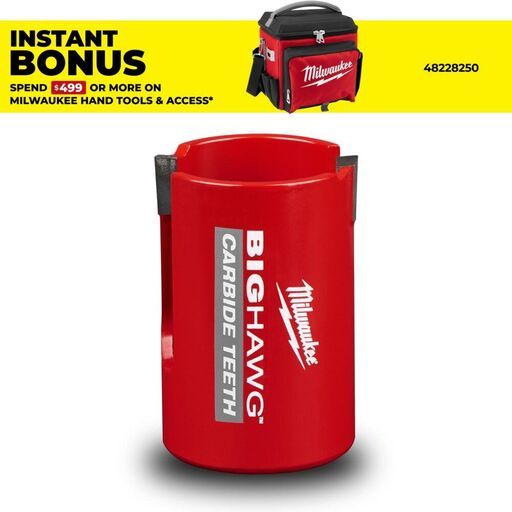

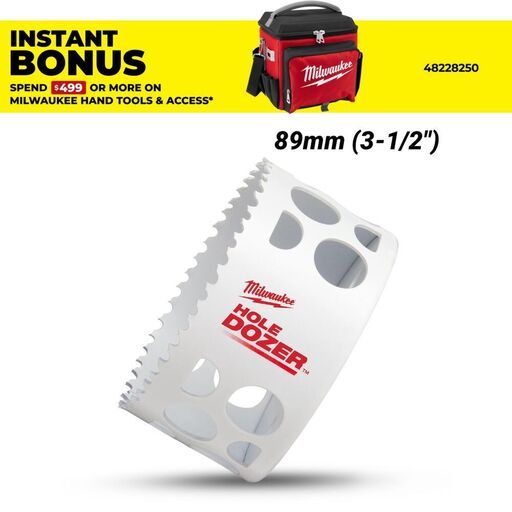
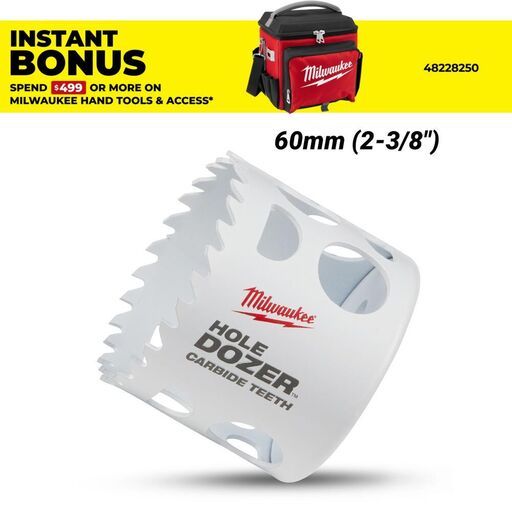
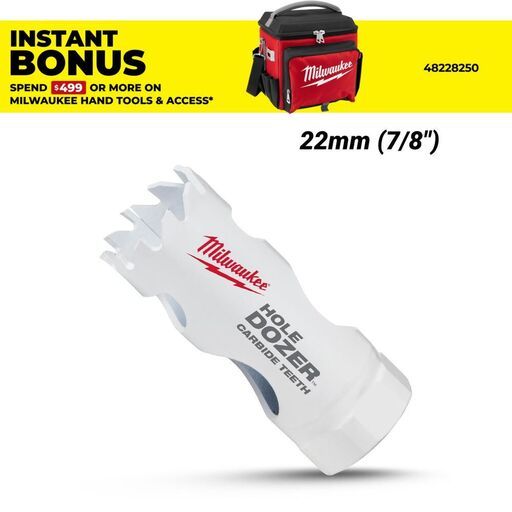

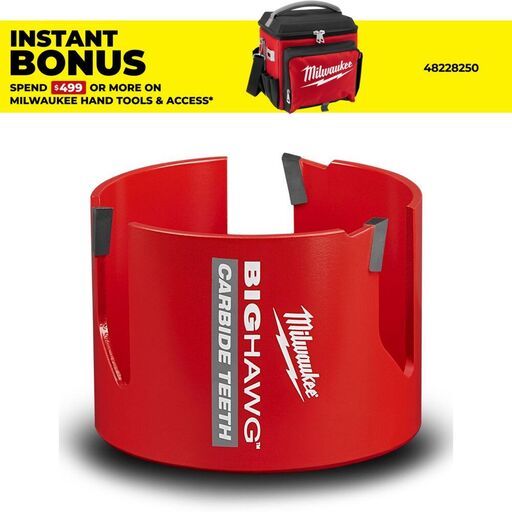
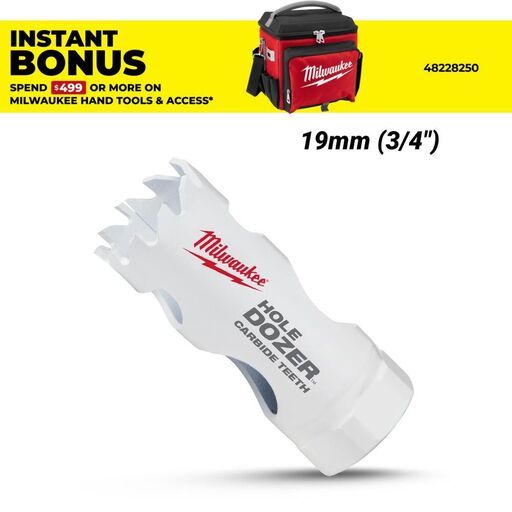

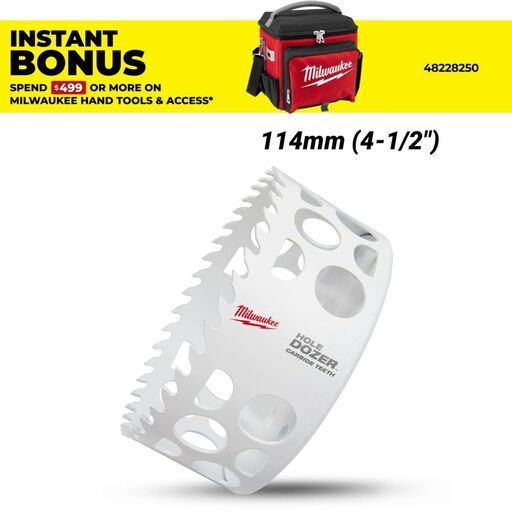
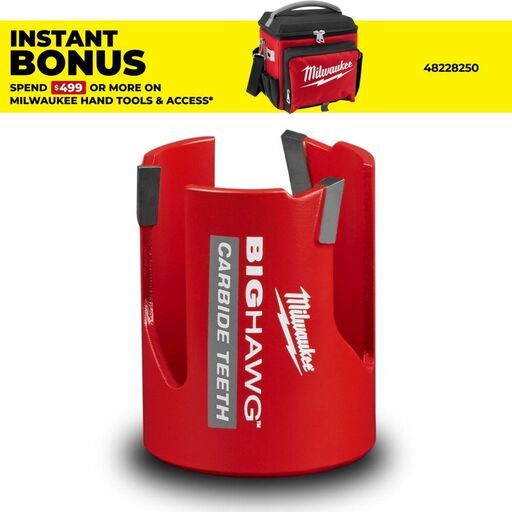

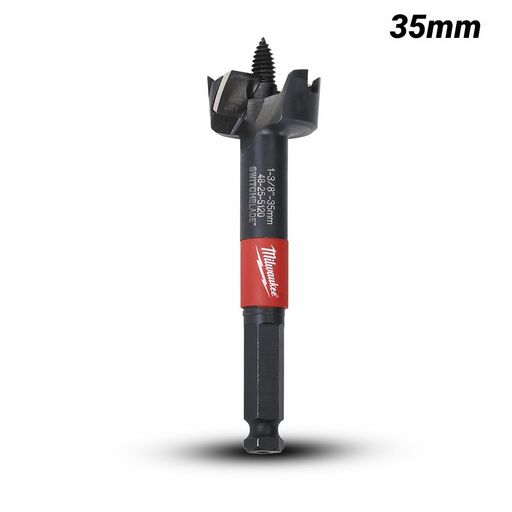
Types of Hole Saws:
- Bi-Metal Hole Saws: Combining high-speed steel teeth with a carbon steel back, bi-metal hole saws offer durability and flexibility, making them suitable for cutting wood, metal, and plastic.
- Carbide-Tipped Hole Saws: Featuring carbide teeth, these saws are designed for cutting hard materials such as nail-embedded wood, fibreglass, and masonry.
- Diamond Grit Hole Saws: Equipped with diamond-coated edges, these are ideal for cutting through tile, stone, glass, and other hard, brittle materials.
Applications:
Hole saws are versatile and can be used for various tasks, including:
- Installing door hardware
- Cutting holes for wiring and plumbing
- Creating holes in cabinetry or furniture
- Making openings in drywall
Safety Tips:
- Use Appropriate Speed Settings: Adjust your drill's speed according to the material and size of the hole saw to prevent overheating and ensure a clean cut.
- Secure the Workpiece: Clamp or secure the material being drilled to prevent movement, which can lead to inaccurate cuts or accidents.
- Wear Protective Gear: Always wear safety glasses, hearing protection, and gloves when operating hole saws to protect against debris and potential kickback.
- Clear Debris Regularly: Periodically remove the core plug from the hole saw to prevent binding and ensure efficient cutting.
Frequently Asked Questions (FAQs) about Hole Saws:
What materials can hole saws cut through?
Hole saws are versatile tools capable of cutting through various materials, including wood, plastic, metal, tile, and masonry. The type of hole saw and its teeth material should be selected based on the material you intend to cut.
How do I prevent tear-out when drilling with a hole saw?
To minimise tear-out:
- Use a Backing Board: Clamp a sacrificial piece of wood beneath the workpiece to support the fibres and prevent splintering.
- Drill from Both Sides: Start drilling from one side until the pilot bit emerges, then flip the workpiece and drill from the other side to meet the initial cut.
- Apply Painter's Tape: Adhere painter's tape over the drilling area to reduce friction and prevent tear-out.
What is the purpose of the pilot drill bit in a hole saw?
The pilot drill bit, often referred to as the arbour serves to centre the hole saw on the workpiece and guide it during the drilling process. It helps prevent the hole saw from wandering and ensures accurate hole placement.
How do I remove the core plug from the hole saw after drilling?
After drilling, the core plug (the material removed) may be lodged inside the hole saw. To extract it:
- Tap the Arbor: Gently tap the arbour handle against a solid surface to dislodge the plug.
- Use a Drift Punch: Insert a drift punch or similar tool through the arbour and tap it to push the plug out.
- Apply Lubrication: For difficult-to-remove plugs, applying a small amount of lubricant around the edge before drilling can facilitate easier removal.
Can I use a hole saw without an arbour?
While it's technically possible to use a hole saw without an arbour, it's not recommended. The arbour provides stability and ensures the hole saw remains centred during drilling, leading to more accurate and cleaner cuts.
How do I choose the right hole saw size for my project?
Select a hole saw that matches the desired diameter of the hole you intend to cut. Consider the material's thickness and the hole's depth; for deeper cuts, ensure the hole saw's depth is sufficient. Using adjustable hole saws can offer flexibility for various hole sizes.
Are hole saw arbours universal?
Many hole saw arbours are designed to be compatible with various brands of hole saws. However, it's essential to verify compatibility by checking the arbour's specifications and the hole saw's requirements before use.
How can I extend the lifespan of my hole saws?
To prolong the life of your hole saws:
- Use Appropriate Speed Settings: Operate your drill at speeds recommended for the material and hole saw size to prevent overheating.
- Apply Lubrication: Use cutting fluid or lubricant when drilling metal or other tough materials to reduce friction and heat buildup.
- Clean After Use: Remove any debris or material remnants from the hole saw after each use to prevent buildup that can affect performance.
For a comprehensive selection of hole saws tailored to various applications, visit Sydney Tools in-store or explore our online range.


